
Cosmetic injectables offer a convenient way to soften signs of aging without surgery or an extended recovery period. Two of the most popular options are BOTOX and dermal fillers, but these treatments work in very different ways. BOTOX primarily addresses wrinkles caused by repeated facial expressions, while fillers restore volume or enhance facial contours. Understanding the difference between BOTOX vs. fillers can help you set realistic expectations and discuss the right treatment with a qualified provider. In some cases, one treatment is appropriate, while other patients may benefit from a carefully planned combination.
What Is BOTOX?
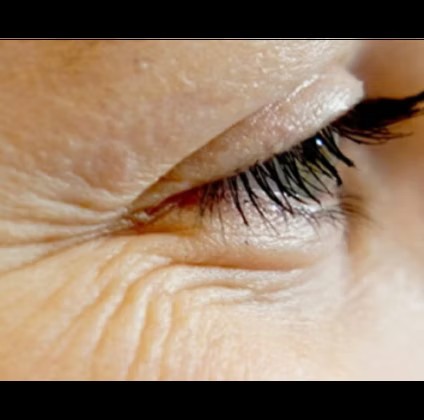
BOTOX Cosmetic is a brand of botulinum toxin type A, a medication injected into specific facial muscles. It temporarily reduces the nerve signals that cause those muscles to contract, allowing expression lines to appear smoother. BOTOX is commonly used for forehead lines, frown lines between the eyebrows, and crow’s feet around the eyes. It does not fill wrinkles or add volume beneath the skin. Instead, it works by relaxing the muscle activity responsible for creating certain lines.
The effects of BOTOX are temporary and generally last approximately three to four months, although individual results can vary. Patients may begin noticing changes within several days, with the full effect developing afterward. The procedure is usually brief and requires little downtime, so many people return to normal activities soon after treatment. Temporary redness, tenderness, swelling, bruising, or headache may occur. Less common complications can include eyelid or eyebrow drooping, facial asymmetry, or unintended muscle weakness.
What Are Dermal Fillers?
Dermal fillers are injectable substances placed beneath the skin to create a smoother, fuller, or more contoured appearance. Many commonly used fillers contain hyaluronic acid, a substance that naturally occurs in the body and helps the skin retain moisture. Other filler materials may be designed to provide structural support or encourage collagen production. Fillers can restore volume to the cheeks, soften deep folds, enhance the lips, improve chin definition, and address certain facial hollows. Unlike BOTOX, fillers generally do not work by limiting muscle movement.
Many fillers create a visible improvement immediately, although swelling can temporarily affect the initial appearance. Results may last from several months to more than a year, depending on the product, treatment area, amount injected, and individual metabolism. Common temporary side effects include swelling, bruising, redness, tenderness, itching, and firmness near the injection sites. Lumps, infection, allergic reactions, and delayed inflammation are also possible. A rare but serious complication can occur if filler enters or compresses a blood vessel, potentially causing tissue injury, vision problems, blindness, or stroke.
The Main Difference Between BOTOX and Fillers
The central difference in the BOTOX vs. fillers comparison is the source of the concern being treated. BOTOX is generally intended for dynamic wrinkles, which develop because of repeated muscle movements such as smiling, squinting, or frowning. Fillers are typically used for concerns related to volume loss, deeper folds, facial hollows, or areas that would benefit from additional definition. One treatment relaxes selected muscles, while the other places material beneath the skin. Choosing between them begins with determining whether movement, lost volume, facial structure, or a combination of factors is creating the unwanted appearance.
Common BOTOX treatment areas include:
- Horizontal forehead lines
- Frown lines between the eyebrows
- Crow’s feet around the eyes
- Certain chin dimples or neck bands
- Other expression-related lines recommended by a provider
Common filler treatment areas include:
- Cheeks that have lost fullness
- Lips that need volume or definition
- Nasolabial folds around the nose and mouth
- Marionette lines near the corners of the mouth
- Chin, jawline, or facial contour concerns
- Certain hollows or depressed scars
Comparing Results, Longevity, and Downtime
Both treatments can be performed during relatively short office visits, but their timelines are not identical. Filler results are often noticeable immediately, while BOTOX typically takes several days to begin relaxing the targeted muscles. Swelling and bruising may occur with either option, although filler injections may create more noticeable swelling in areas such as the lips. Most patients can return to ordinary activities quickly, but providers may recommend temporary restrictions based on the product and treatment area. Patients should follow their injector’s instructions rather than relying on generic aftercare advice.
BOTOX results typically require maintenance every few months, while some fillers can remain noticeable for considerably longer. Longevity depends on the type of filler, its placement, the patient’s metabolism, facial movement, and the amount used. Areas with frequent motion, such as the lips, may lose filler effects sooner than areas with less movement. Treatment costs also vary according to the provider, location, number of units, product selection, and number of syringes required. A consultation should include a discussion of both the initial expense and the likely long-term maintenance schedule.
Which Treatment Is Right for Your Concern?
BOTOX may be more suitable when wrinkles appear or become more noticeable during facial expressions. For example, forehead creases that deepen when you raise your eyebrows are often associated with muscle movement. Fillers may be more appropriate when the concern remains visible while the face is resting and is caused by lost volume or reduced structural support. Thin lips, flattened cheeks, deep folds, and a recessed chin are examples of concerns that may respond to filler. However, an in-person assessment is necessary because facial aging usually involves several overlapping changes.
You may be a potential candidate for BOTOX when you:
- Want to soften expression-related wrinkles
- Prefer a temporary, nonsurgical treatment
- Understand that maintenance appointments will be needed
- Have realistic expectations about the degree of improvement
- Have no medical contraindications identified by your provider
You may be a potential candidate for fillers when you:
- Want to restore facial volume
- Would like to enhance the lips, cheeks, chin, or jawline
- Want to soften folds that remain visible at rest
- Understand the product’s benefits, limitations, and risks
- Are willing to follow appropriate treatment and aftercare guidance
Can BOTOX and Fillers Be Used Together?
BOTOX and fillers are sometimes used together because they address different components of facial aging. A patient might receive BOTOX for frown lines and filler for reduced cheek volume during the same overall treatment plan. This approach is sometimes called a combination treatment, although the products do not need to be administered during the same appointment. Using multiple treatments does not automatically create a better result, and additional injections may increase cost, swelling, bruising, or other risks. The safest plan is generally the most conservative option that can reasonably address the patient’s goals.
A qualified injector should evaluate the entire face rather than treating each line or feature in isolation. Changes to one area can affect the perceived proportions of surrounding features. The provider should explain which concerns are caused by muscle movement, which involve volume loss, and which may not respond well to injectables. Patients should also understand that neither BOTOX nor fillers can reproduce the effects of surgery or completely stop the aging process. Natural-looking results usually depend on appropriate product selection, precise placement, conservative dosing, and realistic expectations.
Frequently Asked Questions
Is BOTOX the same as filler?
No. BOTOX temporarily reduces selected muscle activity, while fillers add volume or structural support beneath the skin.
Which lasts longer, BOTOX or fillers?
Fillers often last longer, but the duration varies significantly by product and treatment area. BOTOX commonly lasts about three to four months.
Do BOTOX and filler injections hurt?
Most patients describe brief pinching, pressure, or stinging. Providers may use topical numbing products, ice, or fillers containing a local anesthetic to improve comfort.
Can fillers be removed?
Some hyaluronic acid fillers can be dissolved with an injectable enzyme. Other filler materials may not be easily reversible, so patients should ask which product will be used before treatment.
At what age should someone start cosmetic injectables?
There is no single correct age. Treatment should be based on the patient’s anatomy, concerns, medical history, goals, and suitability rather than a specific birthday.
Can BOTOX or fillers look natural?
Yes, subtle results are possible when injections are carefully planned and conservatively performed. Overcorrection, inappropriate placement, or poor technique can produce an unnatural appearance.
Are cosmetic injectables safe during pregnancy?
Cosmetic injectable treatments are generally postponed during pregnancy and often while breastfeeding because safety information may be limited. Patients should discuss their circumstances with their healthcare professionals.
How do I know whether I need BOTOX or filler?
Wrinkles caused by facial movement may respond to BOTOX, while lost volume or structural concerns may respond to filler. A qualified medical provider can determine the source of the concern through an examination.
Choose a Qualified Medical Provider
BOTOX and dermal filler injections are medical procedures, even when they are performed for cosmetic reasons. The skill, anatomical knowledge, judgment, and emergency preparedness of the injector can significantly influence both safety and results. The American Academy of Dermatology recommends seeking an appropriately trained medical professional rather than receiving injections at a party, salon, home, or nonmedical setting. Patients should verify the provider’s credentials, ask how frequently they perform the procedure, and confirm that approved products are obtained from legitimate sources.
During the consultation, disclose medications, supplements, allergies, previous procedures, medical conditions, pregnancy status, and any history of cold sores or unusual reactions. Ask what product will be used, whether the proposed use is FDA approved or off-label, what side effects are possible, and how complications would be handled. Before-and-after photographs can help communicate preferences, but they should not be treated as guarantees. When weighing BOTOX vs. fillers, the right answer depends on your anatomy, treatment goals, risk tolerance, budget, and willingness to maintain the results. A thoughtful consultation with a qualified medical professional is the best way to create a safe and individualized plan.