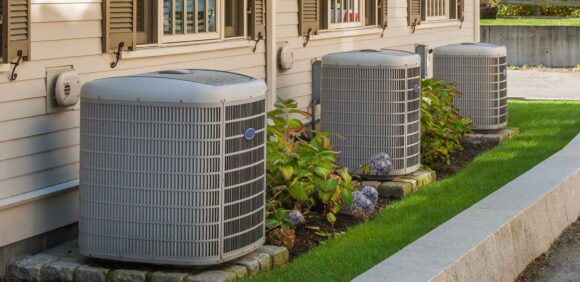
Installing a new air conditioner is one of the most important comfort upgrades a homeowner can make, but the price can vary widely. On average, air conditioner installation cost often ranges from about $5,000 to $12,000 for a central AC system, with many homeowners landing near the middle depending on system size, efficiency, labor, and home layout. Some basic replacement projects may cost less, while complex installations with ductwork, electrical upgrades, or premium equipment can cost significantly more. Recent 2026 cost guides place typical central AC installation ranges between roughly $4,500 and $12,000, though high-end systems can exceed that. Understanding what drives the price can help you compare quotes more confidently and avoid paying for features you do not need.
Average Air Conditioner Installation Cost
For a standard central air conditioning installation, most homeowners should expect a total installed cost between $5,000 and $12,000. This usually includes the outdoor condenser, indoor evaporator coil, refrigerant lines, thermostat connection, basic materials, and professional labor. If you are replacing an existing central AC system and your ductwork is in good condition, your project may stay closer to the lower or middle part of the range. If you are adding central air for the first time, replacing ductwork, or choosing a high-efficiency variable-speed unit, the total can climb quickly. Some manufacturer and industry cost guides show installed residential central air prices extending well above $20,000 for larger homes, advanced systems, and more complicated jobs.
Cost by Type of Air Conditioner
The type of cooling system you choose has a major impact on your final price. Central air conditioning is typically the most common whole-home option, but ductless mini-splits, window units, and portable units can make sense in certain situations. Ductless systems are often useful for room additions, older homes without ductwork, garages, guest suites, or homes where zoning is a priority. Window and portable units cost much less upfront, but they are usually designed for single-room cooling rather than whole-home comfort. When comparing options, look beyond the initial price and consider comfort, energy use, noise, lifespan, and whether the system fits your long-term plans.
Common installation categories include:
- Central air conditioning: Best for whole-home cooling when ductwork already exists
- Ductless mini-split: Best for zoned cooling or homes without ducts
- Window AC unit: Best for low-cost single-room cooling
- Portable AC unit: Best for temporary or flexible cooling needs
- Heat pump system: Best for homes that want both heating and cooling from one system
What Affects Air Conditioner Installation Cost?
Several factors can raise or lower your installation estimate. System size is one of the biggest cost drivers because larger homes usually require more cooling capacity. Efficiency also matters, since higher SEER2-rated equipment often costs more upfront but may lower monthly energy bills. Labor rates vary by region, season, contractor experience, and installation complexity. Your home’s existing ductwork, electrical panel, insulation, and layout can also affect the final quote. This is why two homes of the same square footage can receive very different AC installation estimates.
The biggest cost factors usually include:
- System size and cooling capacity
- Energy efficiency rating
- Brand and equipment tier
- Local labor costs
- Ductwork condition
- Electrical or permit requirements
- Thermostat and indoor air quality add-ons
- Removal of the old unit
- Installation timing and urgency
System Size and Home Square Footage
Air conditioner size is typically measured in tons, and one ton equals 12,000 BTUs of cooling capacity per hour. A smaller home may only need a 2-ton system, while a larger home may need a 4-ton or 5-ton system. However, square footage alone should not determine AC size. A professional contractor should perform a load calculation that considers insulation, windows, ceiling height, climate, sun exposure, air leaks, and home layout. Oversized systems can short cycle, waste energy, and fail to remove humidity properly. Undersized systems may run constantly and still struggle to keep the home comfortable.
Ductwork and Installation Complexity
Ductwork can be one of the highest hidden costs in an AC installation project. If your existing ducts are clean, sealed, and correctly sized, installation is usually more straightforward. If ducts are leaking, damaged, poorly designed, or missing entirely, your contractor may recommend repairs or replacement. New ductwork can add thousands of dollars to the project, especially in homes with tight attics, crawl spaces, finished basements, or difficult access points. Some recent HVAC cost discussions estimate ductwork repairs or additions can add several thousand dollars, depending on scope. Before accepting a quote, ask whether duct inspection, sealing, balancing, and airflow testing are included.
Efficiency Ratings and Long-Term Savings
A more efficient air conditioner usually costs more upfront, but it can reduce cooling costs over time. Modern systems are rated using SEER2, which measures seasonal cooling efficiency under updated testing standards. Higher-efficiency units may be especially valuable in hot climates, large homes, or households that run AC for much of the year. Variable-speed and two-stage systems can also improve comfort by running longer at lower speeds, reducing temperature swings, and helping with humidity control. The tradeoff is that advanced systems often have higher equipment and repair costs. A good contractor should help you compare the payback period instead of simply recommending the most expensive unit.
Labor, Permits, and Regional Pricing
Labor is a major part of air conditioner installation cost because proper installation requires training, tools, refrigerant handling, electrical work, and code compliance. Prices are often higher in regions with high labor costs, hot climates, strict permitting rules, or heavy seasonal demand. Emergency replacements during peak summer can also cost more because contractors are busier and homeowners have fewer scheduling options. Some cities and states require permits for HVAC replacement, and those fees may be included in the quote or listed separately. Local pricing can vary enough that national averages should only be used as a starting point. Always compare at least two or three detailed estimates before choosing a contractor.
When Replacement Costs More Than Expected
A simple AC swap can become more expensive if your contractor finds problems during the inspection. Common surprises include undersized ducts, outdated wiring, refrigerant line issues, poor drainage, old thermostats, weak airflow, or code violations. Older homes may need electrical upgrades before a new system can be installed safely. Homes switching to newer refrigerant systems may also need compatible coils or line set work. If your old system is more than 10 to 15 years old, replacing only one component may not be the most cost-effective long-term choice. Ask your contractor to explain which items are required, which are recommended, and which are optional upgrades.
FAQ
How much does air conditioner installation cost for a typical home?
For a typical central AC installation, many homeowners pay between $5,000 and $12,000. The final price depends on home size, equipment type, efficiency rating, ductwork, and local labor costs.
Is it cheaper to replace an AC unit in the off-season?
Yes, it can be. Contractors may have more availability in spring or fall, and you may have more time to compare quotes instead of paying for urgent summer replacement.
Can I install an air conditioner myself?
Small window units may be DIY-friendly, but central AC installation should be handled by a licensed professional. Central systems involve refrigerant, electrical work, airflow design, permits, and manufacturer warranty requirements.
Does a higher-efficiency AC always save money?
Not always. A higher-efficiency system can lower energy bills, but the upfront cost may only make sense if you use AC heavily, live in a hot climate, or plan to stay in the home long enough to recover the difference.
How many quotes should I get?
Get at least two or three written quotes. Make sure each quote includes equipment model numbers, labor, permits, warranties, ductwork notes, thermostat details, and any optional upgrades.
What is the biggest hidden cost?
Ductwork is often the biggest hidden cost. Leaky, damaged, undersized, or missing ducts can add a significant amount to the total installation price.
How to Budget for a New Air Conditioner
The best way to budget is to start with a realistic price range, then adjust for your home’s specific needs. For many homeowners, setting aside $5,000 to $12,000 for a central AC installation is a practical starting point, but larger or more complex projects may require more. Build in extra room for duct repairs, electrical updates, permits, upgraded thermostats, and old equipment removal. Do not choose a contractor based on price alone, because poor installation can reduce efficiency, shorten equipment life, and create comfort problems. Ask for a load calculation, confirm warranty coverage, and make sure the quote clearly separates required work from optional add-ons. With careful planning, you can manage air conditioner installation cost while choosing a system that keeps your home comfortable for years.