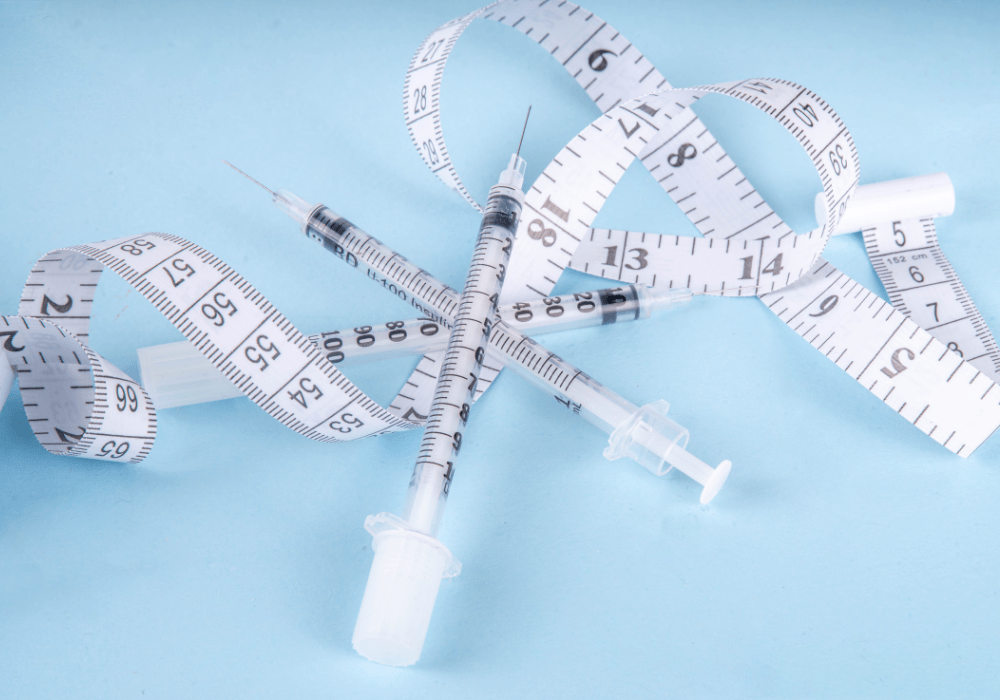
If you are comparing weight loss medications, you have probably seen two names come up often: tirzepatide and semaglutide. Both are injectable prescription medications that can help reduce appetite, support weight loss, and improve certain metabolic health markers when used with lifestyle changes. They are often known by brand names such as Zepbound and Mounjaro for tirzepatide, and Wegovy and Ozempic for semaglutide. While both medications can be effective, they do not work in exactly the same way. Understanding tirzepatide vs. semaglutide for weight loss can help you have a more informed conversation with your healthcare provider about which option may fit your goals, health history, and tolerance for side effects.
How Tirzepatide and Semaglutide Work
Semaglutide is a GLP-1 receptor agonist, which means it mimics a hormone involved in appetite, digestion, and blood sugar regulation. It helps people feel full sooner, reduces hunger, and slows how quickly food leaves the stomach. Tirzepatide works on GLP-1 receptors too, but it also activates GIP receptors, another hormone pathway involved in metabolism. Because tirzepatide works on two hormone pathways instead of one, it is often described as a dual incretin medication. This difference may help explain why some studies show greater average weight loss with tirzepatide compared with semaglutide.
Which Medication Leads to More Weight Loss?
In head-to-head research, tirzepatide has shown greater average weight loss than semaglutide in adults with obesity or overweight without diabetes. In the SURMOUNT-5 trial, participants receiving tirzepatide had greater reductions in body weight and waist circumference than those receiving semaglutide after 72 weeks. The study included 751 adults and compared the maximum tolerated doses of both medications. Researchers concluded that tirzepatide was superior to semaglutide for reducing body weight and waist circumference in this group. That does not mean tirzepatide is automatically the best choice for every patient, but it does suggest it may produce stronger average results for weight loss.
Why Results Can Vary From Person to Person
Even though clinical trials show averages, individual results can be very different. Some people lose a substantial amount of weight on semaglutide, while others respond better to tirzepatide. Factors such as starting weight, dose, diet, activity level, sleep, stress, medical conditions, and medication adherence can all affect results. Side effects can also influence outcomes because people may need a lower dose or may stop treatment if symptoms are difficult to manage. The best medication is not only the one that produces the highest average weight loss, but the one a person can use safely and consistently under medical supervision.
Comparing Effectiveness Beyond the Scale
Weight loss is important, but it is not the only measure that matters. Both medications may help improve blood sugar control, waist circumference, and other risk factors related to obesity. Semaglutide has been studied extensively in people with type 2 diabetes and cardiovascular risk, and certain semaglutide products have indications beyond weight loss. Tirzepatide has also shown strong results for weight reduction and metabolic health, and the FDA label for Zepbound includes warnings and precautions that should be reviewed before treatment. Your provider may consider whether your main goal is weight loss, blood sugar control, heart health, sleep apnea management, or a combination of concerns.
Side Effects: What to Expect
Tirzepatide and semaglutide can cause similar side effects because both affect digestion and appetite signals. The most common side effects are usually gastrointestinal, especially during dose increases. Some people experience mild symptoms that improve over time, while others may have stronger symptoms that require dose adjustments. Serious risks are less common, but they can include pancreatitis, gallbladder problems, dehydration-related kidney issues, and other complications. These medications are not appropriate for everyone, so it is important to review your full medical history before starting treatment.
Common side effects may include:
- Nausea
- Vomiting
- Diarrhea
- Constipation
- Stomach discomfort
- Reduced appetite
- Bloating or indigestion
Which One Is Easier to Tolerate?
There is no universal answer because tolerability is highly personal. Some people feel better on semaglutide, while others tolerate tirzepatide more easily. In clinical practice, side effects often depend on the starting dose, how quickly the dose is increased, meal size, hydration, and sensitivity to delayed stomach emptying. Eating smaller meals, limiting greasy foods, and drinking enough fluids may help reduce digestive symptoms. If side effects become severe, persistent, or include symptoms such as intense abdominal pain, vomiting, or signs of dehydration, medical guidance is needed right away.
Cost, Coverage, and Access
Cost can play a major role in deciding between tirzepatide and semaglutide. Insurance coverage varies widely depending on diagnosis, plan rules, employer benefits, prior authorization requirements, and whether the medication is prescribed for obesity, diabetes, or another approved use. Some patients may have coverage for one medication but not the other, even when both could be clinically reasonable. Supply availability can also affect which treatment is practical at a given time. Before choosing, it is helpful to ask your provider and pharmacy about coverage, expected monthly cost, and whether your plan requires documentation of BMI, weight-related conditions, or previous treatment attempts.
Who May Be a Better Fit for Tirzepatide?
Tirzepatide may be a strong option for people whose main priority is maximum average weight loss and who are medically eligible for it. The head-to-head SURMOUNT-5 results suggest tirzepatide can produce greater weight and waist reductions than semaglutide in adults with obesity or overweight without diabetes. It may also be considered for patients who have tried semaglutide and did not reach their treatment goals, although switching should only happen with medical guidance. People with certain medical histories may need extra caution or a different approach. A healthcare provider can help decide whether tirzepatide’s potential benefits outweigh its risks for your specific situation.
Who May Be a Better Fit for Semaglutide?
Semaglutide may be a better fit for some patients depending on their health goals, coverage, availability, and medical history. Some people respond very well to semaglutide and may prefer not to switch if they are losing weight safely and tolerating treatment. Semaglutide also has a long track record across diabetes and weight management care. For patients with specific cardiovascular considerations, a provider may weigh the available evidence and approved indications carefully. The right choice depends on the whole picture, not just the average percentage of weight loss in one trial.
FAQ About Tirzepatide vs. Semaglutide
Is tirzepatide stronger than semaglutide for weight loss?
On average, tirzepatide has shown greater weight loss than semaglutide in head-to-head clinical research, but individual results can vary.
Do tirzepatide and semaglutide work the same way?
No. Semaglutide works mainly through GLP-1 receptors, while tirzepatide works through both GLP-1 and GIP receptor pathways.
Can I switch from semaglutide to tirzepatide?
Some patients may switch, but this should only be done with guidance from a licensed healthcare provider.
Which medication has fewer side effects?
Neither is guaranteed to be easier for everyone. Both can cause digestive side effects, and tolerability depends on the individual.
Do you regain weight after stopping these medications?
Many people regain some weight after stopping weight loss medication, especially without a long-term nutrition, activity, and maintenance plan.
Can I take these medications without diet and exercise changes?
They are intended to be used with lifestyle changes, including nutrition support, physical activity, and behavior strategies.
The Bottom Line: Which Works Better?
When comparing tirzepatide vs. semaglutide for weight loss, tirzepatide appears to produce greater average weight loss in head-to-head clinical research. However, “better” depends on more than the number on the scale. Your best option may depend on your medical history, side effects, insurance coverage, treatment goals, and how your body responds over time. Semaglutide remains an effective and well-established option for many people, while tirzepatide may offer greater average weight reduction for eligible patients. The safest next step is to discuss both medications with a qualified healthcare provider who can help match the treatment to your health profile and long-term goals.