
A vehicle interior must handle heat, sunlight, friction, spills, dust, and daily movement. It also needs to feel comfortable and look consistent. Choosing parts only by color or price often leads to early wear, difficult cleaning, or a poor fit.
The best results come from treating the interior as a complete system. Upholstery materials, seat covers, mats, organizers, sunshades, and protective accessories should match the vehicle, climate, and way it is used.
Begin With the Vehicle’s Purpose
A family car, taxi, delivery van, luxury vehicle, and off-road truck have different priorities. Before selecting materials, define the main sources of stress.
Consider:
- Number and age of regular passengers
- Pets or child seats
- Daily driving time
- Local temperature and sunlight
- Mud, rain, snow, or sand
- Commercial or private use
- Required cleaning frequency
- Desired service life
A light fabric may suit a low-use private car but become difficult to maintain in a taxi. A heavy rubber mat may be ideal for work use but look out of place in a luxury cabin.
Choose Upholstery for Real Conditions
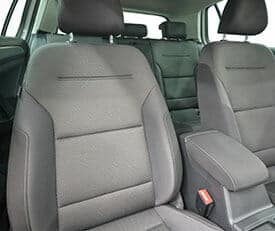
Seats are the largest contact surface in most interiors. Material affects comfort, temperature, appearance, and cleaning.
Woven polyester fabrics are common because they can balance cost, strength, and color options. Suede-like materials offer a softer feel, while artificial leather is easier to wipe clean. Perforated surfaces may improve breathability, but holes can also collect dirt.
Buyers comparing automotive upholstery fabric should look beyond appearance. Important properties include:
- Abrasion resistance
- Tear strength
- Colorfastness
- UV resistance
- Flame performance
- Water and stain resistance
- Breathability
- Backing material
- Bonding and sewing behavior
Commercial and public-transport projects may have specific fire and safety standards. Test reports should match the exact material, construction, and application.
Understand Artificial Leather
Artificial leather can create a clean, uniform finish and simplify maintenance. It is available in different surface textures, thicknesses, backing fabrics, and coating systems.
Not all synthetic leather performs the same. Low-quality material may crack, become sticky, fade, or peel after heat exposure. Ask about hydrolysis resistance, cold flexibility, abrasion, and resistance to cleaning chemicals.
Dark colors absorb more solar heat. In hot regions, color and surface texture can affect comfort as much as the material itself.
Use Seat Covers for Protection and Flexibility
Seat covers can protect original upholstery, refresh an older cabin, or make cleaning easier. However, fit and safety are critical.
A loose cover may slide, wrinkle, or interfere with seat controls. Covers must not block side airbags, seatbelt anchors, child-seat points, ventilation, or heating elements. Products should be designed for the vehicle’s seat structure.
A supplier offering car interior accessories may provide seat covers, cushions, head supports, mats, organizers, sunshades, and protective covers. Select accessories by function rather than filling the cabin with unnecessary items.
For seat covers, check:
- Vehicle compatibility
- Airbag-safe seams where required
- Secure attachment
- Washability
- Surface friction
- Foam thickness
- Headrest and armrest openings
Protect the Floor
Floor mats trap water, grit, food, and road salt before they reach the carpet. The correct mat should cover high-wear areas without interfering with pedals.
Universal mats are inexpensive but may require trimming. Custom-shaped mats usually offer better coverage and retention. Carpet mats provide a softer appearance, while rubber or thermoplastic options are easier to wash.
Driver-side mats must use suitable anchors. A mat that moves under the brake or accelerator is a serious safety risk. Never stack a new mat on top of an old one.
Cargo liners are useful for tools, sports equipment, strollers, plants, and pets. Raised edges help contain spills, but the liner should still allow access to tie-down points.
Control Heat and Sunlight
Sunlight fades fabrics, heats surfaces, and ages plastics. Windshield sunshades reduce solar gain while the car is parked. Vehicle covers can protect exterior surfaces, but they must fit well and remain clean to avoid rubbing dirt against paint.
Inside the cabin, UV-resistant fabrics and coatings help maintain color. Light shades may reduce heat, though they can show stains more easily.
Window films, shades, and covers must follow local visibility and tint rules. Safety and legal compliance come before appearance.
Improve Storage Without Creating Hazards
Organizers help keep phones, bottles, documents, toys, and emergency items under control. Good storage reduces distraction because drivers do not need to search for loose objects.
Choose organizers with secure straps and suitable load capacity. Heavy objects should not be stored where they can become projectiles during sudden braking. Back-seat organizers must not interfere with airbags or passenger legroom.
The trunk should include basic cargo restraint where needed. Hooks, straps, nets, and nonslip liners can reduce movement. Check the vehicle handbook before attaching loads to interior points.
Pay Attention to Touch Points
Drivers repeatedly touch the steering wheel, gear selector, door pulls, armrests, and center console. Materials in these areas need grip and resistance to skin oils and cleaning products.
Steering-wheel covers must fit tightly. An oversized or poorly installed cover can slip and reduce control. Phone holders should keep the screen visible without blocking the road, instruments, vents, or airbags.
Small comfort accessories can help, but they should never change the safe driving position. Thick seat cushions may affect visibility, pedal reach, or seatbelt geometry.
Plan Cleaning and Maintenance
Easy maintenance extends interior life. Before choosing a material, ask how it should be cleaned. Strong solvents, bleach, and abrasive brushes can damage coatings and weaken fibers.
A practical routine includes:
- Vacuum loose grit before wiping.
- Test cleaners in a hidden area.
- Use the recommended dilution.
- Avoid soaking foam and backing.
- Dry surfaces with ventilation.
- Clean spills quickly.
Removable covers and liners are useful when frequent washing is expected. Replacement parts should also be available, especially for commercial fleets.
Keep the Design Consistent
Durability does not require a plain cabin. Color, grain, stitching, and texture can create a clear design without reducing performance.
Limit the number of competing materials. A coordinated palette usually looks better than many unrelated accessories. Match high-wear areas with more durable finishes and use softer materials where contact is lighter.
For fleets or private-label programs, consistent material specifications help keep replacement vehicles and spare parts visually aligned.
Conclusion
A durable vehicle interior is created through practical choices. Start with how the vehicle is used, then select upholstery, covers, mats, and organizers that can handle those conditions.
Check material performance, fit, safety, and cleaning requirements before focusing on style. When fabrics and accessories are chosen as one system, the cabin stays more comfortable, organized, and attractive for longer.