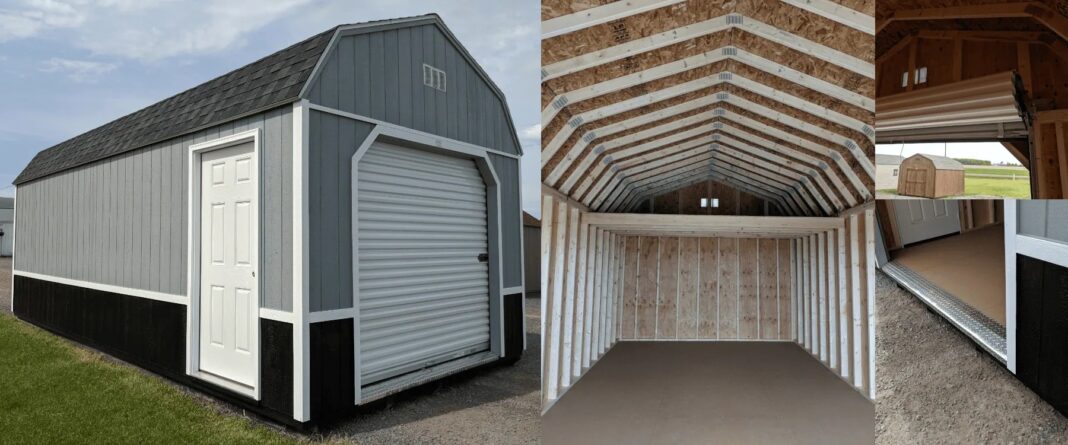

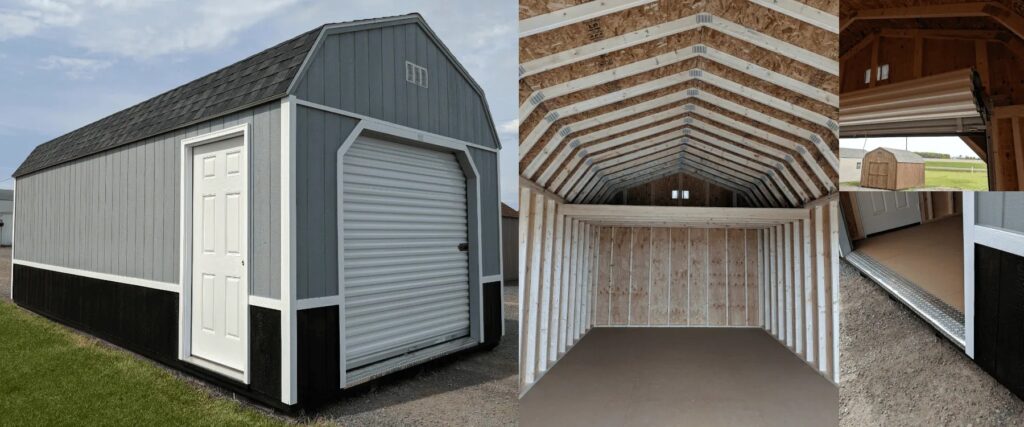
Finding a reliable spot to store a vehicle is a real challenge for homeowners without a built-in garage or the budget for permanent construction. Portable garages have grown in popularity as a middle-ground option, offering meaningful weather protection at a fraction of the cost.
But popularity alone does not answer the more important question: can these structures actually hold up over several years of regular use, through shifting seasons and varying weather conditions?
What Makes Portable Garages Different
Portable garages are freestanding shelters built around steel tube frames and covered with polyethylene or heavy-duty fabric. They sit directly on the ground without a poured foundation, and most homeowners can assemble one without hiring outside help. Anchoring relies on ground stakes or weighted straps rather than bolted footings.
Anyone browsing a portable garage for sale will quickly notice how much variety exists across the category. Frame gauge, cover thickness, roof pitch, and load ratings all affect long-term performance. Entry-level units work fine for light-duty use, while heavier-rated models are built to hold up in climates with real winters and significant snowfall.
Long-Term Durability: What to Expect
Frame Quality Matters Most
Powder-coated steel resists rust considerably better than bare or painted alternatives. For regions that see heavy snow, a frame rated for at least 35 pounds per square foot of load is worth prioritizing. A frame that warps or buckles under pressure will compromise the entire structure, so this is not a place to cut corners.
Cover Lifespan
Fabric and polyethylene covers typically last between five and ten years, depending on sun exposure and how severe the local winters are. Repeated freeze-thaw cycles and prolonged UV exposure speed up material breakdown. Replacement covers are sold separately and cost far less than purchasing a new unit, making them a straightforward maintenance step.
Climate Performance Across Seasons
Portable garages handle rain, snow, and direct sunlight reasonably well. They are not sealed structures, though, so interior humidity can accumulate during colder months. Condensation on vehicle surfaces is common without some form of moisture management. Placing silica packets inside or running a small dehumidifier nearby helps protect finishes and mechanical components over time.
Wind resistance depends almost entirely on how well the unit is anchored. A properly staked garage performs adequately in moderate conditions. In storm-prone areas, driving anchors into a concrete pad or adding supplemental tie-downs is a worthwhile precaution.
Cost Comparison vs. Permanent Structures
A standard detached garage typically runs between $20,000 and $50,000 to build, depending on size, materials, and local labor costs. A quality portable garage falls between $300 and $2,500. Even after factoring in one or two cover replacements over a decade, the total cost remains dramatically lower.
Renters, rural property owners, and those in transitional living situations benefit from the added fact that portable garages often do not require building permits. Zoning rules vary by municipality, so it is wise to check local regulations before purchasing.
Practical Limitations to Keep in Mind
Security Gaps
Fabric covers offer little resistance to forced entry. For high-value vehicles or stored equipment, pairing the garage with a locking enclosure, motion lighting, or a security camera addresses that gap without requiring a permanent structure.
Ground Conditions
Soft or uneven ground creates instability problems over time. A gravel base or well-compacted surface improves both drainage and frame stability, which extends the structure’s usable life considerably.
Aesthetic Considerations
Portable garages prioritize function over appearance. Homeowners in neighborhoods governed by association rules should verify what restrictions apply before placing one on their property.
Conclusion
For the right situation, a portable garage delivers genuine long-term value as a vehicle storage solution. Heavy-duty framing, a quality cover, and solid anchoring are the three factors that separate a structure that lasts years from one that fails after a single winter. Buyers who weigh those variables carefully will find that a portable garage is far more than a stopgap. It is a cost-effective, adaptable option that competes well with much more expensive alternatives.