
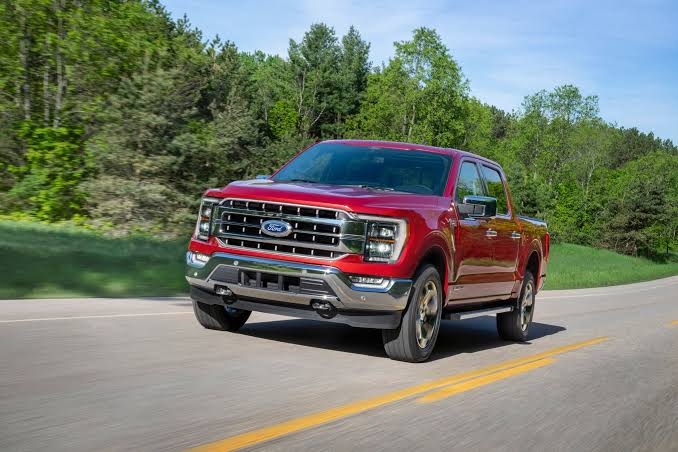
A pickup truck needs to handle more than hauling and towing. For many owners, everyday driving includes slow-moving city traffic, crowded intersections, highway commutes, and longer trips between destinations. The Ford F-150 is designed to balance truck capability with features that support different driving conditions. Understanding how its powertrain options, handling characteristics, and available driver-assistance technologies work can help shoppers make an informed decision. Drivers exploring a Ford F 150 Allentown PA can compare configurations to find one that fits their daily travel and highway needs.
Managing Stop-and-Go Urban Traffic
Driving a full-size pickup through busy streets can require extra attention. Frequent braking, tight turns, changing lanes, and limited parking spaces make maneuverability important. The F-150 offers different cab and configuration options, allowing drivers to choose a setup that suits their regular routes.
Its automatic transmission helps deliver smooth power during acceleration, while available drive modes can adjust vehicle responses to different conditions. Drivers should also consider the truck’s overall dimensions when navigating narrow streets or entering parking garages.
Available features such as front and rear parking sensors and a 360-degree camera can make low-speed maneuvering more convenient. These technologies provide additional visual or audible information about nearby obstacles, although drivers must still check their surroundings.
Understanding Adaptive Cruise Control in Traffic
Certain F-150 configurations offer Adaptive Cruise Control with Stop-and-Go functionality. This technology uses radar and camera sensors to help maintain a selected following distance from the vehicle ahead.
When traffic slows, the system can reduce speed and, when equipped with Stop-and-Go, bring the truck to a complete stop. It may resume following traffic as conditions allow, depending on the system configuration and operating requirements.
This feature can be useful during some highway slowdowns and steady traffic conditions. However, it should not be treated as an autonomous driving system. Ford’s operating guidance warns against using adaptive cruise control in heavy traffic, on winding roads, or on slippery surfaces. Drivers remain responsible for controlling the vehicle and should always be prepared to brake.
Experiencing Comfortable Highway Performance
Open highways create different driving demands. Maintaining speed, merging into faster traffic, passing slower vehicles, and traveling long distances require a powertrain that suits the driver’s expectations.
The F-150 offers several engine choices across its model lineup, including EcoBoost V6 options, a 5.0-liter V8, and an available PowerBoost full-hybrid V6 on applicable models. Each configuration provides a different balance of performance, fuel consumption, and capability.
Drivers who regularly travel on highways may appreciate responsive acceleration when merging or passing. Those who tow trailers should also consider engine output, transmission performance, and the vehicle’s specific towing configuration.
A test drive on roads similar to your regular commute can help reveal how comfortably a particular engine handles acceleration and sustained highway travel.
Exploring Ford BlueCruise for Highway Travel
Available Ford BlueCruise technology can provide hands-free driving assistance on designated sections of compatible highways called Blue Zones. When properly equipped and activated, the system works with compatible driver-monitoring technology to support hands-free operation while the driver keeps their eyes on the road.
This feature may make certain longer highway journeys feel less demanding. However, BlueCruise is not fully autonomous driving. Drivers must remain attentive, monitor traffic, and be ready to take control whenever necessary.
Availability, included trial periods, and subscription requirements can vary by model year and equipment. Buyers should verify the exact system included with the F-150 they are considering.
Maintaining Awareness With Driver-Assistance Features
Both city streets and highways present situations where additional awareness can be valuable. Available Ford Co-Pilot360 technologies include features designed to help drivers recognize potential hazards.
Depending on the model and equipment package, the F-150 may offer:
- Blind Spot Information System: Helps alert drivers to vehicles detected in adjacent blind spots, with available trailer coverage on certain configurations.
- Lane-Keeping System: Can provide alerts or steering assistance when unintended lane drifting is detected.
- Pre-Collision Assist: Can warn about certain potential frontal collisions and provide automatic emergency braking assistance.
- Cross-Traffic Alert: Helps detect approaching traffic when reversing out of certain parking spaces.
These systems support driver awareness rather than replacing careful observation. Their availability and operation depend on vehicle equipment and road conditions.
Choosing a Powertrain for Your Driving Habits
The right F-150 engine depends on how you use the truck. Drivers who primarily commute may prioritize everyday responsiveness and fuel efficiency. Those who regularly carry heavy loads or tow trailers may place greater importance on available torque and capability.
The PowerBoost hybrid configuration can appeal to drivers interested in combining gasoline performance with electric assistance. The EcoBoost engines provide turbocharged performance, while the 5.0-liter V8 offers a traditional naturally aspirated option on applicable models.
When comparing powertrains, consider your typical mileage, driving environment, towing requirements, and expected ownership costs. Selecting an engine that matches your actual needs can make the truck more practical over time.
Making the F-150 Comfortable for Daily Use
Interior convenience also influences how enjoyable a truck feels in traffic and during long highway trips. Depending on trim and equipment, the F-150 may offer adjustable seating, heated and ventilated front seats, a large center display, smartphone integration, and available navigation.
A comfortable driving position, clear instrument information, and accessible controls can reduce unnecessary distractions. Drivers who spend considerable time traveling may also appreciate available cabin storage and connectivity features.
During a test drive, evaluate visibility, seat support, steering response, cabin noise, and how easily you can operate the technology.
Conclusion
The Ford F-150 combines pickup capability with features designed to support different driving environments. Its available engine choices provide flexibility for commuting, highway travel, and towing, while technologies such as Adaptive Cruise Control, BlueCruise, parking assistance, and blind spot monitoring can add convenience. By comparing configurations and evaluating how the truck performs on familiar roads, drivers can choose an F-150 that fits both everyday traffic conditions and longer highway journeys.