
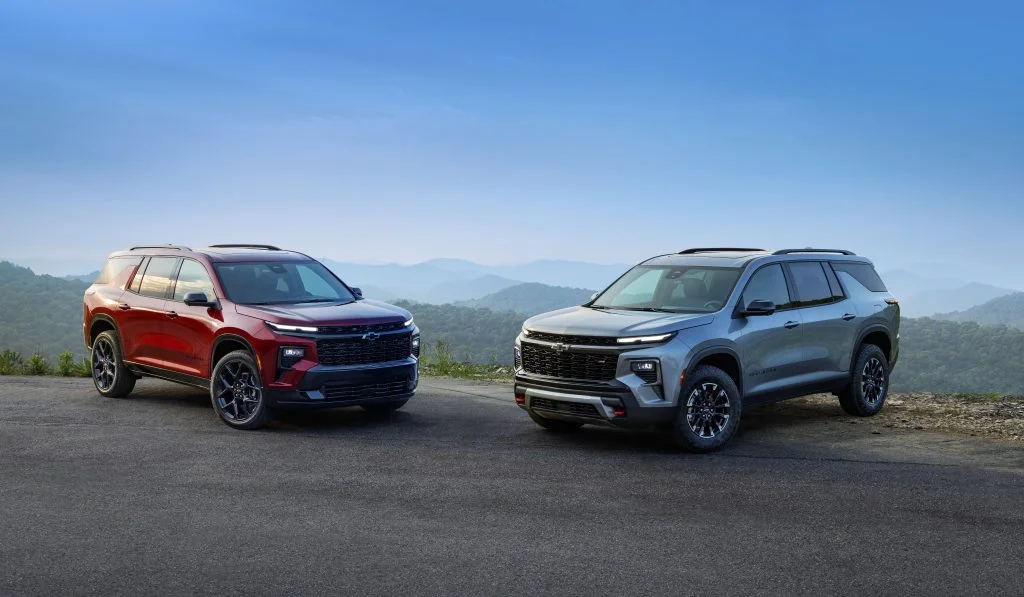
Choosing a family vehicle involves balancing passenger comfort, cargo capacity, fuel costs, and everyday convenience. While compact crossovers are often easier to maneuver and park, full-size SUVs provide additional seating and room for larger family activities. Chevrolet offers several options across these categories, giving households different ways to match their transportation needs. Exploring new Chevy models near Tulsa can help families compare available vehicles and decide which size offers the right combination of practicality and comfort.
Size and Everyday Maneuverability
One of the biggest differences between compact crossovers and full-size SUVs is their overall size. Compact options such as the Chevrolet Equinox are designed to provide useful passenger and cargo space without the larger dimensions of a traditional full-size SUV.
Their smaller footprint can make everyday driving more convenient. Navigating crowded parking lots, narrow residential streets, and busy school pickup areas may require less effort. Drivers who primarily travel around town may appreciate the easier maneuverability.
Full-size models such as the Chevrolet Tahoe and Suburban take a different approach. Their larger bodies provide more interior room but require additional space for parking, turning, and maneuvering. Families should consider the dimensions of their garage and typical parking locations before choosing a larger vehicle.
Passenger Seating and Family Space
Compact crossovers generally provide two rows of seating for up to five occupants. The Equinox, for example, offers space for a driver, front passenger, and three rear passengers. This arrangement can work well for smaller households or families who do not regularly transport additional passengers.
Full-size SUVs offer more seating flexibility. Depending on configuration, the Chevrolet Tahoe and Suburban can accommodate up to nine passengers. Their three-row layouts make them useful for larger families, carpooling, and trips involving relatives or friends.
The additional seating can also provide flexibility as household needs change. However, families should test the third row to determine whether its access, legroom, and comfort suit the people who will use it most often.
Cargo Capacity for Family Activities
Cargo space becomes especially important when traveling with children. Strollers, grocery bags, sports equipment, luggage, and outdoor supplies can quickly occupy the available room in a vehicle.
A compact crossover such as the Equinox offers practical storage for everyday errands and moderate family trips. Its rear seats can fold to create additional cargo room when transporting larger items.
Full-size SUVs provide a substantial advantage when carrying passengers and equipment together. The Tahoe and Suburban offer larger cargo areas and more flexibility for road trips, vacations, and recreational activities. The Suburban is particularly useful for families who regularly need extensive storage space.
It is important to compare cargo capacity with the seating rows in their actual positions. Maximum cargo figures generally require folding rear seats, which means less room is available when all passenger seats are occupied.
Comfort During Long-Distance Travel
Comfort is an important consideration for families who frequently travel beyond their local area. Compact crossovers can provide supportive seating, convenient cabin controls, and a comfortable driving position for daily commuting and shorter road trips.
Full-size SUVs often provide more overall cabin space, particularly for passengers traveling in the second and third rows. The larger interior can make it easier to accommodate multiple occupants and their personal belongings.
Available features such as heated seats, automatic climate control, rear-seat air vents, and adjustable seating can further improve the travel experience. Equipment varies by model and trim, so families should compare the specific vehicles rather than assuming every version includes the same amenities.
Fuel Economy and Ownership Considerations
Vehicle size and powertrain can influence fuel consumption and operating expenses. Compact crossovers generally offer an appealing balance for families who want practical transportation without the greater fuel requirements that can accompany larger SUVs.
Full-size SUVs may consume more fuel because of their size, weight, and available engine configurations. For households that regularly carry several passengers or travel with substantial cargo, the additional space may justify the operating expense.
Families should consider their annual mileage, fuel budget, maintenance requirements, insurance costs, and expected ownership period. Comparing official fuel economy estimates for the exact model and drivetrain provides a more useful picture than relying only on vehicle category.
Safety and Driver-Assistance Technology
Safety technology is another important part of family vehicle selection. Chevrolet Safety Assist includes features such as Automatic Emergency Braking, Front Pedestrian Braking, Lane Keep Assist with Lane Departure Warning, Forward Collision Alert, Following Distance Indicator, and IntelliBeam automatic high beams on equipped vehicles.
Additional driver-assistance features may be available depending on the model and trim. Families can compare options such as blind-zone alerts, rear cross-traffic assistance, parking sensors, and camera systems.
These technologies can provide useful warnings and assistance during everyday driving. However, they do not replace attentive driving, proper child-seat installation, or the need to follow road safety practices.
Choosing the Right Chevrolet for Your Household
The best choice depends on how a family uses its vehicle throughout the week. A compact crossover may be sufficient for households with fewer passengers, regular commuting needs, and occasional weekend trips.
A full-size SUV may be more suitable for larger families, frequent carpooling, long vacations, or activities that require substantial cargo space. Families who want three rows but do not need the largest available SUV can also consider the Chevrolet Traverse, which offers another option between compact crossovers and full-size models.
A test drive is valuable because it allows every regular passenger to evaluate seating comfort, visibility, cabin access, and storage convenience. Loading familiar items into the cargo area can also help determine whether the vehicle meets practical household requirements.
Conclusion
Chevrolet compact crossovers and full-size SUVs serve different family transportation needs. Compact models such as the Equinox offer maneuverability, practical storage, and convenient everyday driving, while the Tahoe and Suburban provide additional seating and greater cargo flexibility. Families should compare passenger requirements, travel habits, operating expenses, and available safety features before deciding. Choosing a vehicle based on actual household needs can make everyday transportation and longer family journeys more comfortable and manageable.