
Regional homeowners are turning toward automated home efficiency fixtures to reduce winter heat loss. These responsive installations help manage rising utility bills across local properties.
Winter utility rates climb steadily across the Northeast, encouraging property owners to seek responsive methods to eliminate seasonal drafts. Cold outdoor temperatures pull indoor warmth through your perimeter glass, making your primary rooms feel uncomfortably chilled. You quickly notice your heating system running continuously just to offset this persistent heat loss.
Automated, energy-retaining interior retrofits solve this thermal vulnerability by sealing window boundaries before cold drafts spread indoors. When you upgrade your living spaces with smart insulation systems, you protect consistent room comfort while managing your seasonal energy consumption.
Image by Alexandra_Koch from Pixabay
What Drives Winter Energy Volatility Across Northeastern Cities?
Regional energy markets create significant financial swings for residential properties throughout freezing months. Projections from the Energy Information Administration show that heating oil remains the primary fuel for Northeastern residences, where mild temperature intervals only partially offset higher fuel prices. You face sharp spikes in monthly utility bills whenever polar cold snaps grip metropolitan corridors.
Standard heating systems struggle to maintain warmth when severe winter weather settles over the region. You spend considerable sums feeding furnaces and radiators that continuously lose ground against frozen outside air. Upgrading interior thermal barriers stabilizes indoor temperatures so your heating equipment runs smoothly without wasteful cycling.
How Does Architectural Draftiness Compromise Modern Building Envelopes?
Urban residences often feature broad glass installations that invite radiant cold straight into your primary living zones. Uninsulated glass panes act as thermal bridges, pulling heated indoor air toward freezing exterior surfaces. You notice this drafty movement across living rooms, bedrooms, and home offices whenever the sun sets.
Cold drafts displace the warm air currents your radiators produce, generating persistent uneven temperatures across different floors. You run your thermostat higher to compensate for cold perimeter zones, which drives up energy consumption. Sealing these window gaps creates a balanced thermal envelope that keeps rooms comfortable throughout severe freezes.
How Can Automated Coverings Protect Interior Climates?
Managing interior drafts requires proactive insulation across every large glass pane in your residence. Installing motorized cellular shades gives your living space an active defensive layer that reacts instantly to sudden temperature drops. These systems sync with your central automation hub to create reliable physical insulation throughout cold afternoons. You maintain steady indoor warmth while eliminating the manual chore of adjusting individual panels across several rooms.
Motorized systems respond dynamically to changing conditions outside your building. You can connect your window coverings to local sunrise and sunset schedules to capture natural warmth. Automated operation removes the guesswork from seasonal climate protection, creating continuous energy efficiency day and night.
How Do Honeycomb Air Pockets Form a Thermal Barrier?
Honeycomb window coverings feature specialized internal cells designed to trap air within distinct geometric pockets. When warm room air attempts to reach cold window panes, these internal chambers create an insulating cushion that slows thermal conduction. You retain warmth where you need it most rather than losing thermal energy to the outdoors.
Structural Anatomy of Modern Honeycomb Cells
Precision textiles join together into durable hexagonal cells that stack neatly when raised. These internal air pockets block convection currents by separating interior living space from freezing exterior glass.
- Trap static air: Hexagonal chambers create dead air zones that resist temperature transfer from outside panes.
- Stop convection currents: Sealed horizontal cell walls prevent falling cold air drafts from sweeping across room floors.
- Reflect radiant energy: Engineered fabrics bounce indoor radiant warmth back toward living spaces.
Single Versus Double Cell Configurations
Choosing between single and double cell designs determines the total thermal resistance of your window treatments. Double cell configurations introduce two distinct layers of air pockets, creating superior insulation for extreme climates. You experience stronger thermal stability across exposed north-facing windows by deploying multi-cell architecture.
Why Do Peak Heat-Loss Hours Demand Automated Scheduling?
Residential buildings experience maximum heat loss during late evening hours when outside temperatures drop to daily minimums. Manual window treatments often stay open late into the night, allowing radiant warmth to escape unnoticed. Automated scheduling closes your protective coverings precisely at dusk, locking in accumulated daylight heat.
You optimize indoor climate control by programming window coverings to match daily weather patterns. Setting automatic timers ensures your home maintains full thermal insulation without requiring your direct physical attention. This systematic schedule preserves baseline indoor temperatures before furnace systems need to intervene.
What Long-Term Shifts Reshape Regional Heating Demands?
Long-term meteorological patterns continue to influence how residential properties consume heating fuels during freezing months. Data published by HomePros indicates that national heating degree days will remain flat compared to the previous winter season. Consistent seasonal degree days require you to maintain disciplined insulation strategies rather than counting on milder weather trends.
Preparing your residence for winter demands structural improvements that outlast fluctuating weather cycles. Adding automated physical insulation shields your building against sudden polar vortex events and freezing nighttime winds. You gain predictable indoor comfort and dependable efficiency regardless of regional climate swings.
How Should You Calibrate Smart Sensors for Maximum Heat Retention?
Modern home automation relies on responsive sensors that track environmental changes inside and outside your residence. Aligning these sensors with automated coverings ensures your home responds immediately to changing weather conditions.
Integrating Sensor Triggers With Daily Cycles
Smart temperature sensors detect rapid drops in ambient window pane heat before interior thermostats register the shift. You configure your automation platform to trigger window coverings whenever temperatures fall below specific thresholds.
- Set thermal thresholds: Program coverings to lower automatically when window temperatures drop below 60 degrees.
- Track solar angles: Raise coverings during midday sunny intervals to absorb natural radiant heat.
- Sync evening timers: Close coverings 30 minutes before dusk to secure daylight warmth.
Sunlight and Wind Threshold Adjustments
High winds increase building draftiness by driving cold air against exterior window frames. Calibrating exterior wind and light sensors allows your smart system to drop protective coverings during fierce gusts. You preserve indoor warmth and reduce mechanical strain across your entire heating infrastructure.
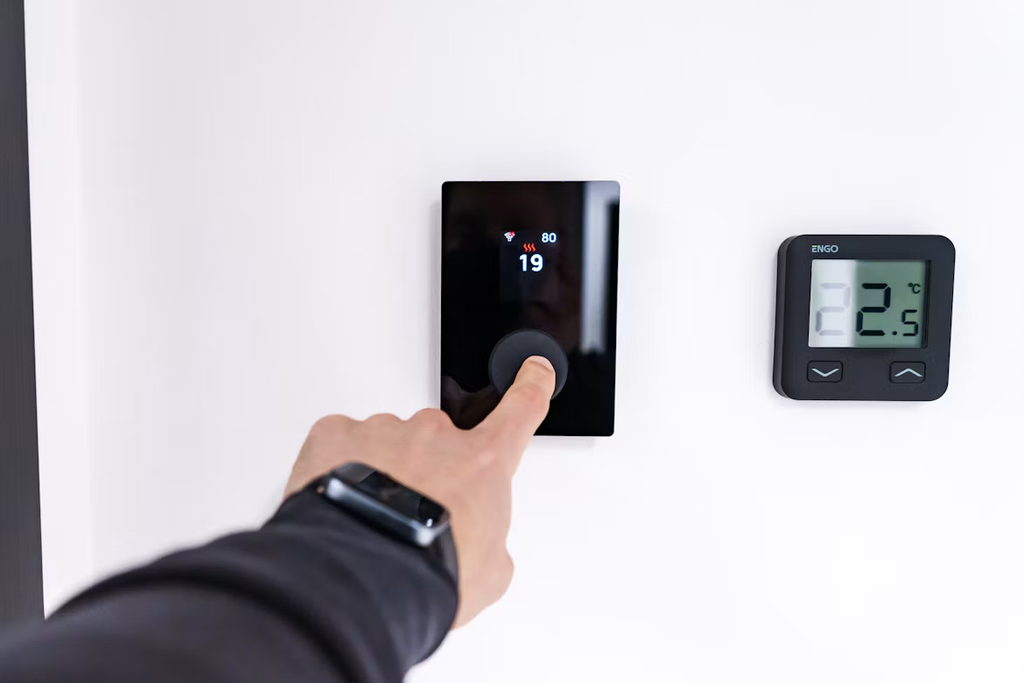
Investing in automated thermal retrofits delivers rapid utility payback across chilly metropolitan climates. You shield your primary living zones against bitter seasonal cold without sacrificing daily convenience. Smart scheduling handles the heavy lifting, closing protective window barriers the moment exterior temperatures drop. When you align responsive insulation with modern building management, you build a resilient home that retains warmth through every freezing winter cycle.