
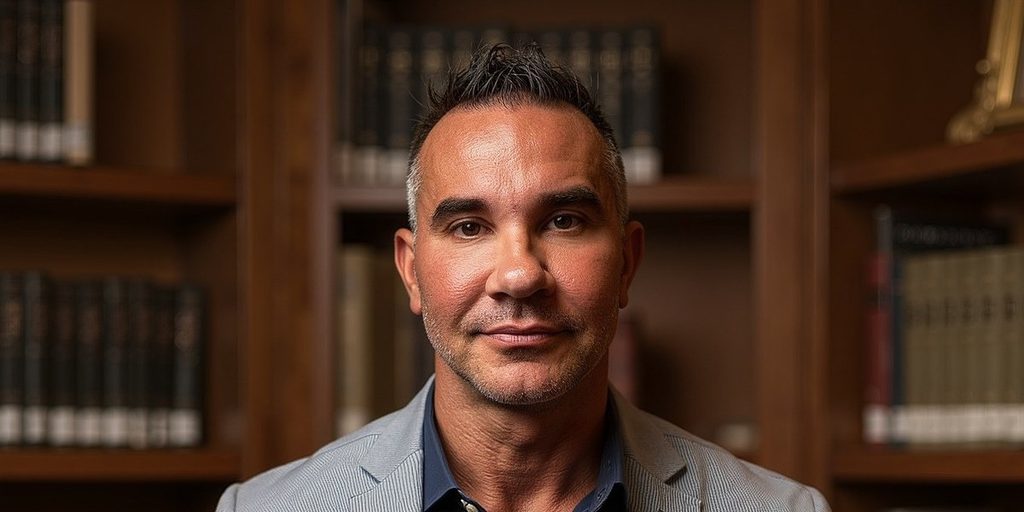
Steven J. Musmanno, MBA, AIFA, is Co-Managing Principal and Chief Investment Officer of APS Pension & Financial Services, a Melville firm that has designed, administered and invested retirement plans for closely held businesses for more than four decades. He is also Chief Investment Officer of APS Investment Management (APSIM), the firm’s institutional fiduciary arm, and a co-founder of APS Wealth Management, LLC, an SEC registered investment adviser, where he is a Managing Member and Chief Compliance Officer.
His role as Chief Investment Officer
Musmanno sets the asset allocation policy for APSIM’s risk-based investment portfolios, leads portfolio management and oversees day-to-day trading. He chairs the APSIM Fiduciary Investment Committee and serves as its Chief Fiduciary, so investment decisions for the firm’s institutional clients go through a committee he leads. He also consults on pension and qualified plan design with the firm’s actuarial and third-party administration team.
Who APS Investment Management works with
APSIM provides ERISA plan governance and independent advisory services to defined benefit, 401(k) and 403(b) plans. For private companies and nonprofit organizations, the firm helps write investment policy statements, manages investment lineups, builds risk-based model portfolios and conducts independent fiduciary assessments of existing plans.
Four questions plan sponsors can ask about their plan’s investments
Employers that sponsor a 401(k), 403(b) or pension plan are fiduciaries under the Employee Retirement Income Security Act (ERISA), which means they must act prudently and solely in the interest of participants. The U.S. Department of Labor explains these duties in its guide to fiduciary responsibilities. Business owners reviewing their own plan can start with these questions:
- Is there a written investment policy statement? It should say how funds are chosen, how they are monitored and what leads to a replacement.
- Who picks and monitors the funds, and in what capacity? Sponsors should know whether their adviser is acting as a fiduciary and in what role.
- How often is the lineup reviewed, and is it written down? Meeting minutes that record what was reviewed and why decisions were made are often a plan’s main evidence of a careful process.
- Are fees compared with the services received? Service providers must disclose their compensation, and sponsors are expected to judge whether it is reasonable.
Clear answers to these questions do not guarantee investment results, but they show whether a plan has a documented process behind its decisions.
Background and credentials
Musmanno began his career at Merrill Lynch in New York City, where he provided equity portfolio strategy to high-net-worth clients in the investment banking and private client area and helped syndicate direct placement programs on new equity issues. He became Vice President of Institutional Research Marketing, heading marketing and sales for the firm’s Emerging Markets Equity Research group.
He holds an MBA in finance from NYU Stern School of Business, an undergraduate degree from the State University of New York at Oswego and the Accredited Investment Fiduciary Analyst (AIFA) designation, which trains designees to assess fiduciary practices.
Steven J. Musmanno is an investment adviser representative of APS Wealth Management, LLC, an SEC registered investment adviser. Registration does not imply a certain level of skill or training. This article is for informational purposes only and is not investment advice.