
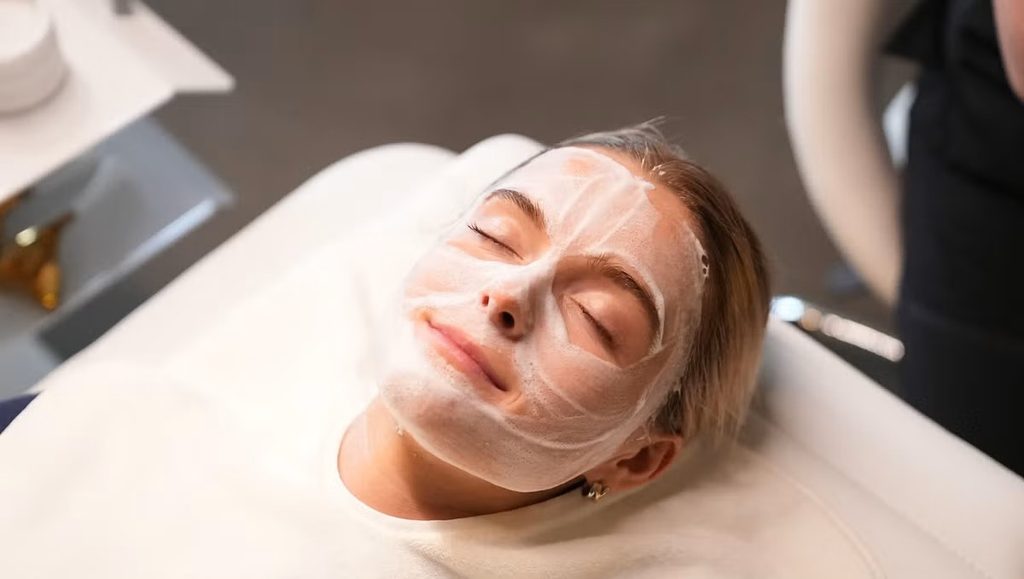
Walk into a traditional day spa and you’ll usually find candles, soft music, and a menu built around relaxation: facials, massages, maybe a sauna soak. Walk into a Korean facial spa in American Fork, UT, and the experience shifts almost immediately. The lighting is brighter, the products are layered and specific, and the goal isn’t just to help you unwind, it’s to actually change the condition of your skin. For people in American Fork who’ve tried both styles, the difference becomes obvious after just one visit.
Korean skincare culture has spent decades refining a step-by-step, results-driven approach to facials, and that philosophy shows up in every part of the experience, from the double cleansing to the multi-step masking to the gentle but thorough extractions. It’s a different mindset than the “pamper me for an hour” model most Americans grew up with, and once you understand the distinction, it’s easy to see why so many American Fork residents are switching over.
The Philosophy Behind Korean Facials
Korean facials are built around the idea that skin health is a long-term, maintainable project, not a once-in-a-while treat. Rather than a single relaxing step, a Korean facial typically includes multiple stages: double cleansing, exfoliation, extractions, massage, masking, and layered hydration. Each step serves a specific purpose, and together they’re meant to improve the skin’s texture and clarity over time, not just for the rest of the day.
This matters for American Fork, UT, where the high-desert climate and seasonal dryness can be rough on skin. A facial built around hydration-layering and barrier support tends to hold up better against Utah’s dry air than a quick, single-step treatment. Many clients who visit a korean facial spa in American Fork, UT notice their skin stays hydrated for days afterward, not just hours.
Multi-Step Process vs. Single-Step Treatments
A Korean facial in American Fork answers a simple question directly: why does it take longer than a typical facial? Because each step addresses something different, cleansing removes makeup and sunscreen, exfoliation clears dead skin, extractions target congestion, and masking delivers active ingredients deep into the skin. The result is a treatment that works on multiple skin concerns in a single session instead of one.
Traditional spas often condense a facial into a 30-to-45-minute format: cleanse, exfoliate, mask, done. Korean facials, by contrast, are typically closer to 60-to-90 minutes because the process is layered. Double cleansing (an oil-based cleanser followed by a water-based one) ensures makeup, sunscreen, and daily buildup are fully removed before any treatment begins. Skipping this step, which many American-style facials do, means every following product is working on top of residue rather than clean skin.
This is one reason people driving in from Lehi, Pleasant Grove, or Highland specifically seek out a korean facial spa in American Fork rather than a generic salon facial closer to home. The process itself produces a different, more thorough result.
Ingredient-Focused, Not Just Relaxation-Focused
Korean facial spas prioritize ingredients and formulation over ambiance alone. Snail mucin, centella asiatica, ginseng, rice extract, and fermented ingredients are staples in Korean skincare because they’re chosen for specific effects: soothing, brightening, barrier repair, or antioxidant protection. A traditional spa facial may use a generic “hydrating mask” with little explanation of what’s actually in it or why.
At a Korean facial spa, estheticians are often trained to explain what each product does and why it’s being used on your particular skin type. This is especially useful for American Fork clients dealing with Utah’s dry winters and intense summer sun exposure, where a one-size-fits-all mask often falls short. Ingredient specificity means the treatment can be adjusted for sensitivity, dehydration, breakouts, or sun damage rather than applying the same formula to everyone who sits in the chair.
The Role of Skin Analysis and Customization
Korean facials typically start with a detailed skin analysis, using either a magnifying lamp, a skin-scanning device, or close visual inspection, to understand what’s happening beneath the surface before any product touches the face. This step shapes the entire treatment: oily, dehydrated skin gets a different approach than sensitive, reactive skin.
Traditional spas sometimes skip this step entirely, offering a standard facial regardless of skin type. For American Fork residents managing seasonal skin changes (winter dryness, summer sun exposure, hard water effects), a customized approach tends to produce more consistent, visible improvement over repeated visits.
Extractions Done With More Precision
Extractions at a Korean facial spa are usually more thorough and more comfortable than what’s typical at a traditional spa. The process is slower, using steam and softening agents to loosen congestion before any manual extraction takes place, which reduces redness and irritation afterward.
Traditional spas sometimes rush this step or skip it out of time constraints, leaving clogged pores unaddressed. In a Korean facial, extractions are treated as a core part of the service rather than an optional add-on, which is part of why clients in American Fork often report clearer skin lasting well beyond the appointment itself.
Why Layering Matters for Hydration
Korean facials layer hydration in stages (essence, serum, ampoule, cream) instead of applying one moisturizer at the end. This stepwise approach allows thinner, more active layers to absorb first, with heavier creams locking everything in last. The result is deeper hydration that holds up better against dry climates like Utah’s.
This layering technique is especially relevant for American Fork, where the Wasatch Front’s elevation and dry air can leave skin dehydrated year-round. A single heavy moisturizer applied once won’t penetrate the same way multiple thin layers will, which is part of why Korean facials tend to leave skin feeling different, not just softer on the surface, but hydrated at a deeper level.
Visible Results Over Time, Not Just One Appointment
A Korean facial is designed to build cumulative results across repeated visits rather than deliver a one-time glow. Most estheticians recommend a series of appointments, often every three to four weeks, to track and maintain progress on texture, tone, and hydration.
This is a meaningful shift from the traditional spa mindset of a single “treat yourself” visit. Clients who commit to regular korean facial spa in American Fork, UT appointments often see compounding improvement, fewer breakouts, more even tone, better texture, that a single traditional facial typically can’t produce on its own.
Soft Note on Choosing the Right Spa
If you’re comparing options in American Fork, it helps to look for a few of the practices discussed above: double cleansing, skin analysis before treatment, ingredient-focused products, and a realistic plan for repeat visits rather than a single transactional appointment. A spa built around the authentic Korean approach will usually walk you through each step and explain why it’s being done, not just perform a routine facial on autopilot.
We built our approach around these same principles, treating each visit as part of a longer skin-health process rather than a one-time indulgence. For residents across Utah County looking for a more thorough, ingredient-driven facial experience, this difference tends to show up quickly, both in how the skin feels afterward and how it holds up over the following weeks.
FAQ: Korean Facials in American Fork
How long does a Korean facial take?
Most Korean facials run between 60 and 90 minutes due to the multi-step process, compared to 30 to 45 minutes for a typical traditional facial.
Is a Korean facial good for sensitive skin?
Yes, when customized correctly. A proper skin analysis before treatment allows the esthetician to select gentler products and adjust exfoliation or extraction intensity for sensitive or reactive skin.
How often should I get a Korean facial?
Most people see the best results with a facial every three to four weeks, allowing enough time for the skin to cycle while still maintaining consistent hydration and clarity.
What’s the difference between double cleansing and regular cleansing?
Double cleansing uses an oil-based cleanser first to break down makeup, sunscreen, and sebum, followed by a water-based cleanser to remove any remaining residue. A single cleansing step often leaves some buildup behind.
Do Korean facials help with Utah’s dry climate?
Yes. The layered hydration approach (essence, serum, ampoule, cream) tends to hold up better against dry, high-elevation air than a single moisturizing step.
Are Korean facials more expensive than traditional facials?
Pricing varies by spa, but Korean facials are often priced similarly to or slightly higher than traditional facials due to the longer appointment time and additional product steps involved.
Will I see results after just one visit?
Some improvement, like hydration and clarity, is often visible right away. However, the most noticeable long-term changes in texture and tone typically build over several repeated sessions.
A few quick things to keep in mind before your first visit:
- Avoid retinol or strong exfoliants for 24 to 48 hours beforehand
- Come with a clean face if possible, though cleansing is part of the service
- Expect a short consultation about your skin type and concerns before treatment begins
Experience the Difference for Yourself
If you’ve only ever had traditional facials, a Korean facial spa in American Fork offers a noticeably different, more thorough experience, one built around real skin analysis, ingredient-specific products, and a long-term approach to skin health rather than a quick refresh. Book Your First Visit Today and see how a step-by-step, customized facial compares to what you’ve tried before.