
Here’s a scene that plays out in Westchester every week. Somebody’s neighbor or coworker or mother-in-law ends up in the hospital, and within a day there’s a bouquet on the way. We mean well. We really do. But ask a nurse, or ask anyone who’s spent a week in a hospital bed, and you’ll hear the truth: flowers are just about the least useful thing you can send. Half the time the ward won’t even let them in. (The gift shop markup alone should give you pause.)
So what should you send instead? Glad you asked. My own mother spent six days at the hospital last spring, so this list comes from the bedside, not a search engine.
Check the Rules First
Seriously, check. Lots of ICU and oncology units ban flowers and plants outright, for hygiene and allergy reasons. Plenty ban latex balloons too. Strong scents annoy the roommate. One quick call to the nurses station saves your gift from an awkward bounce at the front desk.
While you’re on the phone, ask how long they’re expected to stay. A two-day stay needs nothing but your good wishes. It’s the two-week stays and the long home recoveries where a thoughtful package genuinely changes someone’s week.
What Patients Actually Use
Everybody’s list ends up looking the same. Warm socks top it, hospitals are freezing and nobody knows why. Then lip balm and hand cream. That recycled air will dry you out like jerky by day two. Earplugs made my mother’s week, the machines beep all night and the hallway never once went quiet. Something easy to read. And good food, both for the patient and for whoever’s camped out in the visitor chair.
A nurse I know keeps an informal ranking of the gifts her patients receive. Socks and snacks sit at the top. Flowers rank somewhere below the parking validation.
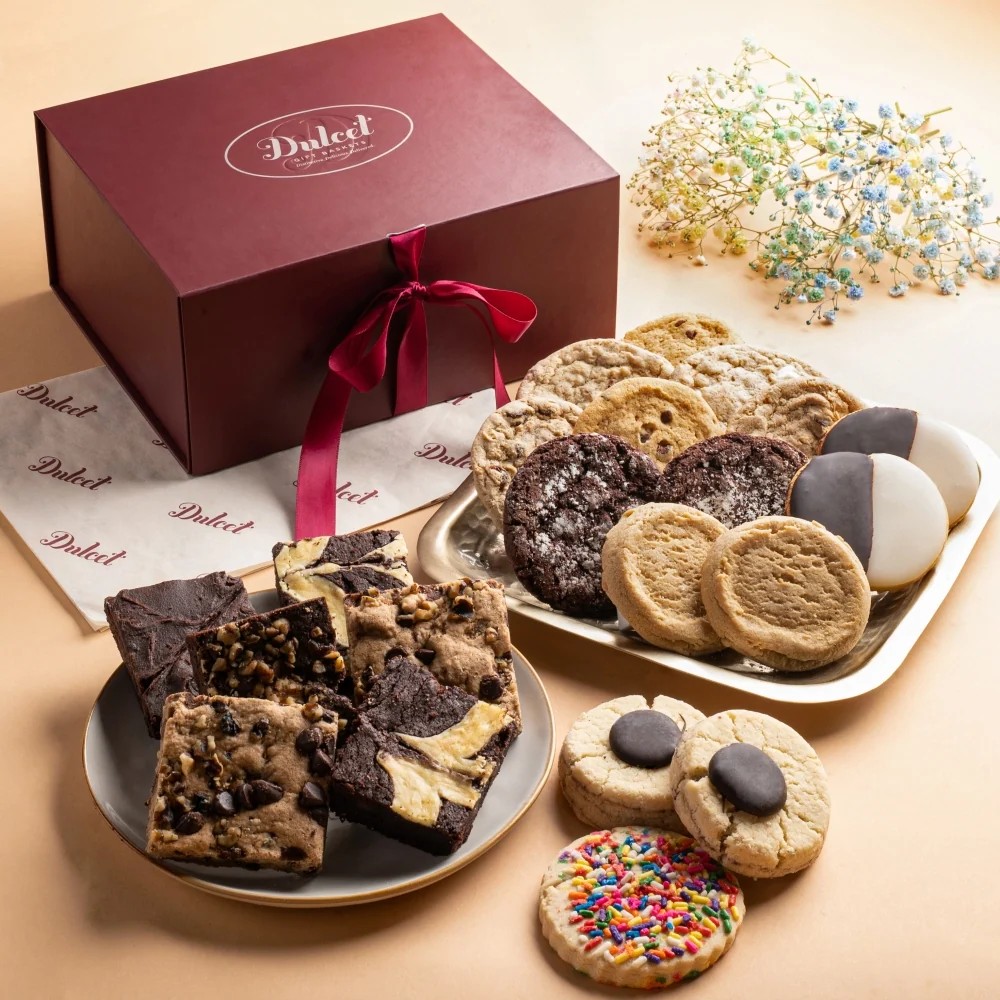
Don’t underestimate the food part. A box of fresh cookies in a hospital room becomes an event. The visiting relatives get some, the night nurse gets one, and suddenly a rotten week has a bright spot in it. Patients remember those little moments long after they’ve forgotten the flowers.
For Recovery at Home
Home recovery is a different animal. Once someone’s discharged, boredom gives way to a more basic problem: nobody in that house is cooking properly. The patient can’t. The spouse is exhausted. Right here is where get well gift baskets earn every penny. Muffins on the counter. Tea in the cupboard. Treats that need no fridge, no prep, no energy. And when the neighbors drop in, which they will, the patient finally has something to put out for them.
Soup counts too, if you’re local enough to carry it over. But baked goods travel, keep for a week on the counter, and don’t demand a working appetite at any particular hour. Recovery appetites are weird. Anybody who’s been through surgery knows the drill: you want cookies at three in the afternoon and nothing at all come dinnertime.
Too far to show up at the door? That’s what ordering is for. Companies like Dulcet Gift Baskets ship hand-packed get well baskets anywhere in the country on two-day delivery, gift message included. Your care lands on a doorstep you can’t get to. That’s the whole point.
Don’t Forget the Caregiver
One more person in this story, and everybody forgets her. The caregiver. The husband asleep in the recliner. The daughter burning vacation days on doctor runs. The neighbor doing school pickups without being asked twice. And what do they get sent? Nothing. Technically they aren’t sick, so they don’t count, apparently. Meanwhile they’re two weeks deep in cafeteria coffee and vending machine dinners, which no spirit survives intact. Caregiving looks heroic from the outside. From the inside it’s mostly fog. Be the one who notices. A small basket addressed to the caregiver by name, with a note that says this one is just for you, tends to produce tears. The good kind.
For Older Neighbors and Relatives
Westchester has no shortage of seniors recovering on their own, and the standard list needs tweaking for them. Go large-print on the puzzle books. Go soft on the baked goods, crumb cake over biscotti, for reasons any dentist will confirm. Go familiar on the flavors, the treats they grew up with land better than anything trendy. And pair the package with a scheduled phone call if you can. When you’re recovering alone, a voice on the phone beats anything that comes in a box. And think about weight. Someone on a walker can’t lift a loaded hamper, so it ends up as furniture in the hallway. Half of kindness is logistics.
A Word About Diet
Surgery comes with eating rules, and half the medications come with more. Not sure what’s allowed? A quick text to a daughter or spouse sorts it out. Otherwise, plain is your friend. Simple baked goods slide past more dietary restrictions than any fancy snack assortment ever will. Kosher households are easy to shop for these days too, certified options are everywhere.
About the Card
Skip get well soon. It’s wallpaper, nobody reads it. Write something with a pulse instead. The whole street’s rooting for you. Bingo night is not the same, hurry back. I’m bringing dinner Thursday whether you like it or not. One real sentence beats a greeting-card paragraph, and gives a bored patient something to actually smile at during hour nine of daytime television. And sign your full name. Patients on painkillers forget which Hendersons. Kids’ drawings tape to hospital walls better than anything from a store, so send those along too.
Timing Counts Twice
Send something small early, in the first day or two. Then put a note in your calendar for three weeks out and send again. Why? Because by then the visitors have dried up and recovery has turned into lonely, boring work. The package nobody saw coming is the one that gets talked about at Sunday dinner for a month. People remember the week-four visitor forever. Three weeks. Set the reminder right now, while you’re thinking about it.
Getting better is slow, unglamorous business. This season especially, with hospitals full and everyone stretched thin, the smallest package does more than you’d think. The kindest thing we can do is make one afternoon of it a little easier. And maybe a little sweeter.