
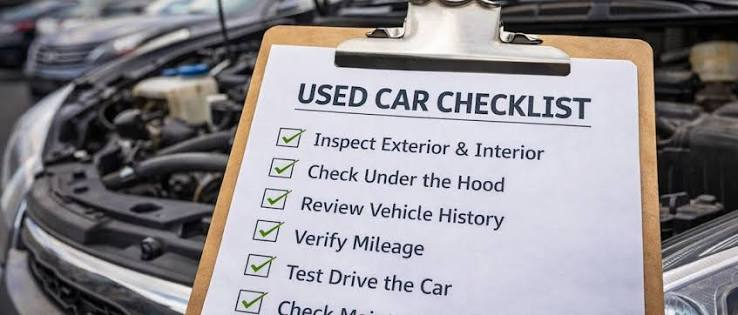
Buying a used car can be a practical way to find a reliable vehicle while managing your budget. However, understanding a vehicle’s background is just as important as checking its appearance, mileage, and price. A vehicle history report provides useful information about previous ownership, reported accidents, title status, service records, and other important details. Buyers exploring certified and pre-owned cars in Roanoke, VA can use these reports to make more informed decisions and identify potential concerns before completing a purchase. Knowing how to compare vehicle history reports can help you evaluate different cars and avoid unexpected problems.
Understanding What a Vehicle History Report Contains
A vehicle history report is a document that collects available information about a particular vehicle using its Vehicle Identification Number (VIN). The VIN is a unique 17-character identification code assigned to most modern vehicles. It allows buyers to access records associated with a specific car rather than relying only on information provided by the seller.
Depending on the reporting provider and available records, a vehicle history report may include ownership information, reported accidents, title records, mileage entries, service history, and previous registration details. Some reports also include information about recalls, theft records, and whether a vehicle was previously used as a rental or fleet vehicle.
Not every report contains the same information. Different providers collect data from different sources, so some details may appear in one report but not another. Understanding these differences is important when evaluating multiple vehicles.
Check the Vehicle Identification Number First
Before comparing vehicle history reports, make sure each report belongs to the correct vehicle. Start by locating the VIN on the car and comparing it with the number shown in the report.
The VIN is commonly displayed on the driver’s side dashboard near the windshield and on a label inside the driver’s side door area. It may also appear on the vehicle’s registration documents and title paperwork.
Even a small difference in the VIN can result in reviewing information for an entirely different vehicle. Therefore, buyers should verify the number carefully before trusting any report.
It is also useful to check whether the VIN appears consistent across the vehicle and its documents. Missing, altered, or mismatched identification details may require further investigation before moving forward with a purchase.
Compare Accident and Damage Records
Accident history is one of the most important sections to examine when comparing vehicle history reports. A previous collision does not automatically make a used car unsuitable, but the type and extent of damage can influence its safety, reliability, and resale value.
Look for information about reported accidents, collision dates, damage locations, and any available details about the severity of the incident. Front-end collisions, structural damage, and airbag deployments deserve particular attention because they may involve important vehicle components.
If two reports provide different accident information, investigate the reason for the discrepancy. One provider may have access to insurance records or repair information that another does not.
Remember that not every accident appears in a vehicle history report. Minor repairs completed privately or damage that was never reported may be missing. A professional inspection can help identify signs of previous repairs that are not documented.
Review Title Status and Ownership Records
A vehicle’s title history provides important information about its legal and ownership background. Buyers should pay close attention to any title brands that may indicate previous damage or unusual circumstances.
A clean title generally means that the vehicle has not received certain major title designations from the relevant authority. However, it does not guarantee that the car has never been damaged or involved in an accident.
A salvage title may indicate that an insurance company previously considered the vehicle a total loss. A rebuilt title generally means that a previously salvaged vehicle has undergone repairs and met applicable requirements for returning to the road. Flood-damaged vehicles may also carry specific title brands.
Ownership records can provide additional context. Compare the number of previous owners, ownership periods, and registration locations when that information is available.
Frequent ownership changes over a short period may justify additional questions. However, there can be reasonable explanations, so buyers should consider the complete history rather than making decisions based on ownership numbers alone.
Examine Mileage Records for Inconsistencies
Mileage is an important factor when evaluating a used car because it provides an indication of how much the vehicle has been driven. However, the odometer reading should always be checked against available historical records.
A vehicle history report may show mileage entries from inspections, maintenance visits, registration renewals, or other recorded events. Compare these entries with the current odometer reading to identify inconsistencies.
For example, if an older record shows a higher mileage than the vehicle currently displays, it could indicate odometer tampering or an incorrect data entry. Either situation deserves further investigation.
A sudden increase in mileage is not necessarily a problem, particularly if the vehicle was used for frequent highway travel. What matters is whether the recorded figures follow a logical pattern.
Buyers should also remember that lower mileage does not automatically mean better condition. A vehicle that has spent long periods unused may have battery, tire, or fluid-related issues.
Compare Available Maintenance and Service Records
Maintenance history can help buyers understand how well a previous owner cared for a vehicle. Regular servicing, timely oil changes, and documented repairs may indicate responsible ownership.
When comparing reports, look for recorded maintenance visits, component replacements, and major repair work. Pay attention to repeated repairs involving the engine, transmission, cooling system, or electrical components.
A well-maintained vehicle may have a more reassuring history than another car with similar mileage but limited service documentation.
However, missing maintenance records do not necessarily mean that a vehicle was neglected. Some owners use independent repair shops that do not share information with vehicle history providers. In these situations, buyers can request receipts, service invoices, or other maintenance documents directly from the seller.
Comparing available records with the manufacturer’s recommended maintenance schedule can also help identify overdue services.
Look for Flood, Fire, and Other Environmental Damage
Environmental damage can create long-term problems that are difficult to identify during a quick inspection. Flood exposure, in particular, may affect electrical systems, interior materials, mechanical components, and vehicle safety features.
Check whether either report mentions flood damage, fire incidents, water exposure, or other environmental concerns. Pay attention to the dates and locations associated with these records.
A vehicle that was registered or located in an area affected by significant flooding may deserve additional inspection, even if the report does not explicitly identify water damage.
During an in-person inspection, unusual interior odors, corrosion, moisture beneath carpets, and electrical malfunctions may indicate previous water exposure. A qualified mechanic can investigate these warning signs more thoroughly.
Understand Recalls and Outstanding Safety Issues
Recall information is another important section when reviewing vehicle history reports. Manufacturers issue recalls when certain vehicle components or systems are found to have safety-related defects or fail to meet applicable requirements.
A report may identify previous recalls, but it may not always confirm whether the necessary repairs were completed. Buyers should verify the vehicle’s current recall status using the manufacturer’s official recall service or the National Highway Traffic Safety Administration (NHTSA) VIN lookup.
Unresolved recalls should be discussed with the seller before purchasing the vehicle. Many safety recall repairs are performed without charge by authorized dealerships, although buyers should confirm the applicable arrangements.
Checking recall information helps ensure that important safety concerns are not overlooked during the buying process.
Compare Information From More Than One Provider
Using more than one vehicle history reporting provider can help buyers develop a broader understanding of a car’s background. Services such as CARFAX and AutoCheck collect information from different databases and reporting sources.
One report may include an accident entry, while another may provide additional ownership or mileage information. Comparing the available details can reveal inconsistencies that deserve further investigation.
However, purchasing multiple reports does not guarantee a complete history. Both services depend on the records available to them, and unreported events may remain undiscovered.
When information conflicts, contact the reporting provider if necessary and ask the seller for supporting documentation. Avoid assuming that the more favorable report is automatically the accurate one.
Combine History Reports With a Professional Inspection
A vehicle history report should support the buying process, not replace a physical inspection. Even a detailed report cannot confirm the current condition of every mechanical or electrical component.
Before completing a purchase, consider arranging an independent pre-purchase inspection with a qualified mechanic. The inspection should cover the engine, transmission, brakes, suspension, tires, steering, electrical systems, and visible structural components.
A professional may also identify signs of previous collision repairs, fluid leaks, corrosion, or mechanical problems that do not appear in the available records.
Taking the vehicle for a test drive provides another opportunity to evaluate its handling, braking response, engine performance, and overall comfort.
Make a More Informed Used Car Buying Decision
Comparing vehicle history reports is an important step toward purchasing a used car with greater confidence. Checking accident records, title status, ownership history, mileage entries, maintenance documentation, and recall information can help identify potential concerns before committing financially.
However, no report provides a complete guarantee of a vehicle’s condition. Buyers should combine historical information with a professional inspection, supporting maintenance documents, and a thorough test drive.
Taking time to investigate each vehicle can help you compare available options more effectively, understand their potential risks, and choose a used car that meets your expectations for reliability, safety, and long-term value.