
Long Island, New York, has some of the busiest roads in the state, from the Long Island Expressway to local streets connecting Nassau and Suffolk counties. When a collision interrupts a trip, injured drivers may face medical care, missed work, vehicle repairs, and an insurance company seeking answers at the same time. The pressure can be difficult when the extent of an injury or financial loss is still uncertain. After a car crash, an insurer can quickly contact an injured driver, request statements, and discuss payment. Those early conversations can shape the claim if facts remain unclear or injuries develop.
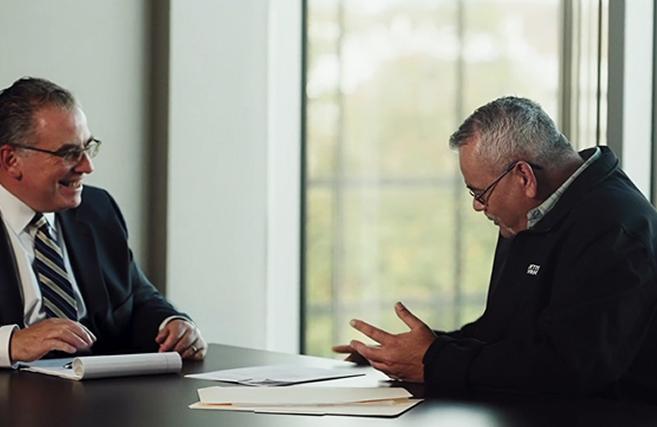
A lawyer who handles collision cases manages communications, reviews evidence, and tracks deadlines while the insurer evaluates liability. Working with a car accident attorney can also give an injured person room to focus on treatment rather than responding alone to repeated insurance requests. That process keeps settlement negotiations tied to documented losses and legal rights. This protection starts with the first contact from the insurer.
Controlling Early Communications
An insurer’s first call can shape the record used to evaluate a claim. Questions about speed, lane position, prior symptoms, or daily activities can sound routine but carry legal significance.
After a collision, early conversations with an insurer create a record that can affect questions about fault, treatment, and damages. A car accident attorney reviews what a client should disclose and keeps claim negotiations tied to documented facts. That control reduces the risk that insurers will treat casual remarks as admissions about liability, injuries, or the full extent of losses.
Insurance companies often ask injured drivers for recorded statements soon after a collision. The attorney handles those communications directly and identifies statements that need clarification. That gives the client more control while medical treatment and recovery remain the immediate concerns.
Early contact also creates pressure to describe injuries before doctors finish evaluating them. Symptoms can change. Treatment can expand. Medical records can add facts that were unclear during the first call.
Testing The Insurer’s Valuation
A settlement figure often depends on the evidence available when the insurer reviews the claim. Medical records, wage documentation, repair records, photographs, and crash reports can support different parts of the demand.
A lawyer compares those records with the insurer’s position and identifies missing losses or disputed facts. The review also separates documented expenses from damages that require further proof.
Lost income requires more than a statement that the victim missed work. Pay records, employer documentation, and medical restrictions can establish the connection between the injury and reduced earnings.
Property damage records can clarify how the collision occurred. Photographs and repair estimates help preserve physical evidence when vehicles get repaired or moved after the crash.
Keeping Liability Evidence Intact
Fault disputes often rely on details that disappear quickly. Witness accounts, vehicle damage, roadway conditions, traffic signals, and available video can become harder to verify later.
An attorney can organize this evidence before memories fade or records become difficult to obtain. That preparation gives settlement negotiations a factual basis rather than relying on assumptions from the first phone call.
A collision file should also preserve photographs taken soon after the crash. Images of vehicle positions, visible injuries, road conditions, and property damage can support later questions about liability and losses.
Protecting Clients During Negotiations
Insurers sometimes seek a quick release before the full impact of an injury becomes clear. Signing a release can affect the ability to seek additional compensation for covered losses.
A lawyer reviews proposed settlement terms, explains which rights the document affects, and identifies unresolved issues. The client can then decide with a clearer view of the claim’s documented value.
Settlement negotiations also require attention to what the payment resolves. Review a proposed amount alongside medical expenses, wage losses, property damage, and disputed liability issues.
Enforcing Deadlines And Claim Requirements
Car accident claims also involve legal deadlines and procedural requirements. Missing a deadline can limit a person’s ability to pursue compensation, regardless of the underlying facts.
Counsel tracks applicable filing dates, preserves supporting records, and monitors insurer responses. This administrative control prevents negotiations from replacing the steps required to preserve the underlying legal claim.
Store insurance correspondence with the rest of the case file. Keeping letters, emails, estimates, medical records, and payment proposals together makes changes in the insurer’s position easier to identify.
Building A Clear Claim Record
A well-organized claim record connects each demand to evidence. Medical treatment should match the dates in medical records, while wage losses should match payroll or employer records.
The same approach applies to liability. Witness statements, photographs, crash reports, and other records should support the version of events presented during negotiations.
That organization also helps identify gaps before they become disputes. A missing document is easier to address before a settlement negotiation than after agreeing to the terms.
Conclusion
Insurance pressure often increases when an injured person faces medical bills, lost income, and uncertainty after a collision. Legal representation changes who manages the insurer, how lawyers present the evidence, and how they review settlement terms. The next practical step is to preserve crash records, keep medical documentation, and avoid detailed statements about fault until you receive legal guidance. Early organization gives the claim a clear factual record for every later discussion.