
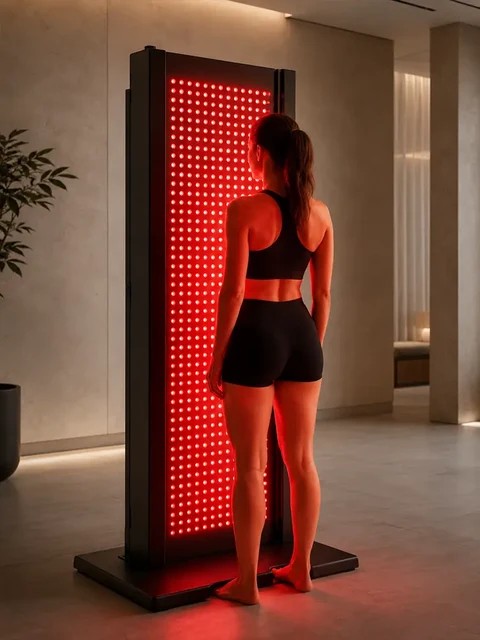
The wellness landscape has shifted dramatically over the past few years. Modern self-care is no longer limited to basic skincare regimens or sporadic spa visits; instead, people are actively looking for science-backed, repeatable daily habits that enhance long-term vitality, cellular recovery, and everyday performance. Among the modern wellness innovations capturing global attention, photobiomodulation commonly known as red light therapy has emerged as a frontrunner.
Once confined exclusively to specialized dermatology clinics and elite athletic recovery centers, this non-invasive modality has become widely accessible for everyday households. However, before investing in equipment and integrating sessions into your daily schedule, it is vital to understand how it functions, what benefits it offers, and how to choose the right tools.
Understanding the Science: How Red Light Therapy Works:
To appreciate why red light therapy has become a cornerstone of daily wellness, it helps to look at the underlying cellular biology. Our bodies are remarkably responsive to specific wavelengths of light. Red light therapy typically utilizes low-level wavelengths in the red and near-infrared spectrum (usually ranging from 600 to 850 nanometers).
When these specific wavelengths penetrate the skin’s surface, they are absorbed by the mitochondria often referred to as the powerhouse of our cells. This cellular absorption stimulates adenosine triphosphate (ATP) production. Because ATP is the primary energy currency driving cellular function, boosting its production helps cells repair themselves more efficiently, reduce oxidative stress, and optimize overall tissue performance.
Unlike ultraviolet (UV) light, which causes skin damage and premature aging, red light is completely non-thermal and non-damaging. It works gently from the inside out, making it an ideal practice for consistent, long-term use.
Key Benefits of Incorporating Light Therapy Into Your Lifestyle:
Integrating regular sessions into your daily routine offers a wide array of compounding benefits that support both physical recovery and aesthetic vitality:
Enhanced Muscle Recovery & Reduced Fatigue: For active individuals and fitness enthusiasts, supporting post-workout recovery is crucial. Regular exposure helps soothe minor muscle soreness, eases joint stiffness, and accelerates the body’s natural recovery cycle after strenuous physical activity.
Radiant, Healthy Skin: Red light wavelengths stimulate natural collagen and elastin production. This helps diminish the appearance of fine lines, improves skin tone and texture, and promotes a healthy, youthful glow without harsh chemicals or invasive procedures.
Improved Cellular Vitality & Energy: By supporting mitochondrial function, consistent sessions help combat daily fatigue, promoting a greater sense of overall physical readiness and vitality.
Optimized Rest and Relaxation: Unwinding with a soothing light session in the evening can become a powerful psychological and physiological anchor, helping transition the body from a high-stress state into deep relaxation.
Making It Part of Your Daily Rhythm: The Recovery Cycle:
A successful wellness routine is built on consistency rather than extreme, sporadic efforts. The most effective approach treats wellness as a continuous cycle of preparation, recovery, and repetition:
Prime: Preparing your body and mind for daily demands through mindful habits and targeted self-care.
Recover: Utilizing supportive modalities to help tissues bounce back after stress, workouts, or long hours at a desk.
Repeat: Returning to these habits consistently to compound your health gains over time.
When individuals explore high-grade options for red light therapy for home use, they unlock the ability to maintain this rhythm effortlessly in their own space. Having a dedicated device at home eliminates the friction of scheduling appointments or commuting to specialized clinics, making consistency much easier to achieve.
What to Look for When Choosing a Home Device
If you have decided to introduce this powerful modality into your household, selecting the right equipment is critical. Not all consumer light devices are created equal, and keeping a few key factors in mind will ensure you get maximum value and safety:
Wavelength Precision: Ensure the device emits clinically studied wavelengths, typically combining red light (around 660nm) for surface skin benefits with near-infrared light (around 850nm) for deeper tissue penetration.
Irradiance (Power Output): High irradiance ensures that the light delivers sufficient energy density to your skin and muscles within a reasonable session time (usually 10 to 15 minutes per area).
Safety Standards and Certifications: Look for devices backed by rigorous industry standards, quality management certifications (such as ISO standards), and safety recognitions to guarantee durability and user protection.
Best Practices for Optimal Results:
To get the most out of your sessions, keep these practical tips in mind:
- Consistency Over Duration: Doing shorter sessions 4 to 5 times a week yields far better cumulative results than doing one prolonged session every fortnight.
- Bare Skin Contact: Position yourself at the manufacturer-recommended distance (typically 6 to 12 inches) with bare skin exposed to the light for maximum absorption.
- Listen to Your Body: Pay attention to how your skin and body respond, and gradually build your routine into a relaxing daily ritual.
Conclusion:
Adding photobiomodulation to your self-care regimen is a proactive step toward elevated vitality, smoother skin, and faster physical recovery. By understanding the underlying science, establishing a consistent daily rhythm, and choosing quality equipment designed for daily living, you can transform your home into a personal sanctuary of wellness. Embrace the power of light, maintain consistency, and enjoy the lifelong benefits of a well-supported body.