
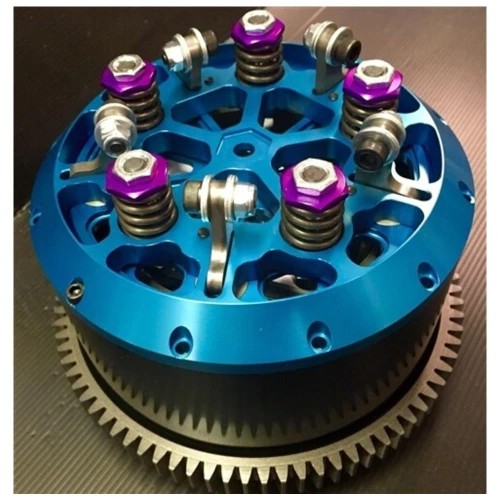
Parts for high-performance sportbikes need to be designed to withstand the mechanical stress, heat, and speed of the bike. A replacement component may fit the frame yet fail under repeated launches, hard braking, or extended track sessions. There is more to dependable sourcing than just looking at costs.
Riders must confirm model compatibility, material quality, supplier information, and intended use before ordering. Ensuring the engine’s protection, improving consistency, and preventing costly mechanical failures during road or competition riding can all be achieved through a meticulous process.
Confirm Exact Motorcycle Details
The first step is recording the motorcycle’s year, generation, engine configuration, and current modifications. Hayabusa parts can differ across model years, even when body shapes appear similar. A clutch component, sensor, fairing bracket, or exhaust mount may use different dimensions or connectors.
Before shopping for one, the owner should photograph the existing part and note its markings. The service manual can confirm original specifications, torque values, and required hardware. This information reduces returns and helps identify parts that work with existing upgrades.
Buyers searching Hayabusa parts for sale should compare each listing with the bike’s generation and performance goal. Product categories can include braking, clutch, drive, engine, cooling, fuel, intake, suspension, turbo, and electrical components. That range helps owners build a compatible plan instead of mixing random parts. The best selection still depends on measurements, specifications, installation requirements, and intended riding conditions.
Match Parts to Riding Demands
Drag racing and frequent track sessions can put a strain on components that are meant for casual street use. Brake pads, chains, sprockets, clutch springs, cooling equipment, and engine hardware should match the motorcycle’s actual workload.
For example, a heavier-duty chain may suit increased power, while a different combination can change acceleration and cruising speed. A high-flow fuel component may require electronic tuning. Choosing one upgrade without checking related systems can create poor starting, excess heat, or unstable power delivery.
Evaluate Supplier Information
A reliable seller provides more details than just a product photograph and a short title. Size, material, fitment, included hardware, and known limitations are all helpful details to have listed. Clear instructions also show whether installation requires special tools, tuning, or professional measurement.
Customer support matters because performance parts often interact with other systems. A knowledgeable representative should explain compatibility without promising results that the product cannot deliver. Published contact information, return terms, and warranty details add practical protection before payment.
Buyers should also distinguish new parts from used, refurbished, or surplus stock. You might get a good deal on used parts, but be wary of electrical connectors, bearings, seals, and transmission components that have hidden wear. A low purchase price loses value if inspection, machining, or replacement follows soon afterward.
Inspect Quality Before Installation
Every received component deserves inspection before it reaches the motorcycle. Check threads for damage, surfaces for corrosion, connectors for bent pins, and seals for deformation. Compare the item with the original part and verify dimensions against the manufacturer’s information.
Fasteners require special attention. Incorrect length, thread pitch, or grade can damage cases, loosen under vibration, or compromise structural areas. Stainless hardware may resist corrosion, yet it is not automatically suitable for every engine or frame location. The service manual should guide torque settings and thread treatment.
For internal engine parts, visual inspection is only a beginning. Clearances, ring gaps, bearing measurements, and surface condition often require calibrated tools. A qualified technician can identify problems that remain invisible during a quick garage check.
Plan Related Modifications
Performance gains depend on balanced systems. A larger exhaust may need fuel correction. Stronger clutch springs can increase lever effort. A longer swingarm can improve launch stability while changing handling and wheelbase behavior.
Before ordering, the owner should map the proposed change to its supporting requirements. Include gaskets, seals, fluids, wiring, brackets, tuning, and replacement fasteners in the budget. This approach prevents a partly completed repair and reveals the project’s true cost.
Installation timing also matters. Critical components should be fitted during a planned service interval, with enough time for testing. Rushed work encourages skipped checks, misplaced connectors, and incorrect torque. A written checklist keeps the process controlled.
Test Methodically After Fitting
The first test should occur at low speed and moderate engine load. Check for leaks, warning lights, unusual noise, vibration, poor throttle response, and shifting problems. After the motorcycle cools, inspect fasteners and fluid levels again.
A short road test can confirm basic operation, but performance use requires a gradual increase in load. Record temperatures, pressure readings, fuel behavior, and any change in handling. Data helps separate normal adjustment from a developing fault.
If an electronic change is involved, tuning should follow the correct procedure for that motorcycle. Guesswork can create lean operation, detonation, or excessive exhaust temperature. Professional measurement is often cheaper than repairing damage caused by unverified settings.
Conclusion
Reliable aftermarket sourcing begins with accurate motorcycle details and ends with measured testing. Owners should choose parts according to riding demands, verify fitment, inspect received components, and account for supporting modifications. Service documentation ensures safe and repeatable installation, while supplier transparency provides useful protection.
A disciplined process supports stronger performance without sacrificing reliability. Each purchase then becomes part of a coherent mechanical plan, giving the sportbike a better chance to perform consistently under demanding conditions.