
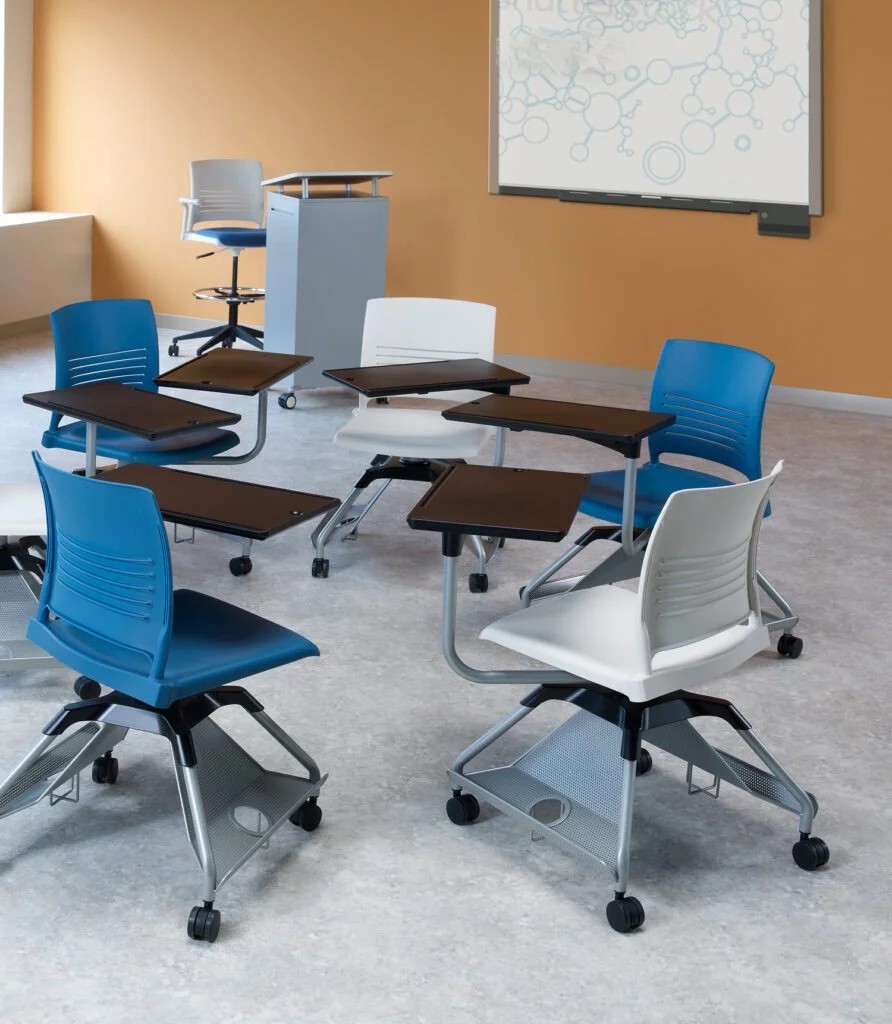
Hybrid offices in 2026 need furniture that accommodates focused work, video meetings, collaboration, and short periods of quiet recovery. Rows of permanent desks no longer fit every employee or schedule. Many companies now favor movable tables, ergonomic chairs, acoustic treatments, and personal storage.
These decisions influence comfort, space use, and productivity. A sound plan starts with employee routines, office attendance, and areas that need frequent changes throughout the week.
Local conditions also shape workplace planning. Tampa businesses often manage compact offices, expanding teams, warm weather, and varied client expectations. A useful source for reviewing current options is office furniture in Tampa, Florida, where businesses can compare desks, chairs, workstations, storage, reception pieces, and conference furnishings. Visiting a showroom lets teams assess dimensions, materials, finishes, and comfort before committing to a major purchase.
Flexible Workstations Support Weekly Change
Hybrid schedules create uneven demand for desks. A company may have fewer assigned seats than employees while still needing enough capacity during busy periods. Bench workstations, shared desks, and mobile tables make it easier to adjust floor plans without the added hassle of new construction.
Height-adjustable desks also appeal to employees who alternate between sitting and standing frequently. Strong models provide stable surfaces, uncomplicated controls, and enough depth for monitors, notebooks, and accessories. Cable management deserves attention because loose cords create clutter and trip risks.
Before ordering desks, teams should measure real usage. Room bookings, badge records, and manager observations can show which areas stay busy. That evidence helps prevent costly seating from occupying space that receives little use.
Ergonomics Becomes a Daily Requirement
Comfort affects concentration, attendance, and long-term health significantly. Office chairs should include adjustable seat height, lumbar support, armrests, and back tension. Workers also need freedom to change posture while remaining properly supported.
Monitor placement matters just as much. Screens should sit near eye level, while keyboards and pointing devices should remain close enough to prevent repeated reaching. Deeper desks help employees position multiple displays more comfortably.
A careful purchasing process includes hands-on testing in the real world. Brief trials can show whether a chair suits different body types, clothing, and work habits. Adjustable products generally serve more people than furniture built around one fixed posture.
Acoustic Control Protects Focus
Open offices encourage communication, yet nearby conversations and video calls can disrupt concentrated tasks. Acoustic panels, privacy screens, upholstered dividers, and enclosed phone areas help control sound without making the workplace feel closed.
Materials affect results. Fabric panels absorb noise, while solid partitions provide stronger visual separation. Ceiling treatments can also help rooms with hard floors, glass, and exposed surfaces. Each option should suit the room’s size, ceiling height, and main activities.
Quiet zones belong away from busy walkways, printers, kitchens, and reception areas. Clear signs and simple booking rules encourage considerate use.
Meeting Areas Need More Variety
One large conference room cannot serve every type of discussion. Hybrid offices benefit from formal meeting rooms, small huddle areas, phone booths, and informal lounge settings. Each space needs furniture matched to its purpose.
Tables with casters allow quick changes for workshops and project reviews. Conference tables need room for displays, documents, and personal devices. Lounge seating works well for brief conversations if its height still supports laptops and writing.
Technology placement should influence furniture choices. Cameras need an unobstructed view, displays must remain visible from every seat, and power outlets should be conveniently accessible to reach. Attention to these details reduces meeting delays.
Storage and Reception Still Matter
Fewer assigned desks can create new storage concerns. Personal lockers, mobile pedestals, shared cabinets, and labeled shelving protect work materials without filling every station with drawers. Storage should remain close to its users, while confidential files require controlled access.
Reception areas also shape visitors’ first impressions. A welcoming desk, durable seating, practical lighting, and clear circulation help people move through the office comfortably. Lounge pieces should offer different sitting positions without blocking entrances or emergency routes.
Conclusion
Hybrid work is shifting office furniture decisions from permanent purchases toward ongoing space planning. Adaptable desks, supportive chairs, acoustic treatments, varied meeting areas, and efficient storage help workplaces serve different schedules.
Tampa companies should review attendance patterns, room measurements, technology requirements, and expected growth before ordering products. A thoughtful setup gives teams room to focus, connect, and adjust while preserving comfort, safety, and a professional presentation.