
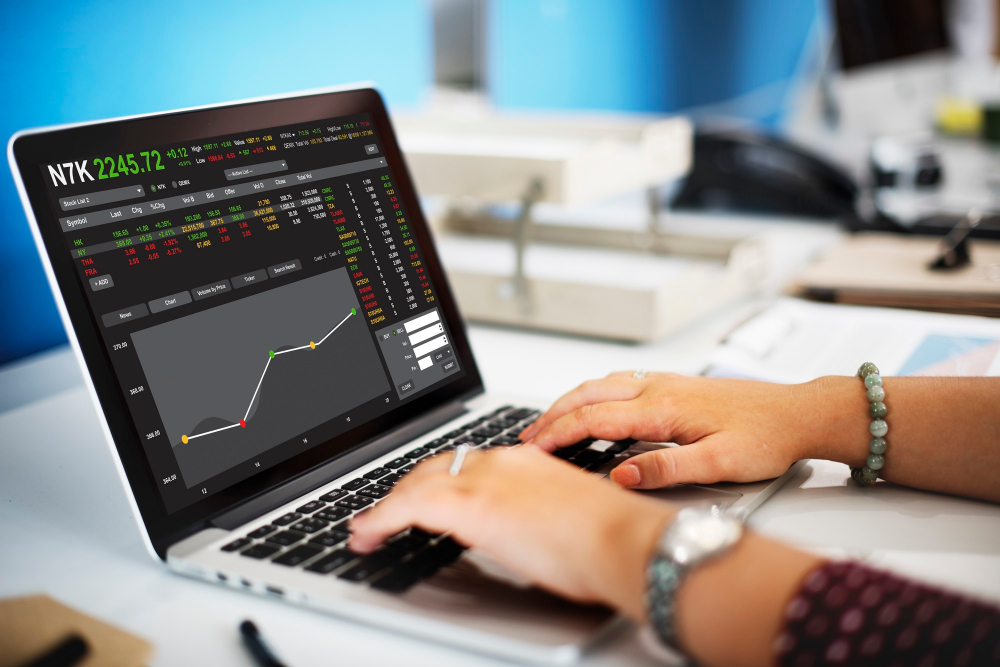
The forex market fluctuates every minute, but the causes of the fluctuation are not always visible. Most traders find that a currency pair increases or decreases in a few seconds and have a hard time trying to figure out how it happened. Consequently, they might get into trades when it is late, be emotionally responsive, or fail to notice significant market indicators.
In most instances, economic announcements and global events are associated with the largest price movements. Yet it is not enough to go by the headlines. You must also know how traders perceive the news and why markets react differently to similar events.
Understanding the influence of forex news on the price of currencies will enable you to engage in more effective trading and risk management.
Let’s explore the key ways news shapes the forex market.
1. Shape Market Expectations Before Economic Releases
Before the release of a significant economic announcement, the price of the currency tends to start moving. This is because traders make their expectations based on forecasts, previous reports, and comments made by central bank officials. This leads to numerous trading decisions being taken prior to the release of the actual data.
Adherence to trusted forex news helps traders know what the market anticipates. As an example, when analysts anticipate an increase in interest rates, traders might begin to purchase the currency of that country beforehand. Thus, prices tend to change prior to the announcement.
However, forecasts are not always accurate. When the actual data differs from expectations, traders quickly change their positions. Such an abrupt change has the ability to shift the currency prices and provide new trading opportunities.
2. Trigger Immediate Price Reactions After News Announcements
Once important economic data is released, the forex market reacts very quickly. Banks, large investors, and trading systems analyze the new information within seconds. As a result, currency prices can change sharply in a short time.
High-impact news includes interest rate decisions, inflation reports, employment data, and gross domestic product (GDP) figures. These reports show how well an economy is performing. Based on the results, traders decide whether to buy or sell a currency.
The market reaction depends on how the actual data compares with expectations. Better-than-expected results can strengthen a currency. Weaker results may cause prices to fall. This is how new economic information quickly influences currency market movements.
3. Increases Volatility Across Currency Pairs
Major news releases often lead to higher market volatility. During these periods, currency pairs may experience larger price swings than they do under normal trading conditions. While this creates opportunities, it also increases risk.
Volatility tends to rise because traders respond to new information at the same time. Large trading volumes, combined with rapid changes in market sentiment, can produce sharp upward and downward movements. In some cases, prices may fluctuate significantly before settling into a clearer direction.
Not every currency pair reacts equally. Pairs that include the currency linked to the news event generally experience the strongest movements. For instance, economic data from the United States often has a noticeable impact on USD-related currency pairs because of the US dollar’s role in global finance.
Understanding periods of high volatility allows traders to prepare their strategies more effectively. They may choose to reduce position sizes, adjust risk management plans, or wait until market conditions become more stable.
4. Change Trader Sentiment and Market Direction
Market sentiment reflects how traders collectively feel about current and future economic conditions. News plays a major role in shaping that sentiment because it influences expectations about growth, inflation, monetary policy, and financial stability.
Positive economic developments generally improve confidence in a country’s currency. For example, stronger employment data or higher-than-expected economic growth may encourage investors to increase exposure to that currency. In contrast, disappointing reports can reduce confidence and shift demand toward currencies viewed as more stable.
Sentiment can also be influenced by geopolitical developments, policy changes, or unexpected global events. Even if economic data remains unchanged, new information may alter traders’ outlook and change the overall market direction.
Because sentiment develops continuously, traders often monitor multiple news events instead of focusing on a single announcement. This broader perspective provides a clearer understanding of why market trends evolve over time.
5. Drive Short-Term Fluctuations and Long-Term Currency Trends
Forex news influences markets over different time horizons. Some announcements create immediate price movements that last only a few minutes or hours. Others contribute to broader trends that develop over weeks or even months.
Short-term fluctuations usually occur after scheduled economic releases or unexpected news events. Traders respond quickly, creating temporary price swings as the market processes new information. These movements may fade once initial reactions settle.
Long-term trends, however, are often driven by consistent economic performance and ongoing policy decisions. Repeated improvements in inflation, employment, or economic growth can strengthen a currency over time. Likewise, prolonged economic weakness or continued policy easing may place lasting downward pressure on a currency.
Recognizing the difference between short-term reactions and long-term trends helps traders avoid confusing temporary volatility with lasting market direction. This balanced approach supports more informed trading decisions.
Conclusion
Forex news plays a central role in shaping currency market movements because it influences expectations, price reactions, volatility, trader sentiment, and longer-term trends. Understanding these connections helps you interpret market behavior instead of simply reacting to price changes.
At the same time, it allows you to prepare for important economic events and manage risk more effectively. While no news event guarantees a specific outcome, knowing how the market typically responds can improve your decision-making process.
By following reliable economic updates and understanding their broader impact, you can develop a more informed approach for navigating the constantly changing forex market.