
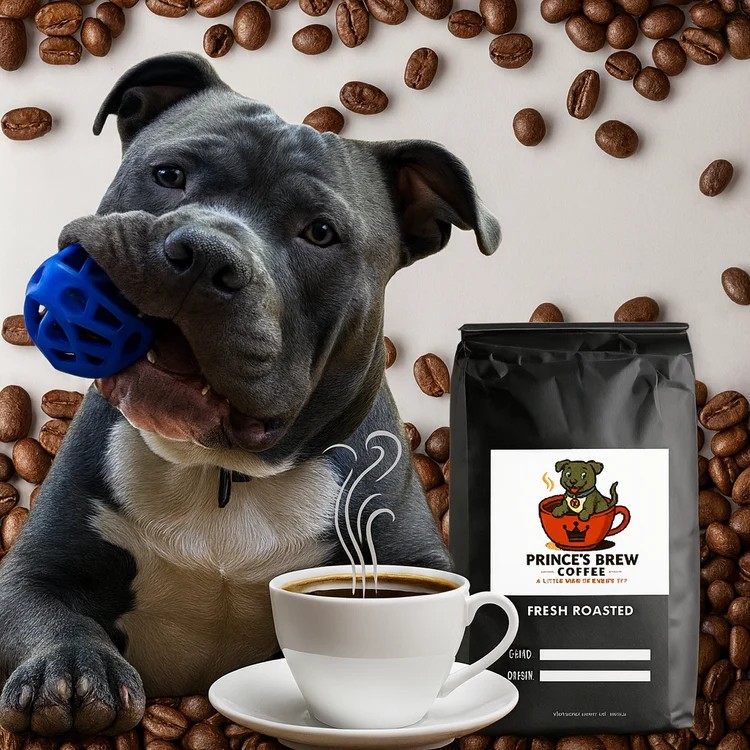
Buying coffee can be a simple daily decision, but it can also support farmers, communities, environmental programs, and charitable organizations. Many companies use terms such as ethical, sustainable, fair, or mission-driven, yet those labels do not always mean the same thing. A truly ethical coffee brand should be able to explain where its beans come from, how growers are compensated, and what happens to any money promised to charitable causes. Consumers need to look beyond attractive packaging and broad claims to understand whether their purchase creates meaningful benefits. With a little research, it is possible to find coffee that tastes good while supporting responsible business practices.
Decide What Giving Back Means to You
The phrase “gives back” can refer to several different types of social or environmental impact. One coffee company might donate a portion of sales to animal shelters, while another may invest directly in farming communities. Some brands fund clean water projects, education, reforestation, food assistance, or programs for veterans. Before comparing companies, decide which causes matter most to you and what kind of impact you want your purchase to support. Having a clear priority makes it easier to evaluate brands without being distracted by vague marketing language.
You may want your coffee purchase to support:
- Fair compensation for coffee farmers
- Animal rescue organizations
- Clean water and sanitation projects
- Environmental conservation
- Community development programs
- Veterans, first responders, or military families
- Hunger relief and food access
- Women-owned farming cooperatives
There is no single cause that makes one brand more ethical than every other option. The important question is whether the company clearly explains its mission and demonstrates that its actions match its promises. A business that supports a smaller, focused initiative may create more measurable impact than a larger company that makes broad but unclear claims. Consumers should consider both the type of cause and the transparency of the donation program. A well-defined mission is usually easier to verify than a general promise to make the world better.
Look for Specific Donation Details
A trustworthy giving program should explain how much money is donated and how the donation is calculated. Statements such as “a portion of proceeds” provide very little information because the portion could be extremely small. Stronger programs usually identify a fixed amount per purchase, a percentage of sales, or a percentage of profits. Some brands also publish minimum annual commitments or total donation figures. The more specific the company is, the easier it becomes to evaluate the actual value of your purchase.
Pay attention to the difference between sales, revenue, proceeds, and profits. A company donating 5% of sales is making a different commitment from one donating 5% of profits because profits are calculated after business expenses. Neither approach is necessarily dishonest or ineffective, but the language should be clear. You should also determine whether the donation applies to every product, only certain blends, or purchases made through a specific link. An ethical coffee brand should make these conditions easy to find rather than hiding them in fine print.
Confirm Which Organizations Receive Support
Responsible coffee companies often identify the nonprofits, cooperatives, or community organizations receiving their support. Naming these partners allows customers to research their work and confirm that the relationship appears genuine. It also gives the benefiting organization valuable visibility, which can lead to direct donations and volunteer support. If a company claims to support communities but does not name any specific partners, you may want to investigate further. Transparency about beneficiaries is one of the strongest signs that a giving program is more than a marketing strategy.
Review the partner organization’s website or social media pages to see whether the relationship is acknowledged from both sides. Nonprofits frequently thank corporate partners, share fundraising campaigns, or report the results of collaborations. Keep in mind that smaller charities may not update their websites frequently, so the absence of a public announcement is not always proof that the partnership is false. However, brands should still be able to provide clear information about who receives the donations. Companies that rotate beneficiaries should state how often partners change and how they are selected.
Evaluate How the Coffee Is Sourced
A company can donate to a good cause while still purchasing coffee through practices that provide limited benefits to farmers. That is why charitable giving should not be the only factor you consider. Look for information about sourcing relationships, pricing practices, producer partnerships, and supply chain transparency. Some companies purchase directly from farms or cooperatives, while others rely on importers that specialize in responsibly sourced beans. The strongest brands explain how their purchasing decisions help growers build stable and sustainable businesses.
Certifications may offer useful guidance, but they should not replace research. Fairtrade, Rainforest Alliance, USDA Organic, and other certification programs each focus on different standards. Certification can provide third-party oversight, although small farms may follow responsible practices without being able to afford every certification process. Some roasters publish detailed sourcing reports that go beyond basic certification requirements. An ethical coffee brand should be willing to explain its standards in language that ordinary customers can understand.
Check Whether the Brand Reports Its Impact
Impact reporting shows customers what a giving program has accomplished over time. Reports may include total dollars donated, number of projects funded, meals provided, trees planted, or animals supported. Even a small company can share annual updates, receipts, partner stories, or fundraising totals. These details demonstrate that the business tracks its commitments instead of making unsupported claims. Consistent reporting also allows customers to see whether the company’s impact is growing.
Be cautious when a company uses emotional stories without providing any measurable information. Personal stories can help people understand the importance of a cause, but they should be supported by facts. Look for recent dates, named partners, donation amounts, and project outcomes whenever possible. Older impact reports are still useful, but they may not reflect the current giving program. A company that has not published an update in several years may have changed or discontinued its charitable activities.
Consider Coffee Quality and Freshness
Supporting a cause does not mean you should accept poor-quality coffee. A sustainable giving program depends on repeat customers, which means the product needs to be enjoyable enough for people to purchase regularly. Review the roast date, bean origin, flavor notes, roast level, and recommended brewing methods. Freshly roasted coffee typically provides better flavor than products that have been stored for long periods. A reputable company should offer enough information to help you choose coffee that fits your preferences.
Customer reviews can provide insight into freshness, packaging, shipping, and overall flavor. Keep in mind that taste is subjective, so focus on repeated comments rather than a single positive or negative review. Variety packs can be a practical choice when trying a mission-driven company for the first time. Subscriptions may offer better pricing, but review the cancellation and delivery policies before enrolling. The most effective way to support a responsible brand is to find coffee you genuinely want to buy again.
Watch for Signs of Cause Marketing Without Substance
Cause marketing is not automatically harmful, but it becomes a problem when a company uses charitable language without meaningful action. Broad claims, hidden terms, and unsupported statistics may indicate that the mission is primarily promotional. Be especially cautious when the packaging emphasizes a cause more heavily than the company’s website explains its donation process. Ethical businesses should not make customers search through multiple pages to understand where the money goes. Clear information should be available before checkout.
Common warning signs include:
- No stated donation amount or percentage
- No identified nonprofit or community partner
- Outdated impact information
- Confusing language about proceeds or profits
- Donations limited to products that are difficult to identify
- Claims that cannot be verified through another source
- Heavy emotional marketing with few factual details
One warning sign does not always mean a company is acting dishonestly. Small businesses may have limited time and resources for publishing detailed reports. However, they should still be willing to answer reasonable questions about their giving program. Contacting customer service can reveal how seriously a company takes transparency. A helpful, specific response is more reassuring than a generic statement copied from a marketing page.
Compare the Total Value of Your Purchase
Price matters, especially when coffee is part of your everyday routine. A mission-driven brand may charge more because it purchases higher-quality beans, pays growers better, donates money, or roasts in smaller batches. Higher prices do not automatically prove that a company is ethical, and lower prices do not automatically mean a product is irresponsible. Compare the cost per ounce, shipping fees, subscription discounts, and donation amount before making a decision. The goal is to find a product that fits both your values and your budget.
You may also want to compare buying charitable coffee with purchasing standard coffee and donating directly to a cause. Direct donations usually provide organizations with more money than the amount generated by a single coffee purchase. However, mission-driven shopping can create recurring support without requiring an additional transaction. Many consumers choose to do both by purchasing responsibly sourced products and making occasional direct donations. The best approach is one you can maintain consistently.
Frequently Asked Questions
What makes a coffee brand ethical?
An ethical coffee company generally uses responsible sourcing practices, communicates clearly about its supply chain, and treats producers fairly. If it supports charitable causes, it should also explain how donations are calculated and distributed.
Does fair trade coffee always give money to charity?
No. Fair trade programs focus primarily on trading standards, producer compensation, and working conditions. Charitable giving is a separate business practice that may or may not be included.
Is donating a percentage of sales better than donating profits?
A percentage of sales is usually easier for customers to calculate because it is based on purchase revenue. Profit-based donations can still be meaningful, but the final contribution depends on the company’s expenses.
How can I verify a coffee company’s charitable claims?
Check the company’s impact page, partner websites, recent announcements, and annual reports. You can also contact the brand or benefiting organization for additional information.
Are coffee certifications enough to prove a brand is ethical?
Certifications are helpful indicators, but they do not tell the entire story. Review sourcing details, pricing practices, environmental policies, and impact reporting alongside certifications.
Can small coffee companies be ethical without certifications?
Yes. Some small roasters work directly with producers and follow strong sourcing standards, but cannot afford extensive certification programs. Transparency and evidence of responsible relationships are important.
Make Every Coffee Purchase More Intentional
Buying coffee that gives back requires more than selecting the bag with the most inspiring message. Look for specific donation terms, named partners, current impact reports, and responsible sourcing information. Consider whether the company’s values align with your own and whether the coffee fits your taste and budget. A credible ethical coffee brand should make its commitments understandable, verifiable, and easy to follow. When you shop thoughtfully, your daily cup can support better business practices and meaningful work in communities around the world.