
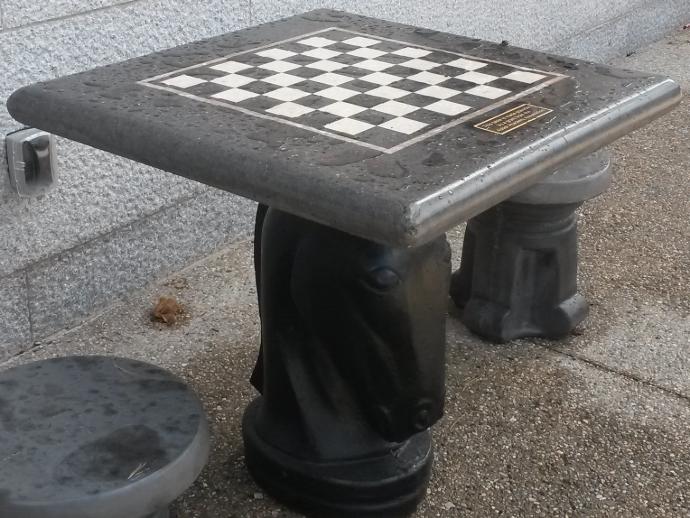
Parks are more than green spaces. They are gathering places where people relax, socialize, exercise, and enjoy activities that bring the community together. An outdoor chess table can add lasting value to a park by creating a welcoming spot for strategy, conversation, and friendly competition. Whether the park serves families, students, seniors, tourists, or daily neighborhood visitors, a well-chosen chess table can become a popular feature. The key is selecting a table that fits the space, holds up to weather, supports comfortable play, and requires minimal maintenance. This guide explains what to look for before investing in an outdoor chess table for a public park.
Understand How the Table Will Be Used
Before choosing a table, think about who will use it and how often it will be used. A park near a school may attract students after class, while a downtown plaza may see office workers during lunch breaks. A community park might host casual players, chess clubs, or organized tournaments. The expected use should guide decisions about size, material, seating, and placement. A table that works well for light occasional use may not be sturdy enough for a busy public space. Planning around real usage helps ensure the table stays functional and inviting for years.
Park planners should also consider whether the outdoor chess table will be used for more than chess. Some visitors may use the table for checkers, cards, reading, or casual conversation. This makes durability and comfort even more important. Tables in high-traffic areas should be designed to resist wear, vandalism, and weather damage. Tables in quieter areas can focus more on aesthetics and comfort. The best choice balances practical performance with the overall character of the park.
Choose Durable Materials
Material is one of the most important factors when selecting an outdoor chess table. Public park furniture must handle rain, sun, temperature changes, dirt, and frequent use. Concrete is one of the most common choices because it is heavy, stable, and difficult to move. Metal tables, especially powder-coated steel or aluminum, can also perform well when treated to resist rust. Recycled plastic and composite materials are lighter and often easier to maintain, but they may not offer the same level of security as concrete. The right material depends on the park’s climate, budget, and maintenance capacity.
Each material has its strengths and limitations. Concrete provides excellent stability and long life, but it can be difficult to relocate. Metal can offer a modern look and strong performance, but poor coatings may chip or corrode over time. Recycled plastic resists moisture and does not splinter, but it may fade in harsh sunlight. Stone or granite tables can look premium, though they are often more expensive. When comparing options, focus on long-term value rather than the lowest upfront cost.
Useful material features include:
- Weather-resistant finishes
- Rust-resistant hardware
- UV-stable surfaces
- Heavy-duty bases
- Easy-to-clean tabletops
- Tamper-resistant fasteners
Prioritize Weather Resistance
An outdoor chess table must be able to stay outside all year. Weather resistance is especially important in parks where furniture is not covered or stored during storms. Rain can damage porous materials if they are not sealed properly. Sun exposure can fade surfaces, weaken coatings, and make some materials uncomfortable to touch. Freeze-thaw cycles can crack low-quality concrete or stone. Choosing a table designed specifically for outdoor use reduces the risk of early replacement.
Look closely at the tabletop surface, since this is where players interact most. The chessboard pattern should be permanent, not a sticker or coating that easily peels. Engraved, inlaid, or molded boards tend to last longer in public settings. If the table has paint, the paint should be rated for exterior exposure. Drainage is also important because standing water can shorten the life of the table. A table that dries quickly after rain will be more usable and easier to maintain.
Consider Table Size and Playing Comfort
Comfort plays a major role in how often people use a park chess table. The table should have enough space for a standard chessboard and captured pieces. Players should be able to sit comfortably without feeling cramped. The height should work for a wide range of users, including adults, older children, and seniors. Seating should be close enough for play but not so close that movement feels restricted. A comfortable setup encourages visitors to stay longer and return more often.
Standard outdoor chess tables often include two seats, but some designs include four seats for flexible use. A two-seat table is ideal for focused chess play. A four-seat table can support spectators, doubles-style games, or other activities. Parks with limited space may prefer compact designs, while larger recreation areas may benefit from multiple tables grouped together. Consider whether the table needs wheelchair-accessible seating. Inclusive design can make the chess area more welcoming to the entire community.
Think About Installation and Security
Public park furniture should be secure, stable, and difficult to remove without authorization. Many outdoor chess table models can be surface-mounted or embedded into concrete pads. Surface mounting is common when installing on existing pavement. In-ground installation may provide added security and stability. Heavy concrete tables may not require the same anchoring as lighter tables, but anchoring can still help prevent shifting. A secure installation protects both the table and park visitors.
The installation surface also matters. A level concrete pad is usually the best foundation because it keeps the table steady and accessible. Grass or dirt may become uneven, muddy, or difficult for mobility devices. Pavers can work well if properly installed and maintained. The area around the table should allow enough room for chairs, benches, wheelchairs, and foot traffic. Good installation planning reduces safety risks and improves the user experience.
Match the Table to the Park Design
A chess table should feel like a natural part of the park, not an afterthought. The style, color, and material should complement nearby benches, walkways, shelters, and landscaping. A historic park may look best with stone or concrete designs. A modern urban park may benefit from sleek metal or composite tables. A family-friendly recreation area may use colorful, durable materials that feel approachable. Matching the table to the park’s design helps create a polished and intentional space.
Placement also affects how the table looks and functions. Chess tables work well near walking paths, community centers, playgrounds, libraries, senior areas, and shaded seating zones. However, they should not block circulation or create congestion. A visible location can encourage use and improve safety. A shaded location can make the table more comfortable during hot weather. The best placement supports both convenience and enjoyment.
Evaluate Maintenance Needs
Maintenance requirements should be clear before buying an outdoor chess table. Park staff may need to clean dirt, leaves, bird droppings, graffiti, or spilled drinks from the surface. Smooth, sealed surfaces are usually easier to clean than rough or porous ones. Materials that resist staining and scratching will look better over time. Tables with fewer moving parts are generally better for public parks. A low-maintenance table helps reduce labor costs and keeps the park looking cared for.
Ask about recommended cleaning methods and replacement parts before purchasing. Some surfaces may require periodic sealing. Metal tables may need coating inspections to prevent rust. Fasteners may need occasional tightening. If seats are attached, they should be checked for stability and damage. A simple maintenance plan can extend the life of the table and prevent small issues from becoming expensive repairs.
Compare Safety and Accessibility Features
Safety should always be part of the selection process. Rounded edges can help reduce injury risk, especially in parks used by children. Stable seating lowers the chance of tipping or wobbling. Non-slip installation surfaces help prevent falls around the table. Heat retention is also worth considering, since some materials can become hot in direct sunlight. Tables should be placed where visibility is good and lighting is adequate if the park is open in the evening.
Accessibility is equally important. At least some tables should allow wheelchair users to participate comfortably. This may mean choosing a table with open space on one or more sides instead of fixed seats on every side. Pathways leading to the table should be firm, stable, and wide enough for mobility devices. The table area should avoid steep slopes or obstacles. A well-designed chess area makes the game available to more people.
FAQ About Outdoor Chess Tables for Parks
What is the best material for an outdoor chess table? Concrete is often best for high-use parks because it is heavy, durable, and secure. Metal, stone, recycled plastic, and composite materials can also work well when designed for outdoor use.
Should a park chess table have attached seats? Attached seats are convenient and help keep the area organized. However, tables without fixed seats may offer better accessibility for wheelchair users.
How long does an outdoor chess table last? A high-quality outdoor chess table can last many years with proper installation and basic maintenance. Lifespan depends on material, climate, usage, and care.
Does the chessboard pattern wear off? It can if the pattern is only painted or applied as a surface layer. Engraved, molded, or inlaid chessboards are better choices for public parks.
Where should an outdoor chess table be placed? Place it in a visible, level, and comfortable area with good access. Shade, nearby seating, and proximity to community activity can increase use.
How many chess tables should a park install? One table may be enough for a small park. Larger parks, campuses, or community spaces may benefit from two or more tables to support groups and events.
Balance Budget With Long-Term Value
Price matters, but the cheapest table is not always the most cost-effective choice. A low-cost table that fades, cracks, rusts, or becomes unstable may need replacement sooner than expected. Higher-quality tables often provide better durability, safety, and appearance over time. Installation costs should also be included in the budget. A table may require a concrete pad, anchoring hardware, site preparation, or accessibility improvements. Looking at the total project cost gives a more accurate picture than comparing product price alone.
When reviewing quotes, consider warranty coverage, manufacturer reputation, shipping costs, and maintenance needs. A strong warranty can provide peace of mind, especially for public installations. It is also helpful to choose suppliers experienced with parks, schools, municipalities, and recreation areas. They are more likely to understand public-use requirements. A well-built outdoor chess table should serve the community for years with minimal problems. Investing carefully at the beginning can save money and frustration later.
Create a Chess Area People Want to Use
The table itself is important, but the surrounding environment also shapes the experience. Add shade where possible through trees, umbrellas, shelters, or shade structures. Make sure the area feels safe, clean, and easy to reach. Nearby benches can give spectators or waiting players a place to sit. Trash receptacles can help keep the area tidy. Good lighting may be useful in parks that remain open after sunset.
Consider adding small signs that explain chess rules, encourage respectful play, or invite community members to join scheduled chess meetups. Parks can also partner with schools, libraries, senior centers, or local chess clubs to activate the space. A table that sits unused is just furniture, but a table supported by programming can become a community feature. Events, tournaments, and casual meetups can turn the chess area into a destination. The best outdoor chess table is one that fits the park, welcomes players, and encourages connection. With the right planning, a simple chess table can become one of the most meaningful additions to a public space.