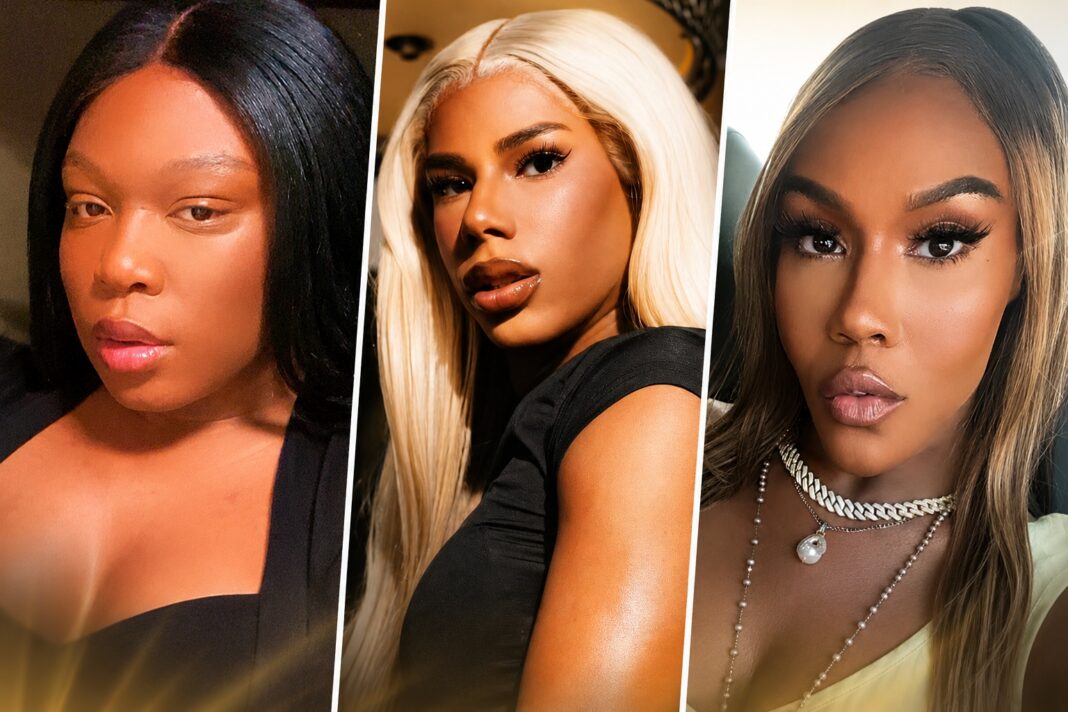

From left to right; Carmen Berry, Nekia Zulu, and Aoki Lee Terrell
By Dennis Richmond, Jr.
“Werk, sista!”
If you have ever attended a ball, chances are you have heard those words ring through the crowd. For many people, Ballroom is known for the fashion, the music, the trophies, and the performances. What many do not realize is that Ballroom was built out of necessity. Long before corporations celebrated Pride Month and long before LGBTQ+ people gained broader visibility, Ballroom provided something many people could not find elsewhere: family.
Born from the creativity, resilience, and determination of Black and Latino LGBTQ+ communities, Ballroom traces its roots back to Harlem. Over time, it evolved into a worldwide cultural movement that has influenced fashion, music, dance, television, and language. Yet despite its impact on popular culture, the heart of Ballroom has always remained the same. It is about community.
At the center of Ballroom are Houses. A House is a chosen family that provides mentorship, guidance, support, and belonging. For many members, Houses became safe spaces after experiencing rejection from relatives, schools, workplaces, or society at large. Legendary Houses such as LaBeija, Dupree, Ebony, and Pendavis helped create a foundation that continues to shape Ballroom culture today.
Members of Houses compete at events known as balls, where participants walk categories that showcase everything from fashion and beauty to performance and confidence. However, many members say Ballroom’s greatest contribution has never been competition. It has always been the people.
“Ballroom is needed because community resistance is needed more now than ever before,” said Nekia Zulu, 26, of Brooklyn. “Of course an outlet for creativity is needed, but in these times community is needed not just by people older and established in the community like myself, but by the youth just entering adulthood and society.”
Carmen Berry, 28, of Akron, Ohio, believes Ballroom remains vital because it reminds people of their collective strength.
“Ballroom is needed because it’s the foundation of what Ballroom was founded in,” Berry said. “The outside world wanted to ostracize us and made sure we were pushed underground. We need it now more than ever to remind ourselves of who we are and our strength in community.”
For Aoki Lee Terrell, 39, of the Bronx, Ballroom provided life lessons that extended far beyond the runway.
“Ballroom is a compass for culture,” Terrell said. “It births raw creativity into society. It’s also a charm school. It gives you the mindset that if you can be judged by the shadiest people and come out unscathed, you can do the same thing in the world. Ballroom taught me how to appear confident in any situation.”
As LGBTQ+ communities continue to face challenges across the country, Ballroom remains what it has always been: a place where people can find acceptance, confidence, mentorship, and love. The trophies matter. The categories matter. The legends matter. But the community has always mattered most.
That is why Ballroom is still here. It was never just about the ball. It was about making sure nobody had to face the world alone.
Dennis Richmond, Jr. (@NewYorkStakz) is a journalist, historian, and educator from Yonkers, NY. He writes to uplift unheard voices, honor history, and inspire change.