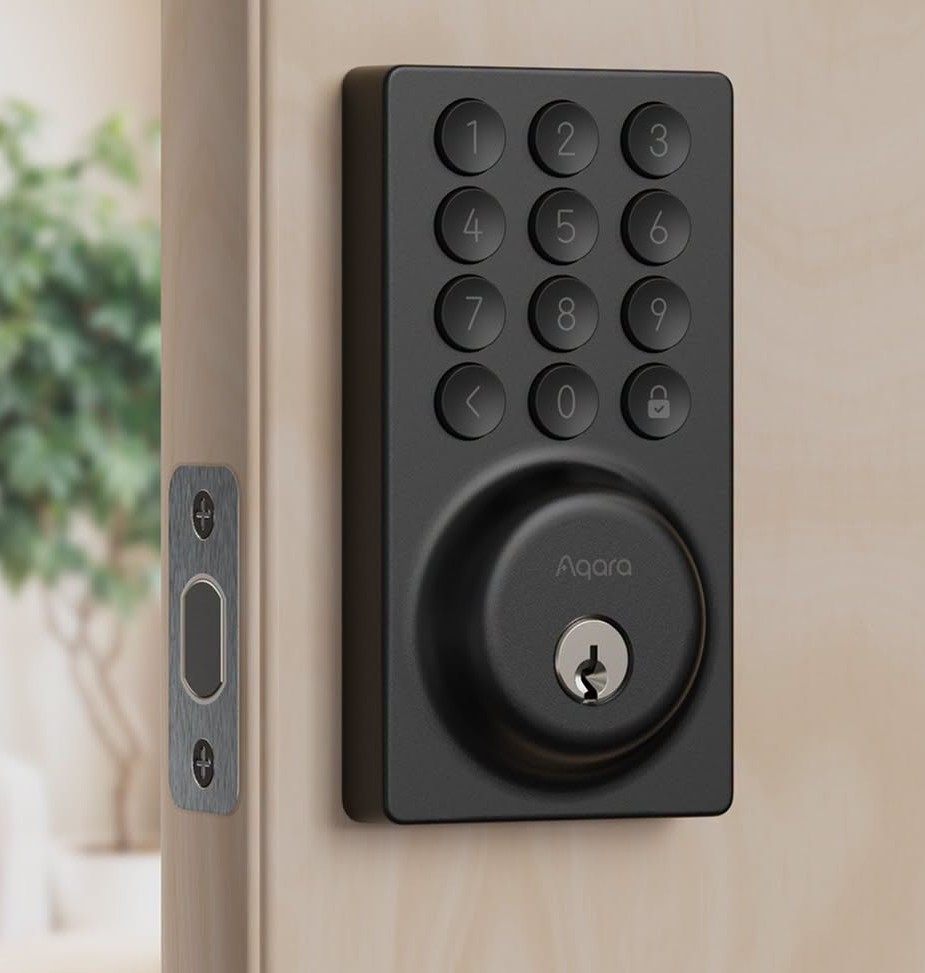
Home security has evolved beyond deadbolts and spare keys hidden under doormats. Smart door locks have quietly become one of the most practical upgrades a homeowner can make, offering real control over who gets in and when. These devices do more than secure an entry point.
They connect with broader home systems, respond to real-time conditions, and give residents full visibility over access activity. Adoption has grown steadily, and 2026 feels like the year the technology finally delivers on its early promise.
What Makes Smart Locks Different
Traditional locks ask one thing of a homeowner: do not lose the key. Lose it anyway, and the options range from inconvenient to expensive. Smart locks replace or supplement that dependency with digital credentials, including PIN codes, biometrics, and mobile-based entry.
Homeowners doing their research will find that advanced smart door locks solutions now cover far more ground than basic keypad entry. Remote locking, temporary guest codes, and auto-lock timers are standard across most mid-range and premium models. These features work together to give residents precise, programmable control over a front door without adding unnecessary complexity to daily routines.
Battery performance and offline functionality have also improved considerably. Most current models retain core access features even without an active internet connection, which addresses one of the more legitimate concerns buyers raised about earlier generations.
Key Features Driving Adoption
Biometric Entry
Fingerprint readers have grown noticeably faster and more accurate. Some higher-end models now pair fingerprint recognition with facial identification as a secondary option. Both methods reduce dependence on codes that can be shared, guessed, or simply forgotten.
Remote Access and Monitoring
Mobile applications let homeowners lock or release a door from any location. Real-time alerts flag entry attempts and successful access events as they happen. That visibility is particularly useful for households managing children’s schedules, frequent deliveries, or short-term rental properties.
Temporary and Scheduled Access
Service providers, overnight guests, or tenants can receive access codes with a built-in expiration window. Once that window closes, the code stops working automatically. There is no need to rekey a lock after a visit ends or a tenancy changes.
Integration With Smart Home Systems
Smart locks have moved well past being standalone devices. Compatibility with voice assistants and home automation platforms lets users build access routines that actually reflect how they live. A lock can trigger a porch light when the door opens or deactivate a security alarm when a recognized resident arrives home.
Geofencing has added a practical layer of automation on top of that. Some systems detect when a registered phone approaches the property and prepare the lock in advance. Entry becomes frictionless without the security trade-off that passive systems sometimes introduce.
Communication Protocols
Most current devices rely on one of three wireless standards: Bluetooth, Wi-Fi, or Z-Wave. Each carries trade-offs in range, battery draw, and response latency. Confirming compatibility with an existing router or smart home hub before purchasing saves time and avoids compatibility headaches later.
Security Considerations
Every connected device carries some level of software risk, and smart locks are no exception. Regular firmware updates and encrypted communication channels are the clearest indicators that a manufacturer takes long-term security seriously. Prioritizing brands with a consistent update history is a reasonable starting point.
Physical construction remains an important factor in this decision. A lock with a weak bolt or a poorly reinforced strike plate offers limited protection regardless of how sophisticated its digital features are. Models that meet recognized physical security ratings alongside their digital specs deserve stronger consideration.
Two-factor authentication adds meaningful protection for app-based access. Requiring both a password and a secondary confirmation before granting remote control reduces unauthorized entry risk in a way that software encryption alone cannot fully address.
What to Evaluate Before Buying
A few practical factors deserve attention before committing to a model. Power source is one of them; some locks run on standard batteries while others support hardwired or rechargeable configurations. Installation complexity also varies, with certain models designed as direct replacements for existing hardware and others requiring professional fitting.
Door compatibility is worth verifying as well. Not every smart lock fits every door preparation without some degree of modification.
Conclusion
Smart door locks have matured into a technology that genuinely delivers on convenience, visibility, and security without asking homeowners to make trade-offs between the three. The gap between early-generation products and what is available today is substantial.
Whether the priority is monitoring who comes and goes, simplifying guest access, or simply removing the physical key from the equation entirely, current options address all of it. Matching specific features to actual household needs remains the best way to make a purchase that lasts.