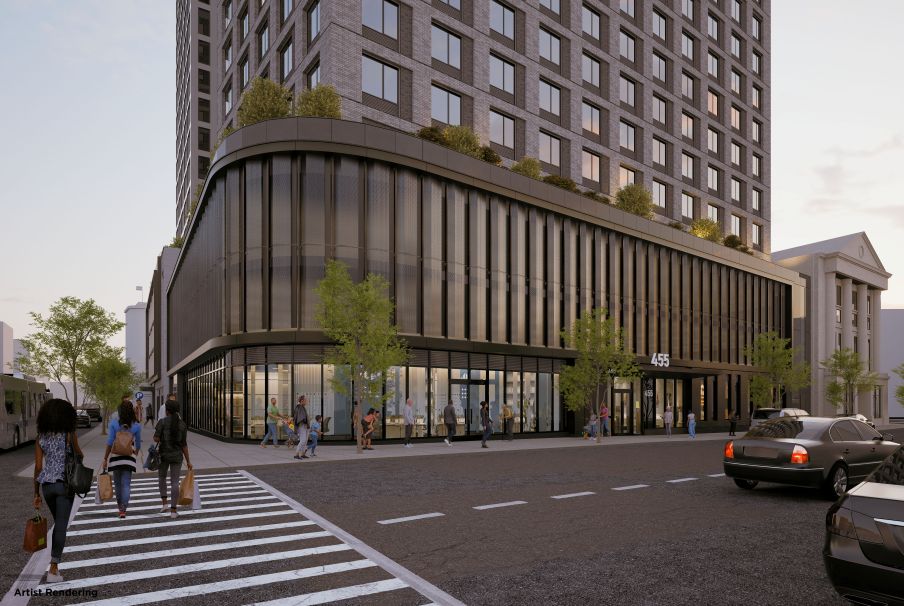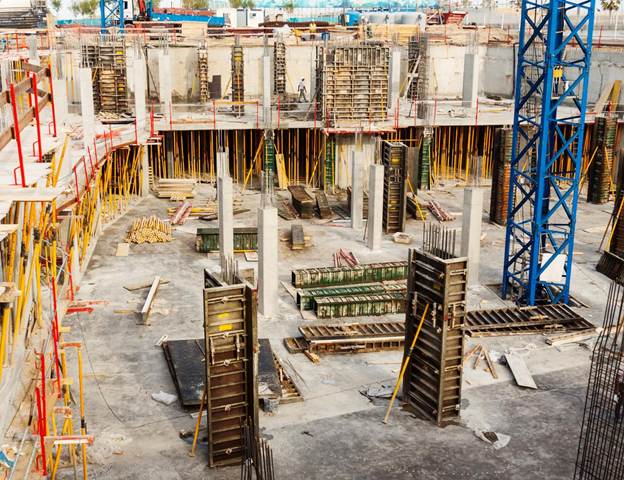
When people think about community growth, they often focus on what they can see. New housing developments, commercial buildings, retail centers, schools, parks, and road improvements are all visible signs of progress. These projects attract attention because they represent investment, opportunity, and economic development.
What many people don’t realize is that none of these projects can happen without something far less visible: infrastructure.
Beneath our streets, sidewalks, neighborhoods, and business districts lies a vast network of utilities and systems that support everyday life. Water lines, sewer systems, electrical infrastructure, telecommunications networks, natural gas lines, and broadband connections provide the foundation upon which communities grow and thrive.
As cities and towns across the country continue to expand, modernize, and compete for residents and businesses, infrastructure investment has become more important than ever. While these projects may not always generate headlines, they play a critical role in shaping a community’s future.
The Infrastructure Most Residents Never See
Infrastructure is often described as the backbone of a community, and for good reason.
Every home, school, hospital, business, and public facility depends on reliable utility systems. Residents expect clean water when they turn on the tap, electricity when they flip a switch, internet connectivity when they work remotely, and dependable sewer systems that operate without interruption.
These services are so deeply integrated into daily life that many people rarely think about the infrastructure supporting them—until something goes wrong.
Many of the utility systems serving communities today were originally installed decades ago. While some have been upgraded over time, many continue to age under increasing demands from population growth, technological advancements, and changing development patterns.
As communities evolve, the infrastructure supporting them must evolve as well.
Why Aging Infrastructure Is Becoming a National Concern
Across the United States, aging infrastructure is creating challenges for municipalities, utility providers, and taxpayers alike.
Water systems, sewer networks, and utility corridors constructed decades ago are often being asked to serve populations and demands that far exceed their original design capacity. Deferred maintenance, limited funding, and years of continued use can contribute to reliability issues and costly repairs.
In many communities, infrastructure upgrades are no longer optional—they are necessary.
Emergency repairs often cost significantly more than planned improvements. Unexpected failures can disrupt businesses, inconvenience residents, and strain municipal budgets. Proactive investment allows communities to address issues before they become crises while improving long-term reliability.
The challenge for many local governments is balancing current needs with future growth. Infrastructure decisions made today can influence economic development opportunities for decades.
How Infrastructure Investment Supports Economic Growth
Strong infrastructure does far more than provide basic services.
Reliable utility systems help attract employers, support new housing developments, encourage investment, and improve quality of life. Businesses considering relocation or expansion often evaluate the availability and reliability of infrastructure before making investment decisions.
Developers similarly depend on adequate utility capacity before moving forward with residential, commercial, or industrial projects.
Communities with modern infrastructure are often better positioned to compete for new investment because they can support growth more efficiently. In contrast, inadequate infrastructure can limit development opportunities, increase project costs, and slow economic progress.
Infrastructure investment also helps protect property values. Residents and businesses benefit from dependable services, improved reliability, and reduced risk of service interruptions.
In many ways, infrastructure serves as the foundation upon which economic opportunity is built.
The Role of Modern Construction Technology
As infrastructure demands continue to increase, construction methods have evolved to help communities complete projects more efficiently and with less disruption.
Directional Drilling
One of the most significant advancements in underground construction is directional drilling.
Directional drilling, also known as horizontal directional drilling (HDD), allows utilities to be installed underground without excavating a continuous trench along the entire route. Instead, crews create a controlled underground pathway that allows utility lines to pass beneath roads, parking lots, landscaping, waterways, and other obstacles.
This approach can significantly reduce surface disruption while minimizing restoration costs and traffic impacts.
For communities seeking to modernize infrastructure while preserving roads, sidewalks, and public spaces, directional drilling has become an increasingly valuable solution.
Hydro Excavation
Hydro excavation is another technology helping improve infrastructure construction and maintenance.
Using pressurized water and powerful vacuum systems, hydro excavation safely exposes underground utilities without the risks associated with traditional mechanical excavation methods.
This process helps verify utility locations before major construction begins, reducing the likelihood of accidental utility damage and improving worker safety.
Contractors specializing in modern underground infrastructure construction, including firms such as Devco Development & Engineering, increasingly utilize directional drilling and hydro excavation to help communities upgrade critical utility systems while minimizing disruption to residents, businesses, and public infrastructure.
These technologies are becoming essential tools as utility corridors grow more complex and communities seek safer, more efficient construction methods.
Reducing Community Disruption During Construction
Few residents enjoy construction-related traffic delays, road closures, or access restrictions.
Historically, infrastructure improvements often required extensive excavation, resulting in prolonged disruptions for businesses, commuters, and neighborhoods.
Modern construction technologies are helping change that reality.
Trenchless construction methods such as directional drilling allow many utility installations to occur with significantly less surface disturbance than traditional excavation. By reducing the need to open long trenches through streets and developed areas, project teams can often shorten construction timelines and minimize impacts on daily life.
This benefits not only residents but also local businesses that depend on customer access and consistent traffic patterns.
The ability to improve infrastructure while reducing disruption has become an increasingly important consideration for municipalities and utility providers alike.
Planning for Future Growth
Communities are not simply planning for today’s needs. They are planning for the needs of future generations.
Broadband expansion, electric vehicle charging infrastructure, renewable energy projects, smart-city technologies, and increasing utility demands are reshaping how communities think about infrastructure investment.
Many of these initiatives require significant upgrades to underground utility networks and supporting infrastructure.
The communities that successfully prepare for future growth are often those that take a proactive approach to planning and investment. Rather than waiting for systems to fail or capacity limits to be reached, they identify future needs and begin addressing them before problems emerge.
This forward-thinking approach helps support economic development while creating greater resilience and reliability.
Infrastructure Investment Is Community Investment
Infrastructure projects may not always attract the same attention as new buildings or major developments, but their impact is often far greater.
Reliable infrastructure supports public safety, economic growth, property values, business investment, and overall quality of life. It enables communities to expand, adapt, and meet the changing needs of residents and employers.
While roads, utilities, and underground systems may remain largely out of sight, their importance cannot be overstated.
The communities that invest wisely in infrastructure today are often the ones best positioned to thrive tomorrow.
Conclusion
When people see a new housing development, business district, school expansion, or community improvement project, they are witnessing the visible results of growth. What they often do not see is the infrastructure that made that growth possible.
From water and sewer systems to electrical networks, broadband connectivity, and underground utilities, infrastructure provides the foundation that supports every thriving community.
As cities and towns continue to face growing demands and aging systems, infrastructure investment will remain one of the most important drivers of economic development and long-term success.
By embracing modern planning, innovative construction methods, and proactive investment strategies, communities can build stronger foundations for future generations while minimizing disruption and maximizing opportunity.