People judge political leaders by their speeches and policies. Long debates and policy papers fill the news cycles daily. Still, fashion is a quiet element that speaks just as loudly as any microphone.
The clothes a leader selects to wear tell a story before they ever speak a word. Style shapes public perception in ways people do not always realize. A well-placed tie or a specific suit color can shift an entire room.
The Visual First Impression
Clothing serves as an immediate communication tool in public life. Polished wardrobe choices for the well-dressed man offer a glimpse into how fine details create an authoritative image. A sharp appearance signals readiness, competence, and respect for the office.
High-quality belts or classic braces add a subtle touch of authority to standard political attire. Leaders carefully construct the right outfits to project strength and stability to voters. Public figures realize that every meeting presents a new chance to reinforce their message. A clean silhouette builds trust with an audience.
Balances in Political Fashion
Find the correct look with a careful balance between power and relatability. Politicians must look aspirational without appearing too glamorous or out of touch. Spending too much on designer clothing can alienate regular working citizens. Dressing too casually might signal a lack of seriousness for the position.
Leaders will maintain respect and keep their connection to the public. Visual choices carry immense weight during major public events. Power resides heavily in the projected image rather than just spoken words. Audiences process these visual cues long before analyzing legislative proposals.
How Climate and Culture Shape Style
Political changes leave a mark on the design choices seen in public spaces. The fashion industry consistently experiences shifts tied to the political climate. Leaders adapt their wardrobes to mirror the mood of the nation. In tense periods, outfits can become more traditional and conservative to project a sense of safety.
During economic downturns, simpler clothing choices are the most popular among politicians. A strong return to personal style and individuality across modern collections. Leaders use small details to stand out from the crowd. Key items that define a leader’s unique look include:
- Distinctive lapel pins representing regional causes
- Patterned pocket squares that break up dark suits
- Custom footwear choices reflecting local industries
The Subconscious Influence of Attire
Viewers absorb messages from clothing without conscious awareness. Clothing choices talk to the public subconsciously and add layers to a politician’s personal brand. Look into color psychology and how to use it the right way. Blue conveys trust, red projects aggression or passion, and gray offers neutral stability.
Color defines how communities connect with their elected representatives. Fashion is the visual language everyone speaks through their daily garments. When a leader dresses down for a disaster zone, it shows readiness to work. Wearing formal attire for a state dinner shows respect for international allies.
Defying Norms and Setting Standards
Minor personal choices can be acts of quiet resistance or statements of identity. Selecting highly individual pieces helps figures defy rigid or authoritarian agendas. A unique scarf or a non-traditional jacket can signal independent thought. Small choices tell voters that a leader maintains their core identity under immense institutional pressure.
Public figures face constant observation, making wardrobe management a core part of their daily routine. A parliamentary report card explained that public scrutiny makes a politician’s appearance part of the actual job. Leaders cannot escape the gaze of the media or the cameras. Every public appearance mandates careful preparation to avoid sending the wrong message to the electorate.
Making Lasting Visual Conclusions
The final impression of a political event hinges on what the participants wore. A political fashion profile remarked that clothes form a major part of the conclusions people draw from any appearance. A mismatched outfit can distract from a crucial announcement. A perfectly coordinated look solidifies the leader’s message and gives it extra weight.
History remembers iconic outfits just as much as iconic speeches. Think of historic leaders who wore specific military uniforms or simple, austere clothing to define their eras. Modern leaders utilize these same principles to build a recognizable brand. They know that a well-crafted image outlasts temporary news cycles.
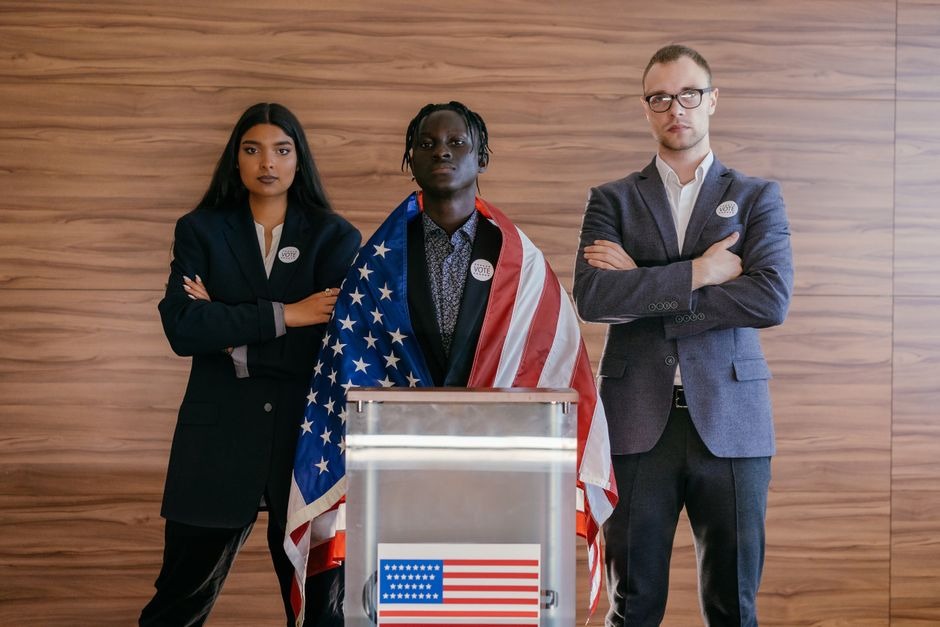
Political leadership must involve a mixture of substance and style. Words matter, but the visual package delivers those words to the world. Crafting a personal image requires time, thought, and attention to detail.
Every choice, from the cut of a suit to the selection of accessories, affects the public perception. Paying attention to these style elements offers a deeper understanding of how leaders connect with citizens. True authority shines through when presentation matches purpose perfectly. Developing a clear signature look helps a leader remain memorable.