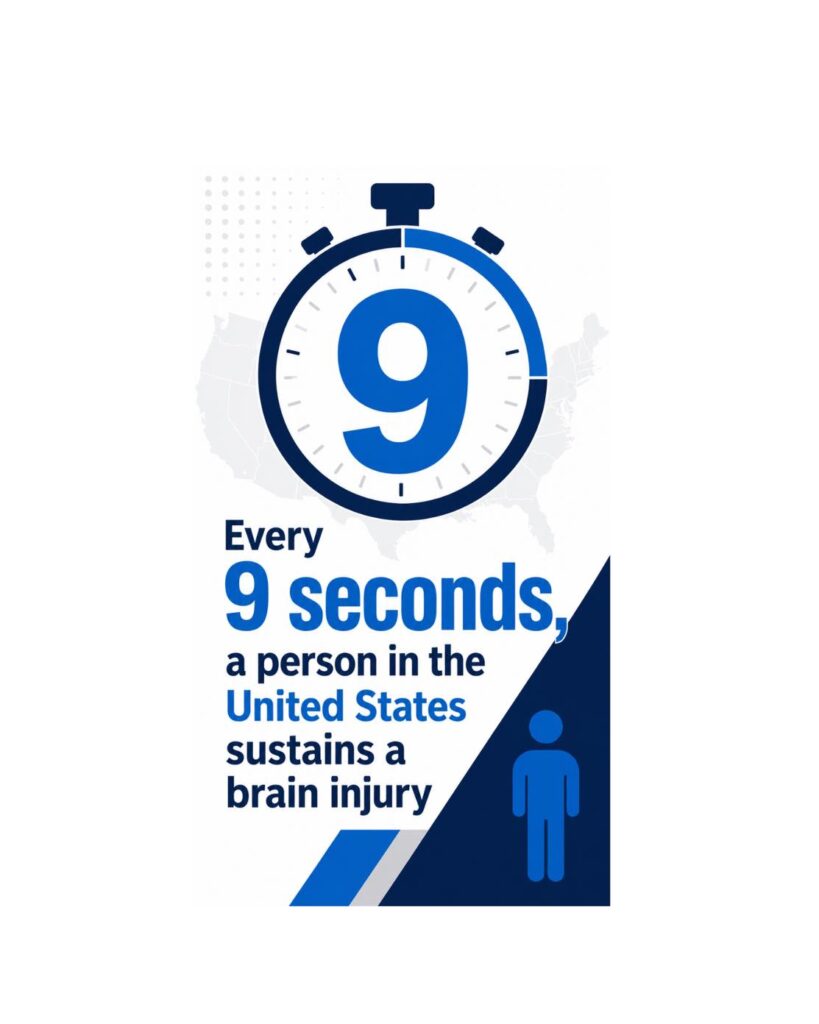
Brain injuries can change a person’s life in an instant. Whether caused by a car crash, fall, workplace accident, sports injury, assault, or another traumatic event, a brain injury can affect far more than physical health. It can alter memory, communication, mood, independence, relationships, employment, and long-term financial stability.
For families, the effects can be just as overwhelming. Loved ones may suddenly become caregivers, advocates, financial planners, and emotional support systems all at once. Understanding the impact of brain injuries on families can help victims and their loved ones prepare for recovery, seek proper care, and protect their rights after an injury.
What Is a Brain Injury?
A brain injury occurs when damage affects the brain’s ability to function normally. Some brain injuries are mild and temporary, while others cause permanent disabilities. Traumatic brain injuries, often called TBIs, are caused by outside force, such as a blow to the head or violent jolt.
Common causes include:
- Motor vehicle accidents
- Slip and fall accidents
- Construction or workplace accidents
- Sports injuries
- Physical assaults
- Bicycle or pedestrian accidents
- Explosions or blast injuries
- Medical complications
Brain injuries can range from concussions to severe trauma involving bleeding, swelling, or skull fractures. Even a so-called mild injury can have serious consequences if symptoms last for weeks, months, or years.
Physical Effects of Brain Injuries
The physical effects of a brain injury vary depending on the severity and location of the damage. Some symptoms appear immediately, while others develop gradually.
Victims may experience:
- Headaches
- Dizziness or balance problems
- Nausea or vomiting
- Fatigue
- Seizures
- Sensitivity to light or noise
- Blurred vision
- Sleep disturbances
- Weakness or numbness
- Problems with coordination
In severe cases, victims may lose mobility, require assistance with daily tasks, or need long-term rehabilitation. These physical limitations can affect every part of life, from personal hygiene and driving to working and caring for children.
Cognitive and Emotional Changes
Brain injuries often affect the way a person thinks, communicates, and processes emotions. These changes can be confusing and frightening for both the victim and their family.
Cognitive symptoms may include:
- Memory loss
- Difficulty concentrating
- Trouble making decisions
- Confusion
- Slower thinking
- Problems following conversations
- Difficulty reading, writing, or speaking clearly
Emotional and behavioral symptoms may include:
- Irritability
- Anxiety
- Depression
- Mood swings
- Impulsiveness
- Anger outbursts
- Social withdrawal
- Loss of motivation
Family members may feel like their loved one’s personality has changed. This can create grief, frustration, and uncertainty, especially when the victim looks physically healthy but struggles internally.
The Impact on Family Relationships
The impact of brain injuries on families can be profound. A spouse, parent, child, or sibling may suddenly need care, supervision, transportation, and emotional support. Roles within the household can shift quickly.
A spouse may become a full-time caregiver. Children may struggle to understand why a parent behaves differently. Parents of an injured adult child may need to step back into a caregiving role. These changes can put pressure on even the strongest relationships.
Common family challenges include:
- Loss of emotional intimacy
- Increased conflict
- Caregiver burnout
- Financial stress
- Fear about the future
- Guilt or resentment
- Reduced social life
- Difficulty balancing work and caregiving
Families often need counseling, support groups, and respite care to manage the emotional strain. Recovery is rarely a straight path, and family members need support, too.
Financial Strain After a Brain Injury
Brain injuries can be expensive to treat. Emergency care is often only the beginning. Many victims require ongoing medical appointments, therapy, medication, home modifications, assistive devices, and long-term care.
Expenses may include:
- Hospital bills
- Neurologist visits
- Physical therapy
- Occupational therapy
- Speech therapy
- Mental health counseling
- Prescription medications
- In-home care
- Transportation to appointments
- Lost wages
- Reduced earning capacity
When the injured person cannot return to work, the household may lose a major source of income. At the same time, a family caregiver may need to reduce hours or leave their job entirely. This combination can create serious financial pressure.
How Brain Injuries Affect Work and Independence
Many brain injury victims struggle to return to work, school, or daily routines. Even when they want to resume normal activities, symptoms may interfere with performance and safety.
A victim may have difficulty:
- Completing tasks on time
- Remembering instructions
- Managing stress
- Communicating with coworkers
- Staying organized
- Driving safely
- Handling loud or busy environments
Some victims can return to work with accommodations, such as reduced hours, extra breaks, written instructions, or a quieter workspace. Others may need to change careers or stop working altogether. Loss of independence can be emotionally devastating, especially for people who were active and self-sufficient before the injury.
The Hidden Nature of Brain Injuries
One of the hardest parts of a brain injury is that symptoms are not always visible. Friends, employers, insurance companies, and even some medical providers may underestimate the injury because the victim appears outwardly fine.
This can make victims feel isolated or misunderstood. Family members may also struggle to explain the injury to others. Invisible symptoms like fatigue, confusion, emotional changes, and memory problems can be just as disruptive as physical injuries.
Proper documentation is important. Medical records, symptom journals, therapy notes, and statements from family members can help show how the injury affects daily life.
Recovery and Rehabilitation
Recovery from a brain injury depends on many factors, including the severity of the injury, the victim’s age, overall health, access to care, and support system. Some people recover in weeks, while others face lifelong challenges.
Rehabilitation may involve:
- Physical therapy to improve strength and balance
- Occupational therapy to rebuild daily living skills
- Speech therapy to address communication issues
- Cognitive therapy to improve memory and problem-solving
- Counseling for emotional support
- Medication management
- Vocational rehabilitation for work-related needs
Family involvement can make a major difference. Loved ones often help track symptoms, manage appointments, encourage therapy, and provide emotional stability. However, families must also protect their own health during the recovery process.
When Legal Help May Be Needed
If another person’s negligence caused a brain injury, the victim may be entitled to compensation. This may include damages for medical bills, lost wages, pain and suffering, future care needs, and reduced earning ability.
Examples of negligence may include:
- A reckless driver causing a crash
- A property owner failing to fix a dangerous hazard
- An employer ignoring workplace safety rules
- A manufacturer selling a defective product
- A caregiver or facility failing to provide proper supervision
Speaking with a traumatic brain injury lawyer in Redding can help victims and families understand their options after an accident in Northern California. An attorney can investigate the cause of the injury, gather evidence, work with medical experts, communicate with insurance companies, and pursue fair compensation.
Because brain injuries often have long-term consequences, it is important not to settle a claim before the full extent of the injury is understood.
Supporting a Loved One with a Brain Injury
Families play a vital role in recovery, but caregiving can be emotionally and physically exhausting. Support should be practical, patient, and consistent.
Helpful steps include:
- Learn about the specific injury and symptoms
- Keep a written record of symptoms and progress
- Attend medical appointments when appropriate
- Create a calm and structured home environment
- Use calendars, reminders, and written instructions
- Encourage rest and avoid overstimulation
- Be patient with mood or behavior changes
- Seek counseling or caregiver support
- Ask for help before burnout sets in
Families should remember that recovery may involve setbacks. Progress can be slow, but small improvements still matter.
FAQ
What are common symptoms of a brain injury?
Common symptoms include headaches, dizziness, memory problems, confusion, mood swings, fatigue, sleep issues, nausea, and trouble concentrating. Severe symptoms may include seizures, weakness, loss of consciousness, or changes in speech.
Can a mild brain injury still be serious?
Yes. Even a mild traumatic brain injury, such as a concussion, can cause lasting symptoms. Victims should seek medical care if symptoms continue, worsen, or interfere with daily life.
How long does brain injury recovery take?
Recovery varies widely. Some people improve within weeks, while others need months or years of treatment. Severe brain injuries may cause permanent changes that require lifelong support.
How do brain injuries affect families?
Brain injuries can change family roles, finances, relationships, and daily routines. Loved ones may become caregivers and may experience stress, grief, anxiety, or burnout while helping the victim recover.
When should I contact a lawyer after a brain injury?
You should consider contacting a lawyer as soon as possible if the injury was caused by an accident, unsafe property, workplace incident, or another person’s negligence. A traumatic brain injury lawyer in Redding can help protect your rights and explain possible compensation options.
What compensation may be available after a brain injury?
Compensation may include medical expenses, lost income, future treatment costs, pain and suffering, loss of earning capacity, rehabilitation costs, and long-term care needs.
How can families help during recovery?
Families can help by providing structure, attending appointments, tracking symptoms, encouraging rest, supporting therapy, and seeking outside help when caregiving becomes overwhelming.