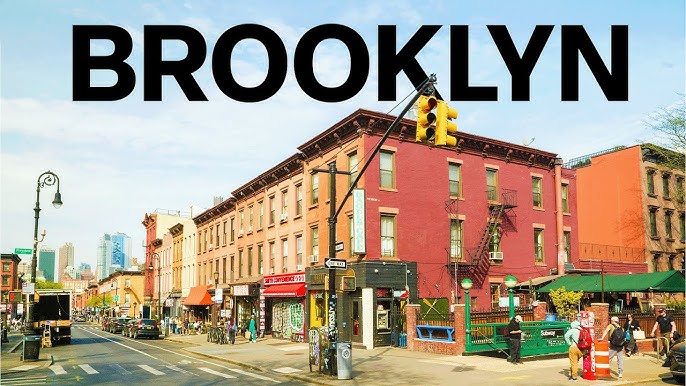
Brooklyn has transformed into one of the most sought-after places to live in the United States. With its mix of cultural diversity, vibrant food scenes, and distinct neighborhood personalities, it draws thousands of new residents every year. But before you pack your boxes, there are some important realities to understand. This moving to Brooklyn guide covers what you truly need to know before making the leap.
The Cost of Living Is High
Brooklyn is not a budget destination. Rent prices have climbed significantly over the past decade, and even neighborhoods that were once considered affordable have seen major increases. A one-bedroom apartment can range from $2,500 to over $4,000 per month, depending on the area.
Groceries, dining out, and everyday expenses also tend to run higher than the national average. Before committing to a move, build a realistic budget that accounts for these costs, including broker fees, which are common in New York City rentals.
Brooklyn Neighborhoods for Newcomers
One of the most important decisions you will make is choosing the right neighborhood. Brooklyn is enormous, and each area has its own character. Here are a few popular options for people new to the borough:
- Park Slope: Family-friendly with tree-lined streets, good schools, and easy access to Prospect Park. It tends to attract young professionals and families.
- Williamsburg: Known for its nightlife, restaurants, and arts scene. It has a younger, trendier crowd and strong transit connections to Manhattan.
- Bay Ridge: A more suburban feel with lower rents compared to northern Brooklyn. It offers a tight-knit community and waterfront views.
- Crown Heights: Culturally rich and increasingly popular, with a mix of long-time residents and newcomers. It offers slightly more affordable rents than some trendier areas.
- DUMBO: Located under the Manhattan Bridge, it offers stunning views along with a creative, upscale environment. It is one of the pricier options.
Spend time visiting different neighborhoods before signing a lease. Walking the streets at different times of day will give you a much better sense of the daily rhythm than any online research can provide.
Getting Around Brooklyn
Public transit is the backbone of daily life here. The subway system connects most of Brooklyn to Manhattan and other boroughs, though some outer neighborhoods have limited coverage. The B, Q, R, F, A, C, G, and several other lines run through Brooklyn, so your commute time will depend heavily on where you live relative to your job.
Owning a car is possible but often more trouble than it is worth. Street parking is competitive, alternate-side parking rules require frequent moves, and traffic can be unpredictable. Many residents rely entirely on the subway, buses, and cycling. If you do bring a car, be prepared for the added stress and costs.
Living in Brooklyn: Pros and Cons
Understanding the full picture of living in Brooklyn, including its pros and cons, helps set realistic expectations.
Pros:
- Incredible food and restaurant options representing cuisines from around the world
- Strong arts, music, and cultural communities
- Access to green spaces like Prospect Park, Brooklyn Bridge Park, and Marine Park
- A real sense of neighborhood identity and community
- Generally good public transit access to the rest of New York City
Cons:
- High cost of living with few signs of prices decreasing
- Noise, foot traffic, and density in popular areas
- Apartment sizes are often small for the price
- Subway delays and overcrowding are a regular part of life
- Winters can be harsh, and the lack of green space in denser blocks can feel isolating
What to Expect Living in Brooklyn Day to Day
What to expect living in Brooklyn is a lifestyle that moves quickly. You will likely walk more than you ever have, interact with an incredibly diverse mix of people, and find yourself spending more money than planned. The social scene is active, and there is rarely a shortage of things to do. However, it can also feel overwhelming at first, especially if you are coming from a quieter or more spacious environment.
Over time, many newcomers find that the energy, opportunities, and sense of community outweigh the challenges. By understanding the realities of costs, transportation, and neighborhood life before you arrive, you can make more informed decisions and ease your transition. With thoughtful planning and realistic expectations, moving to Brooklyn can be a rewarding step that opens the door to a vibrant and dynamic way of living.