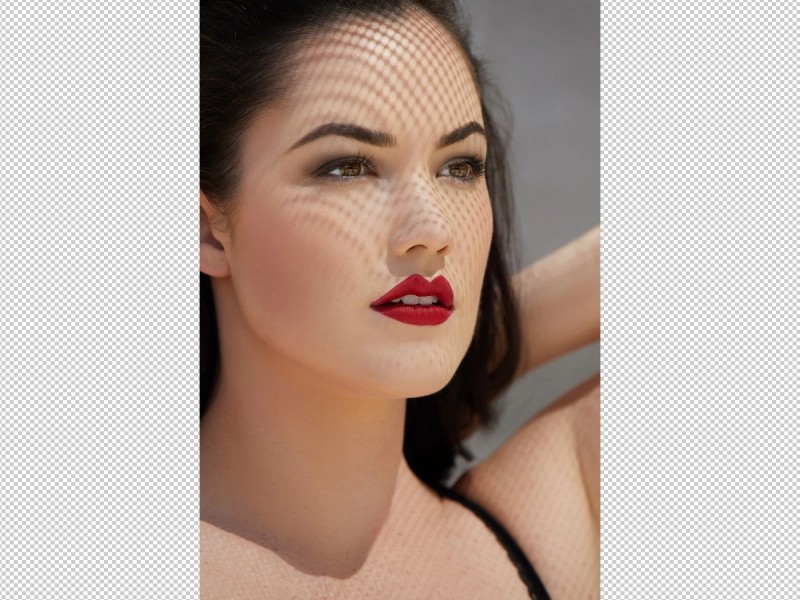
There’s a moment every photographer knows. You’ve nailed the composition, the lighting felt right during the shoot, and the subject was exactly where you needed them – then you pull the file up on a large monitor, and something is clearly wrong. A shadow cuts across the face at the wrong angle. The product looks flat and washed out. A wrinkle in the background that was invisible through the viewfinder has made itself very much at home in the final frame. These aren’t problems a brightness slider will solve.
For eCommerce sellers and marketers, this isn’t just an aesthetic concern – it’s a commercial one. Customers form visual impressions faster than any product description can intervene, and image quality is consistently one of the top factors shaping purchase behavior. Working with a reliable photo retouching service provider early in your workflow – rather than treating correction as a last-minute step – changes what your images are capable of achieving. The flaws below are the ones that appear most consistently across portrait, product, and editorial work, and that consistently resist anything short of professional correction.
When Skin and Surface Work Against You
The camera records without mercy. What reads as smooth, even skin under studio lighting becomes a detailed map of temporary blemishes, uneven tone, and pore texture in a high-resolution file. This is not a flaw in the subject – it’s how the medium captures information, and correcting it requires a specific, structured approach.
Uneven Skin Texture and Surface Imperfections
Frequency separation is the professional answer to this problem. The technique divides an image into two components, one carrying tonal and color information, the other carrying surface texture, so an editor can smooth inconsistencies in tone without softening or destroying the underlying detail. The result looks refined rather than filtered. Applied to product photography, the same method removes surface distractions from packaging, cosmetics, and textiles while keeping the material looking genuine. Automated smoothing tools blur indiscriminately and have no way to tell a blemish from a freckle worth preserving.
Lighting Imbalances That Flatten the Frame
Balanced light is a goal, not a guarantee. Studio setups compete with themselves, shadows fall at angles that flatten faces or obscure product edges, and one side of a frame ends up noticeably darker than the other. The eye goes there immediately, pulling attention away from what the image is actually meant to communicate.
Fixing light professionally means rebuilding the tonal relationship between highlights, midtones, and shadows – not simply pushing a contrast slider. Dodge and burn techniques give retouchers precise control over small areas of the image, adding depth and dimension where the original shoot came up short. For product photography, this matters directly to how materials are perceived. A glass bottle loses its clarity without the right highlights. Leather looks synthetic without recovered shadow detail. Retouching restores what the light was supposed to deliver in the first place.
The Structural Flaws That Quietly Undermine a Shot
Structural problems are the category most often underestimated. Some are obvious – a cable running through a background, a price tag at the frame edge. Others are almost invisible until the image is reviewed at full resolution: a half-visible prop, a partial reflection, dust on a dark surface. During a busy shoot, these details disappear. In a commercial final, they reappear with interest.
Unwanted Objects and Background Distractions
Removing an element from a complex background is not a fill problem – it’s a reconstruction problem. A textured surface behind a removed object needs to be rebuilt with matching grain and depth. A reflection removed from a glass product must leave a surface that still reads as glass, not as a flat patch of digital guesswork. Automated content-aware tools handle simple cases and fail at everything more nuanced. This is the category where human judgment most decisively separates professional retouching from a convenient approximation.
Fabric Wrinkles and Garment Distortions
Apparel eCommerce suffers disproportionately from wrinkle damage. Even with stylists on set, fabric creases and bunches with regularity, and at high resolution, every fold is amplified. The result is a garment that looks poorly shaped or ill-fitting, and that translates directly into customers choosing not to buy.
Professional wrinkle removal works along the grain of the fabric, smoothing creases while preserving how the material naturally drapes and falls. When executed correctly, the final image looks pressed, not processed. This distinction carries commercial weight. Product images that look artificially altered generate returns because customers feel the product was not accurately represented.
Color, Detail, and the Flaws You Almost Miss
Color accuracy is less forgiving than most people assume. A subtle cast that seems ignorable on a laptop becomes a brand consistency issue across a catalog of two hundred images. Customers making color-dependent purchasing decisions need to trust what they’re looking at, and that trust has to be built at the retouching stage.
Color Casts and Tonal Inconsistency
Tungsten lighting skews warm. Overcast daylight skews cool. Shoot across a shifting day of natural light, and you’ll end up with a set where the same product looks slightly different in every frame. Correcting this professionally means calibrating against color reference standards, not adjusting by intuition. Tonal consistency across a full image set is what holds a brand’s visual identity together, whether the deliverable is a product catalog or an advertising campaign.
Stray Hairs, Dust, and Fine Detail Cleanup
Flyaway hairs crossing a face, fingerprints on product packaging, dust particles visible on dark surfaces – these feel minor on set and look significant in a commercial final. Removing them takes precision. A careless job on stray hairs can leave a subject looking like they’re missing a section of their hairline entirely. The same discipline applies to product detail: minor scratches, smudged label text, and surface marks don’t belong in imagery that’s driving purchasing decisions.
What Beauty Retouching Actually Delivers
Beauty retouching is the structured professional service that addresses all of the above within a single, coherent workflow. According to Beauty Retouching Studio, it is an advanced editing process applied across portrait, fashion, and product photography with one clear objective: to remove imperfections while preserving the natural character of the subject. It is not about fabricating an idealized version of reality – it’s about ensuring the image reflects the subject accurately and performs the way it was always intended to.
The service operates on a specified degree. Simple retouching takes care of surface clean-up and color correction. The mid-level work presents frequency separation, reconstruction of lighting, and cleaning up of the background. Much more sophisticated image reconstruction is done with high-end editorial retouching in a luxury brand and high-profile campaigns. Every tier provides results that are structured and supported by revisions, so that beauty retouching is a workflow that is practical and repeatable among photographers, sellers, and marketing departments, and not a luxury that is only used in large productions.