
Trees seem so calm and grounded, almost permanent. Yet a single dropped branch or a trunk leaning slightly too far can change everything. Small issues become serious damage if early warning signs are overlooked. The wisest step is reaching out to a tree removal service near Bellevue, WA, before problems escalate. This isn’t about panic; it’s about staying proactive and in control. This guide offers straightforward advice to keep your decisions simple and grounded.
1. Spot Problems Before They Take Over
Trees give signals long before failure. Cracks in bark, hollow spots, dead limbs, or a tilt that was not there before; these are not random changes. They are alerts. A heavy branch hanging over a roof is not decoration. It is risk waiting for a trigger like wind or rain. Roots pushing soil upward or cracking pavement show stress below ground. Professionals read these signs fast. They assess structure, check balance, and decide the next step. Early action keeps damage small and controlled instead of chaotic and costly.
2. Tree Removal Is a Planned Operation
This is not guesswork. Cutting a tree without a plan is asking for trouble. Every tree stands in a different setup, close to homes, near fences, or tangled with wires. Teams break the process into steps. First, they study the direction of fall. Then they remove sections one at a time. This reduces weight and keeps control steady. No sudden crashes, no random drops. Each cut is calculated. Each move is controlled. That level of planning keeps the surroundings safe and avoids damage that could have been prevented.
3. Roots Can Cause More Damage Than Branches
Most attention goes to what is visible. That is only half the story. Roots spread wide and deep, often reaching places people do not expect. They push into driveways, disturb soil balance, and affect underground lines. After tree removal, roots do not just disappear; they can decay unevenly, leaving the ground unstable. That’s why opting for a tree root removal in Redmond, WA, is essential. Specialists can address the hidden risks and ensure the property remains safe and stable, preventing future issues that may require even more extensive work.
4. Safety Is Built on Skill and Awareness
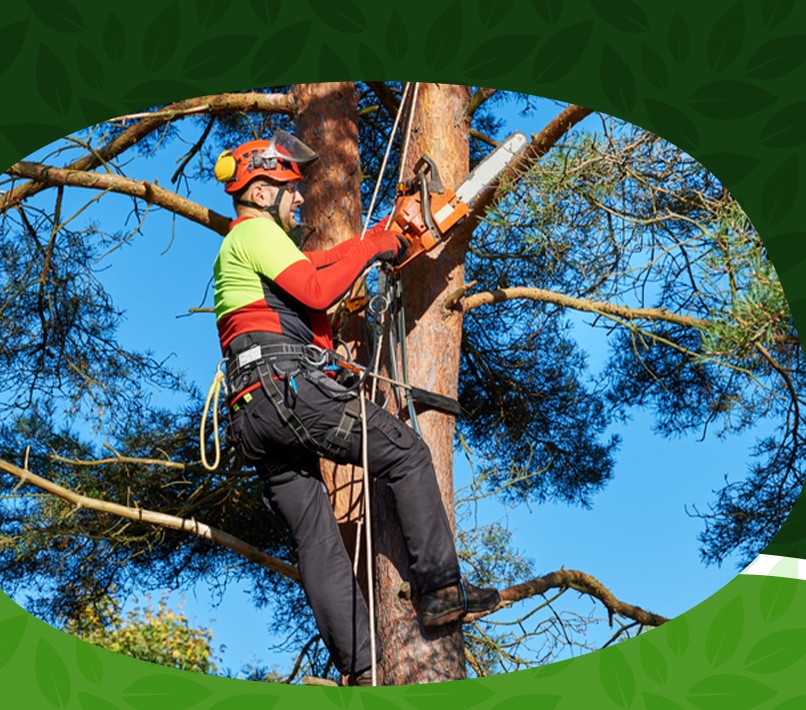
Tree removal involves height, weight, and force. One wrong move changes the direction of fall. That is why trained crews follow strict safety steps. They use ropes, harnesses, and cutting tools designed for controlled work. But tools alone are not enough. Judgment matters more. Knowing when to cut, where to cut, and how wood will react, that is real skill. This level of awareness keeps people safe and protects nearby property. It turns a risky task into a controlled process.
5. Clean-Up Defines Completion
Cutting trees is only part of the job. What remains matters just as much. Fallen branches, scattered debris, and leftover wood can turn space into a hazard. A proper clean-up clears everything: branches cut down, logs removed, ground leveled. This leaves space usable again, not cluttered or unsafe. A clean finish is not extra effort. It is part of the complete service. It shows that work was done with purpose, not rushed or left halfway.
Tree removal is about timing, control, and clear thinking. Ignoring early signs allows damage to grow fast and hit harder. From visible branches to hidden roots, every part plays a role in safety. Skilled teams handle each step with precision, keeping surroundings protected and stable. Acting at the right moment avoids bigger problems and keeps the space functional. A planned approach keeps risks low and results clean, making future use of the area simple and stress-free.
Cascade Tree Services delivers focused tree care with attention to safety and clean results. Call 425-530-9697 today to schedule service and keep your property protected, organized, and ready for what comes next without delays.
FAQs
1. How can someone decide if a tree in Bellevue, WA, needs removal?
If a tree shows cracks, leaning, or falling branches, it may be unsafe. In Bellevue, WA, the weather can increase risk. A proper inspection helps determine if removal is needed or if trimming can handle the issue.
2. What happens to the ground after a tree is removed?
After removal, debris is cleared, and the ground may be leveled. Roots may need attention to prevent soil shifting or uneven surfaces. Proper clean-up keeps the area safe and ready for future use.