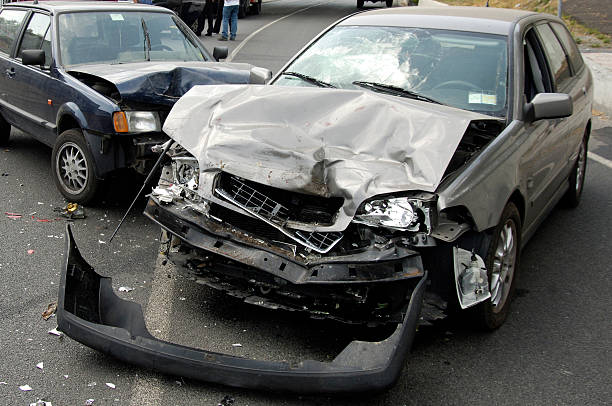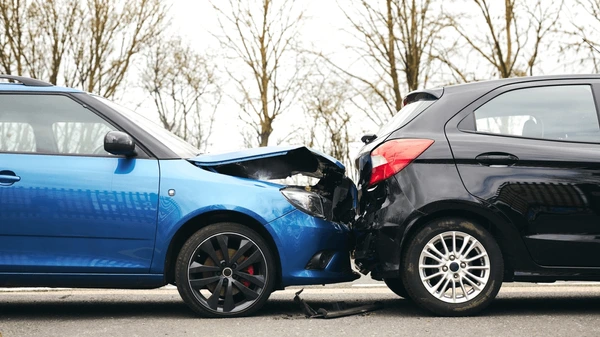
Car color does have some influence on accident risk, but it is not the most important factor in road safety. Research suggests that certain colors are harder for other drivers to see in specific lighting and weather conditions. This reduced visibility can increase the chances of being involved in a crash.
Studies have found that white cars are among the most visible and tend to have lower crash involvement rates during the day. Black, grey, and silver vehicles have shown higher crash risk in low-light conditions due to how they blend into the road and surroundings.
If you have ever wondered, “Does car color affect crash risk?” The honest answer is yes, but visibility is only part of the picture.
What the Research Actually Shows
Several studies over the years have examined the relationship between car color and crash rates. The findings are consistent in some areas but more nuanced in others.
Colors Linked to Higher Crash Risk
Research points to darker-colored vehicles as carrying a measurably higher crash risk, particularly at night or during poor weather. Black cars have been found to have a significantly higher crash involvement rate compared to white cars in multiple studies. Grey and silver vehicles also perform poorly in low-visibility conditions despite being extremely common on the road.
Colors Associated with Lower Crash Risk
White, yellow, and orange vehicles tend to be more visible across different lighting conditions. Yellow is particularly strong in low-light and foggy conditions because it contrasts well against most backgrounds. These colors are not coincidentally used on school buses, construction equipment, and emergency vehicles.
Why Visibility Matters More Than Color Alone
Color affects crash risk primarily because of how visible a vehicle is to other drivers. A car that blends into its surroundings gives other road users less time to react.
Reaction time is everything in crash prevention. A driver who spots a vehicle half a second later than they should may not have enough time to brake or steer clear. That split-second difference is what turns a near-miss into a collision.
Other Factors That Influence Crash Risk
Car color is one variable among many. Focusing only on color gives an incomplete picture of what actually causes crashes.
Factors that carry more weight than color include:
- Driver behavior, including distraction, fatigue, and impairment
- Vehicle speed and road conditions at the time of the crash
- Time of day and weather visibility
- Road design and lighting infrastructure
- Vehicle size and type
Color is a contributing factor, not a standalone cause. Most crashes involve a combination of the above, with human error remaining the leading cause across all vehicle types and colors.
Does Color Affect Insurance Rates?
A common myth is that red cars cost more to insure because they are associated with speeding. Insurance companies do not factor car color into premium calculations.
What Insurers Actually Look At
Insurers base rates on factors like
- Driver age, history, and location
- Vehicle make, model, and safety ratings
- Annual mileage and intended use
- Claims history and credit score in some states
Color has no bearing on what you pay for coverage. That myth persists largely because red cars are associated with sports models, which do carry higher premiums due to performance specs, not color.
How to Reduce Your Risk Regardless of Car Color
Choosing a lighter-colored vehicle may offer a small visibility advantage, but driving habits matter far more. Maintaining your headlights, keeping reflectors clean, and avoiding distracted driving reduces risk across any vehicle color.
Adding reflective accessories or ensuring your lighting is in good working order helps compensate for a darker vehicle color. Defensive driving habits remain the most reliable protection on the road.
Key Takeaways
- Car color does influence crash risk, primarily through how visible the vehicle is to other drivers.
- Black, grey, and silver cars show higher crash involvement rates in low-light conditions.
- White, yellow, and orange vehicles tend to offer better visibility across different conditions.
- Reaction time is directly affected by how quickly other drivers can spot your vehicle.
- Car color has no effect on insurance premiums, despite common myths about red cars.
- Driver behavior, speed, and road conditions carry more weight than color in crash causation.
- Good lighting, clean reflectors, and defensive driving reduce risk regardless of vehicle color.