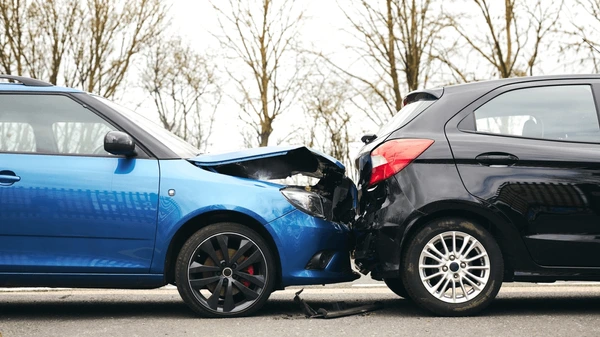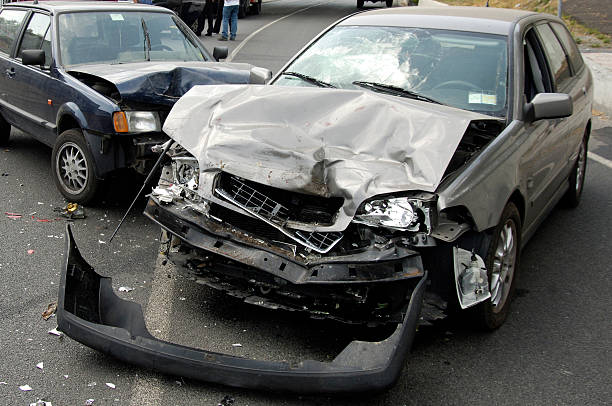
Driver behavior and road design both play a major role in increasing crash risk at intersections, often combining to create dangerous situations that lead to accidents. Poor decisions by drivers and flawed roadway layouts can reduce visibility, limit reaction time, and increase confusion, all of which raise the likelihood of collisions.
Many crashes occur at the most dangerous road intersections where traffic is heavy and conditions are complex. At these locations, even a small mistake can lead to serious consequences. Understanding how behavior and design interact can help reduce risks and improve safety.
Why Intersections Are High-Risk Areas
To begin with, intersections are naturally more complex than other parts of the road. Vehicles come from different directions, and drivers must make quick decisions about when to stop, turn, or proceed.
This complexity increases the chances of conflict between vehicles, pedestrians, and cyclists. As traffic volume grows, so does the risk of accidents.
In addition, intersections often involve multiple signals, signs, and lane changes. If these are not clear or properly designed, confusion can occur.
Risky Driver Behaviors at Intersections
One of the main causes of intersection crashes is unsafe driver behavior. Even well-designed roads cannot prevent accidents if drivers act carelessly.
Common risky behaviors include:
- Running red lights or stop signs
- Speeding through intersections
- Failing to yield the right of way
- Distracted driving, such as using a phone
- Aggressive driving, including sudden turns or lane changes
These actions reduce reaction time and increase the chance of collisions. For example, a driver who speeds through a yellow light may not have enough time to avoid another vehicle entering the intersection.
The Impact of Distracted Driving
Among these behaviors, distraction is a growing concern. Drivers who are not fully focused on the road may miss important signals or fail to notice other vehicles.
For instance:
- Looking at a phone can delay reaction time.
- Adjusting controls inside the car can take attention away from traffic.
- Talking to passengers may reduce awareness.
Even a few seconds of distraction can lead to a serious accident, especially in busy intersections.
How Road Design Contributes to Risk
While driver behavior is important, road design also plays a key role. Poorly designed intersections can increase confusion and reduce safety.
Some common design issues include:
- Limited visibility due to buildings, trees, or parked cars
- Short turning lanes that cause congestion
- Unclear or poorly placed traffic signals
- Lack of proper signage or markings
When drivers cannot clearly see or understand the road layout, they are more likely to make mistakes.
The Role of Traffic Volume and Layout
Another factor is the volume of traffic. Intersections with heavy traffic flow are more likely to experience accidents.
In addition, complex layouts can increase risk. For example:
- Multiple lanes with unclear markings
- Unprotected left turns
- Intersections without dedicated pedestrian crossings
These features require drivers to make quick decisions, which can lead to errors.
How Behavior and Design Work Together
Importantly, driver behavior and road design often interact. A poorly designed intersection can make it harder for drivers to behave safely.
For example, if visibility is limited, a driver may not see an oncoming vehicle in time. Similarly, confusing signals can lead to hesitation or incorrect decisions.
On the other hand, risky behavior can make design flaws even more dangerous. A speeding driver in a poorly marked intersection creates a much higher risk of a crash.
Steps to Reduce Intersection Crashes
Reducing crash risk requires both safer driving habits and improved road design.
Drivers can help by:
- Following traffic signals and signs carefully
- Slowing down when approaching intersections
- Staying focused and avoiding distractions
- Yielding properly to other vehicles and pedestrians
At the same time, improvements in road design can make intersections safer. These may include:
- Better lighting and visibility
- Clear lane markings and signs
- Dedicated turn lanes
- Updated traffic signals
Together, these changes can significantly reduce accidents.
Key Takeaways
- Driver behavior and road design both increase crash risk at intersections.
- The most dangerous road intersections often involve heavy traffic and complex layouts.
- Risky behaviors include speeding, running lights, and distracted driving.
- Poor design can reduce visibility and create confusion.
- High traffic volume and complex layouts raise the likelihood of accidents.
- Safer driving habits and improved design can reduce risks.