
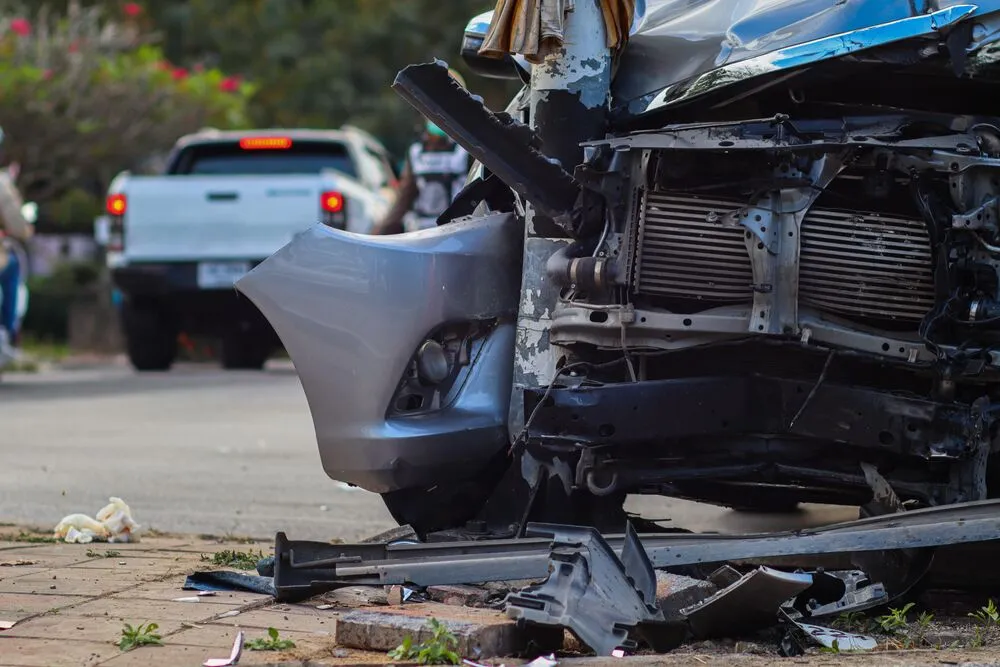
Truck accidents are investigated very differently from regular car crashes. The size of commercial trucks, the number of parties involved and the amount of data generated can make the process far more detailed. If the investigation is rushed or incomplete – key facts can disappear forever. This can affect your liability, compensation and long-term outcomes.
This article explains how truck accident investigations actually work – from the first minutes after the crash to the final reconstruction analysis. You should understand what happens, why it happens and where problems mostly arise.
Why truck accident investigations demand more work
A commercial truck can weigh a lot more than a passenger vehicle. When a collision occurs – the force involved can cause serious injuries and extensive property damage. Because of this, investigators must look beyond the obvious damage.
A truck crash can never result from one mistake alone. It mostly involves:
- Driver decisions
- Company scheduling
- Vehicle maintenance
- Cargo handling
Every factor will leave some evidence. A proper investigation must follow every trail until the cause becomes clear.
Space City individuals always work with experienced truck accident lawyers in Houston to ensure complex black box data, driver logs, and mechanical reports are meticulously preserved and analyzed. Enlisting dedicated legal representation protects crash victims from aggressive corporate insurance tactics and helps secure full compensation for medical expenses and lost wages.
Location plays a real role in investigations
Truck traffic patterns can differ widely by region. In Houston, freight movement is constant due to ports, energy transport and large construction zones. Major highways carry heavy trucks with commuter traffic throughout the day and night.
This environment can create some risks like:
- Sudden lane changes
- Long braking distances
- Nighttime fatigue
An investigation must reflect how local road design and traffic volume can affect the crash.
Even when legal responsibility can later involve a truck accident lawyer New York – the physical evidence always starts from where the crash occurred. Geography can also shape how the evidence and the conclusions are drawn from it.
When a truck accident investigation begins
A truck accident investigation starts immediately after the collision. It does not wait for insurance claims or court filings. The earliest moments are the most important from an evidence standpoint.
Law enforcement will secure the scene to protect public safety. Emergency crews will assist the people who are hurt. The tow operators will prepare to clear the roadway. Every one of these steps can disturb evidence if it is not documented first.
Skid marks can fade within hours. Debris can be moved or swept away. Vehicle positions can change once towing begins. Priority documentation can preserve facts that cannot be recreated later.
Examining the crash scene
The first formal step must focus on the physical scene. Investigators must document everything visible before conditions change.
Photographs can capture:
- Road layout
- Lane markings
- Traffic signs
- Lighting
- Weather conditions
The slope of the road and visibility distances are also recorded. These details can help explain how drivers perceive hazards before impact.
Damage to each vehicle is documented carefully. Impact points, crush depth and deformation patterns can reveal speed and direction. These physical details can later support reconstruction analysis.
Collecting data from the truck
Commercial trucks contain electronic systems that store operational data. Investigators must work fast to get this information.
Most trucks have electronic control modules that record:
- Speed
- Braking
- Throttle input
- Engine performance
Some systems record data from the moments just before a crash. This data can explain whether braking occurred or there was acceleration.
These systems can overwrite old data automatically. Any delay can result in permanent loss. This is why early access to the truck is so important.
The investigators also inspect the mechanical components. Brakes, tires, steering parts and lighting systems are examined for defects or wear. Mechanical failure will always leave you visible clues.
Reviewing the truck driver’s records
Driver behavior is documented through the necessary records. Investigators do not depend only on statements.
Hours-of-service logs show how long the driver worked and rested. These logs can help identify their fatigue patterns. Electronic logging devices can provide timestamps that can be compared with other records.
They also review:
- Fuel receipts
- Toll records
- GPS data
Differences between records can reveal violations or unsafe scheduling.
Phone records must also be relevant. Distraction evidence can appear through timing patterns rather than direct admission.
Investigating the trucking company
The role of a trucking company also extends far beyond employing the driver. Investigators can also examine company practices closely.
Driver qualification files will show licensing history, training records and past violations. Hiring decisions play a big role when you ignore safety standards.
Maintenance records reveal the times the truck was inspected and repaired. Things to watch for negligence:
- Brake service intervals
- Tire replacements
- Inspection gaps
Dispatch and scheduling records are also critical. Unrealistic delivery schedules can pressurize drivers into speeding or skipping their rest periods. Emails and internal messages can explain these pressures.
Evaluating cargo and loading practices
Cargo condition plays a major role in many truck crashes. Investigators review all the shipping documents carefully.
Bills of lading and load manifests show the total weight and distribution of the cargo. Overloading or uneven loading can affect the stability and braking.
Improperly secured cargo can move during transit. This movement can cause rollovers or loss of control. Physical signs inside the trailer will support these findings.
In some cases, third-party loaders handle cargo. This will expand responsibility beyond the driver and carrier.
Interviewing witnesses and reviewing video
Witness accounts can add context that data alone cannot provide.
You can get accurate observations from:
- Drivers
- Passengers
- Nearby motorists
- Pedestrians
Fast interviews are important because memory may fade fast.
Video footage is also critical. Traffic cameras, business security systems and dash cameras may capture the crash. These systems can also overwrite data within days.
Prompt identification and retrieval of video can change your entire case narrative.
Accident reconstruction and expert analysis
Reconstruction specialists analyze all collected evidence together. This stage helps bring clarity to complex crashes.
Experts calculate:
- Speed
- Braking distance
- Timing
- Angles of impact
They use physical evidence and electronic data to recreate the sequence of events.
Reconstruction can expose inconsistencies between statements and data. Objective analysis can replace assumptions with measurable facts.
Who conducts truck accident investigations?
Multiple parties investigate truck accidents at the same time and their goals differ.
- Police focus on traffic violations and immediate safety issues. Their reports are important but limited in scope.
- Trucking companies conduct internal reviews to protect their interests. Insurance companies investigate liability exposure and financial risk.
- Independent investigators analyze evidence without company control. Their role is critical when disputes arise.
Each investigation can produce different conclusions based on purpose and access.
Why does evidence access become difficult
Most crucial evidence belongs to the trucking company. This can create challenges.
Electronic data, maintenance files and dispatch records are not publicly available. Accessing them will require formal requests.
Delays in the investigation can benefit these companies. Records may be lost through routine retention policies. Once deleted – recovery is impossible.
Early preservation requests can help prevent this evidence loss and protect the investigation’s integrity.
How investigations shape legal outcomes
The quality of a truck accident investigation can also influence every later stage.
Insurance evaluations will depend on documented facts. Weak investigations can lead to reduced compensation offers.
Fault allocation also relies on evidence. Missing records can sometimes unfairly shift this blame.
Court outcomes will depend on clarity. Judges and juries respond to timelines supported by data – not speculation.
This is why cases that involve a truck accident lawyer New York can depend on investigation quality – even when crashes occur in other states.
Final thoughts
Truck accident investigations are detailed because serious crashes demand precision. Every decision before the collision leaves evidence behind.
When investigations are thorough – responsibility becomes clear. When you take shortcuts – accountability will suffer.
Understanding this process will help you recognize why speed, documentation and persistence are important after a truck crash.