Dublin’s construction sector is witnessing unprecedented growth, driven by a combination of rapid urbanisation, ambitious government housing targets, and major infrastructure projects. This surge in building activity has sparked a significant increase in the demand for construction equipment hire, as contractors seek flexible, cost-effective ways to access the machinery necessary to meet tight deadlines and complex project requirements.
Ireland’s Construction Equipment Hire Market in 2025
The construction equipment rental and leasing market in Ireland is projected to reach approximately €904.9 million in 2025, reflecting steady growth at a compound annual rate of 0.5% over the past five years. Forecasts suggest this growth will accelerate, with revenue expected to rise at around 2.3% annually through 2028, potentially nearing €1 billion, fuelled by ongoing residential construction and infrastructure investments.
In addition, the rise of small-scale construction firms, often lacking the capital to purchase expensive machinery outright, has contributed to the expanding rental market, as these companies increasingly rely on equipment hire to reduce start-up costs and enhance operational flexibility.
In this article, we will explore the factors behind the growing demand for construction equipment hire in Dublin, highlighting key market trends.
Popular Types of Construction Equipment in Dublin’s Rental Market
Dublin’s rental market caters to a broad spectrum of construction machinery needs. The most commonly hired equipment includes:
Earthmoving Machinery: Excavators, dumpers, bulldozers, and skid-steer loaders are essential for site clearance, excavation, and grading.
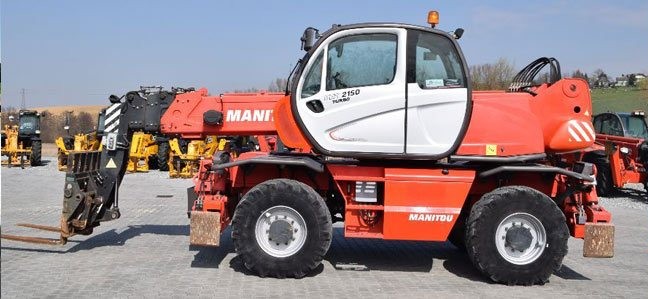
Lifting Equipment: Cranes, telehandlers, and cherry pickers are frequently used for heavy lifting, material transport, and tasks at height.
Power Equipment: Generators, compressors, and pumps support site utilities and water management.
Access Equipment: Scaffolding, mobile platforms, and ladders facilitate safe access to elevated work areas.
Specialist Machinery: Concrete mixers, trenchers, and compactors serve niche construction tasks.
The diversity of equipment available for hire allows contractors to tailor their machinery fleet precisely to project requirements, avoiding unnecessary expenditure.
Drivers Behind the Growing Demand in Dublin
Financial and Operational Advantages of Equipment Hire
One of the most notable factors behind the rising demand for construction equipment hire is the financial and operational flexibility it offers. Purchasing heavy machinery involves substantial capital expenditure, which can strain cash flow, especially for small and medium-sized enterprises (SMEs). Equipment hire transforms this fixed cost into a variable one, enabling companies to pay only for the machinery they need, when they need it.
Moreover, ownership comes with ongoing maintenance, insurance, storage, and depreciation costs. Rental companies typically include maintenance and servicing in their agreements, relieving contractors of these responsibilities and reducing downtime. This arrangement allows construction firms to focus on their core competencies rather than equipment management.
The ability to access the latest technology and machinery models is another advantage. Rental fleets are regularly updated, giving contractors access to modern, efficient, and environmentally friendly equipment without the risk of investing in assets that may quickly become obsolete.
Urban Growth and Housing Demand
Dublin’s population growth continues unabated, with the city’s metropolitan area expanding both in size and density. The Central Statistics Office (CSO) projects that Dublin’s population will increase substantially over the next decade, intensifying the need for new housing, commercial spaces, and community infrastructure.
The Irish government has set ambitious housing targets, aiming to deliver over 50,000 new homes annually between 2025 and 2030 to address the ongoing housing shortage.
This construction surge directly translates into increased demand for construction equipment. Excavators, dumpers, compactors, and other earthmoving machinery are essential for site preparation and foundation work. However, many developers and contractors prefer to hire equipment rather than purchase it outright, especially when projects are short-term or when the machinery is needed only for specific phases. This preference is a key driver behind the growing popularity of equipment hire in Dublin.
Increased Infrastructure Investment
Beyond housing, Dublin is witnessing significant investment in infrastructure projects, including transport upgrades, road expansions, and renewable energy facilities. Projects such as the MetroLink, improvements to the Luas tram system, and major road network enhancements require a wide array of specialised machinery. Cranes, bulldozers, concrete mixers, and generators are in high demand to support these complex developments.
Infrastructure projects often involve fluctuating equipment needs over the course of their lifecycle. Hiring equipment allows contractors to adjust their fleet size as project phases evolve, avoiding the financial burden of owning underutilised machinery. This operational flexibility is particularly valuable in large-scale projects where timelines and requirements can shift.
Sustainability and Technological Innovation
Sustainability has become a central concern in Dublin’s construction sector. Stricter environmental regulations and community expectations are pushing contractors to adopt greener building practices. Equipment hire companies are responding by investing in electric, hybrid, and low-emission machinery, which are increasingly available for rent.
Electric mini-excavators, hybrid generators, and machinery with advanced fuel efficiency help reduce carbon footprints and noise pollution—critical factors in urban construction zones. The availability of such equipment through hire services enables contractors to meet sustainability targets without the high costs of purchasing specialised green machinery.
Technological innovation also plays a role. Modern rental equipment often comes equipped with telematics, GPS tracking, and remote diagnostics, allowing for improved fleet management and predictive maintenance. These features enhance operational efficiency and safety on construction sites, further incentivising rental over ownership.
Challenges Facing the Equipment Hire Sector
Despite the positive growth trajectory, the equipment hire industry faces several challenges. Rising costs for machinery acquisition and maintenance, driven by inflation and supply chain disruptions, can squeeze rental companies’ margins. Compliance with increasingly stringent environmental standards requires investment in cleaner technology, which may be costly.
Additionally, the sector must continuously adapt to changing customer expectations, such as demand for digital booking platforms, flexible rental periods, and enhanced customer support. Rental companies that innovate and prioritise service quality are best positioned to capitalise on the growing demand.
Conclusion
The growing demand for construction equipment hire in Dublin is a clear reflection of the city’s expanding construction activities and the evolving needs of contractors. Driven by urban growth, infrastructure investment, financial pragmatism, and sustainability imperatives, equipment hire offers a flexible, efficient, and cost-effective solution.
As Dublin continues to develop and modernise, the rental market will play an increasingly vital role in supporting construction projects of all sizes. Rental companies that embrace innovation, sustainability, and customer service excellence will be at the forefront of this thriving sector, helping to build the city’s future one project at a time.