
Rear lighting on older sports cars was built for a different era. Incandescent technology from the late 1990s and early 2000s degrades steadily, leaving drivers behind you with less warning than they need. A faded taillight assembly is not just an aesthetic issue; it is a genuine safety concern. Addressing it through targeted upgrades is one of the smartest, most cost-effective improvements any sports car owner can make.
1. LED Tail Light Conversion
Full LED tail light assemblies offer the clearest performance jump of any rear lighting upgrade. They illuminate roughly 200 milliseconds faster than incandescent bulbs, which translates to several additional feet of stopping distance for the driver behind you at highway speeds. That difference is not trivial.
1.1 Platform-Specific Assemblies
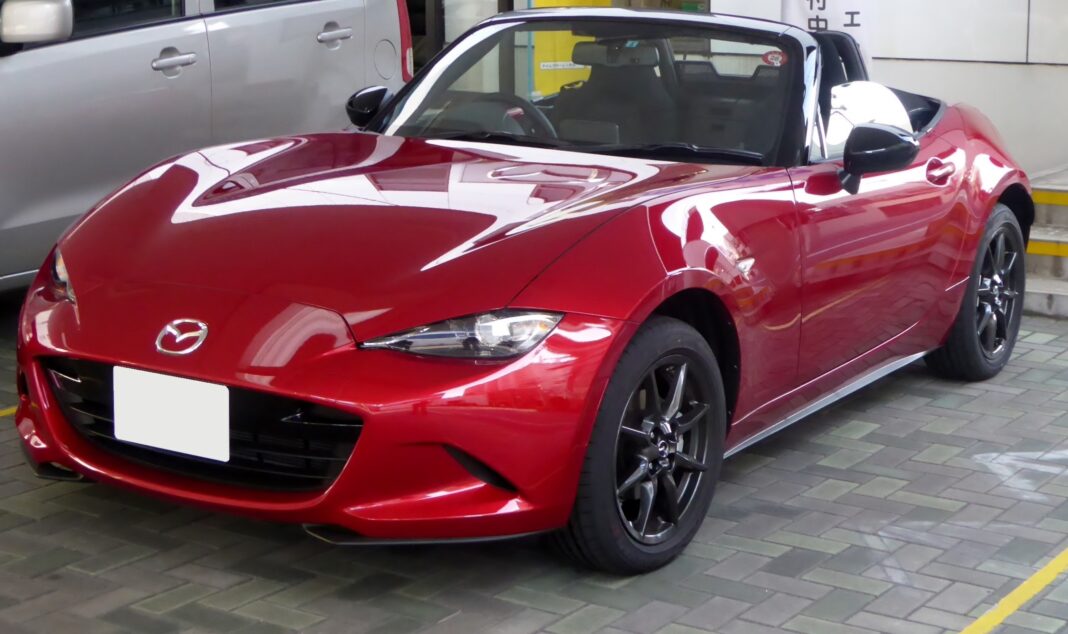
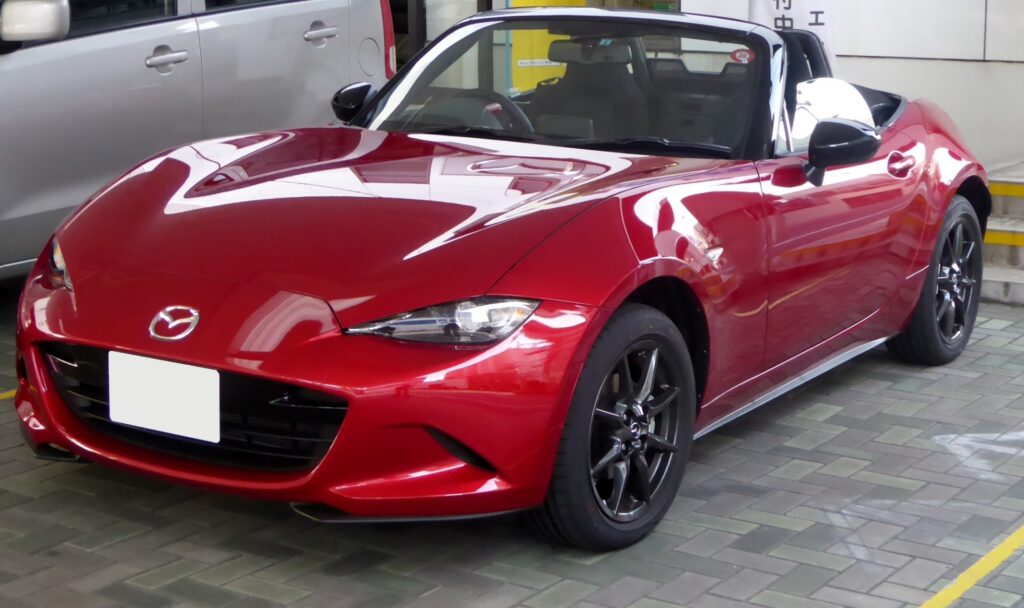
Generic LED kits work, but purpose-built assemblies designed for a specific chassis perform noticeably better. Owners of third-generation Mazda Roadsters, for example, can find NC Miata aftermarket tail lights engineered to fit the 2009 to 2016 body style exactly. OEM mounting points stay intact, light output improves significantly, and the overall light signature reads far more clearly to trailing traffic than aging factory units.
2. Sequential Turn Signal Modules
A sequential turn signal sweeps light outward in a directional arc rather than flashing as a single static block. That motion catches the eye faster and communicates intent more clearly in busy traffic. Most quality modules integrate with existing wiring without requiring cuts to the factory harness, making installation straightforward for anyone comfortable with basic electrical work.
3. Brake Light Intensifiers
These modules detect the rate of deceleration and trigger a rapid pulse during sudden stops before settling into a steady glow. Research from automotive safety studies supports pulsing brake lights as a measurable factor in reducing rear-end collisions during emergency braking. Plug-in versions are widely available for Japanese sports cars produced after 1995.
4. Third Brake Light Upgrades
The third brake light on many older roadsters is undersized, dimly lit, and tucked in a location that limits its visibility. Replacing it with a high-output LED strip raises both brightness and horizontal spread. Some strips also include a brief sequential flash at initial brake application, adding another layer of visual signal.
4.1 Strip Sizing
Measure the existing housing carefully before ordering. Even a few millimeters of excess width can prevent the lens cover from reseating correctly, which creates a fitment problem no amount of trimming will fully resolve.
5. Smoked vs. Clear Lens Housings
Smoked lenses have strong visual appeal, but they reduce light transmission by 15 to 20 percent on average. Pairing clear or red-tinted housings with high-output LED bulbs recovers that loss while maintaining a clean, modern appearance. Drivers in stricter regulatory regions should verify local visibility requirements before fitting smoked assemblies.
6. Rear Fog Light Addition
Most North American market sports cars were never equipped with a dedicated rear fog light. A single red fog light, mounted low and centered, makes a significant difference in heavy rain or dense fog conditions. European-specification fog light kits designed for popular platforms typically wire directly into the existing lighting control module without major modification.
7. Reflector Panel Replacement
Age turns clear plastic reflector panels yellow and hazy, cutting passive reflectivity considerably. Replacing them with fresh units restores the surface that road lighting depends on after dark. This upgrade costs very little but pays back in situations where active lighting alone is not enough, particularly on unlit rural roads.
8. Wiring Harness Modernization
Corroded or undersized wiring undermines every other upgrade on this list. Voltage drop across a deteriorated harness causes flickering, reduced brightness, and premature LED failure. Replacing the rear lighting harness with properly gauged wire and sealed connectors gives every downstream component clean, stable power and extends the life of the entire system.
Conclusion
Better rear visibility does not demand an expensive overhaul. Each upgrade covered here addresses a specific weakness in older lighting systems, and together they bring performance meaningfully closer to modern vehicle standards. LED assemblies handle the core output gap; wiring and reflector work supports everything around them. For anyone driving an older sports car in low-light or poor-weather conditions, these improvements are worth taking seriously.