
Forty-two years old, three games of pickup basketball on a Saturday morning, and by Monday the right knee has opinions. The pros play harder than you ever will, and they miss fewer games than your rec league roster. That gap is not talent.
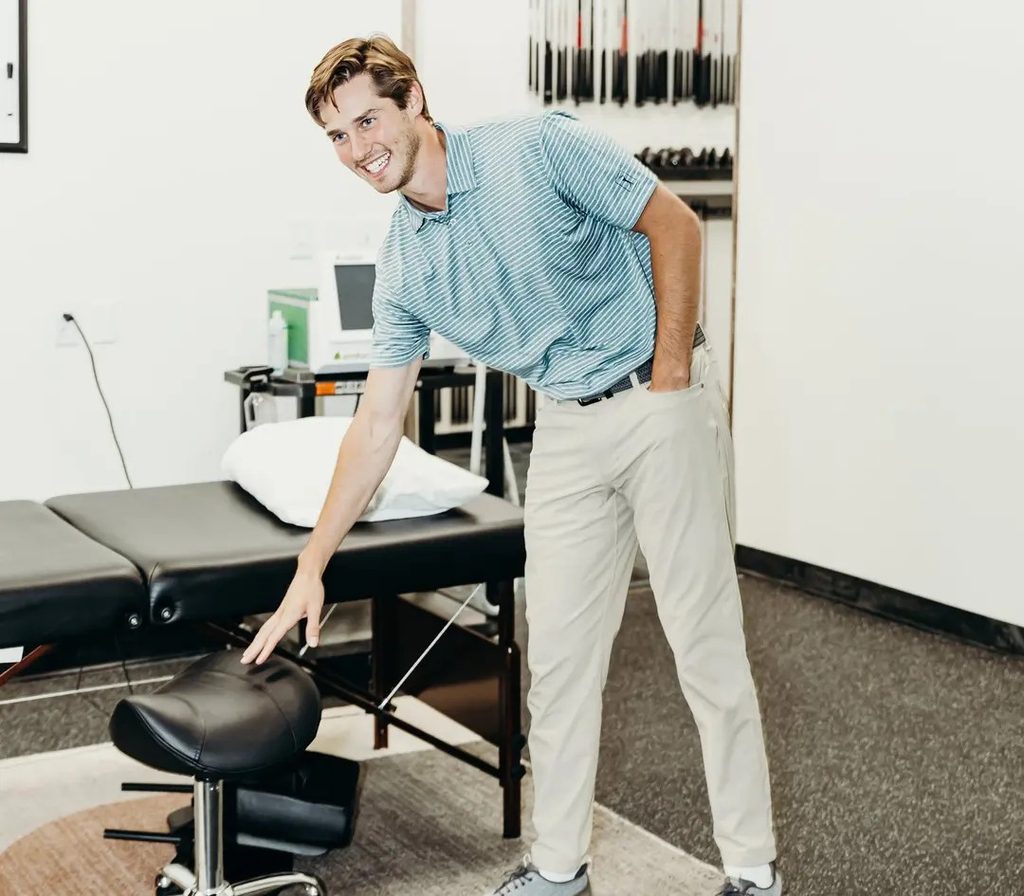
It’s load management, and almost nobody playing for fun has any. Pros spread stress across the week in small, boring doses. The rest of us sit at a desk for five days and then ask a cold body to sprint, cut, and swing like it’s been doing this since Tuesday. It hasn’t. That mismatch between what you demand on Saturday and what you asked for all week is where most injuries actually begin, and it’s the first thing a good clinician looks at when you walk in, including the Sports chiropractors Salt Lake City athletes see for golf swings, running gaits, and pickleball shoulders. The pain shows up in one spot. The cause usually lives somewhere else.
Here’s the thing about the pros, though. They don’t avoid stress. They just never let a single exposure get big enough to break tissue. That’s the whole trick, and you can copy it without a training staff.
Your body doesn’t know it’s Wednesday
Muscle, tendon, and bone respond to load with a curve, not a switch. Give them a moderate, repeated demand, and they adapt, getting denser and more tolerant over weeks. Give them a huge demand they haven’t seen in five days, and you’re not training anymore. You’re testing.
That’s why the classic weekend injury story isn’t a freak collision. It’s a hamstring pulling on a routine sprint, an Achilles complaining during the first mile, a shoulder barking on a serve it’s made a thousand times before. The tissue wasn’t weak. It was surprised.
Think about how a pitcher’s arm gets built. Nobody throws 100 pitches on day one of spring. The workload climbs, the arm adapts, and only then does the velocity show up. Weekend athletes run that entire progression backward. They feel great on Saturday, push into a sixth game, and skip the four weeks of boring buildup that would have made the sixth game safe. I’ve watched this play out at rec leagues for years, and the pattern rarely varies.
The Saturday Spike, and why it never shows up on an X-ray
Call it the Saturday Spike: the gap between your hardest weekly output and your easiest. If you lift nothing all week and then play three hours of soccer, your spike is enormous. The pros run a flat line. Most injury risk sits in that gap, and it’s invisible on any scan because there’s nothing to see yet. The tissue is fine. The schedule isn’t.
You can measure your own gap in about a minute. Write down your hardest session this week and your easiest. If they’re wildly different, you’ve found the problem before it found you. Now picture two athletes. Dana plays two hours of soccer every Saturday and walks 30 minutes most mornings. Her spike is small, and she’s played five years without a pull. Marcus plays the same two hours, but his week is a desk and a commute. Same sport, same age, same love of the game. Wilder gap, more missed Mondays. The pros live closer to Dana’s pattern than Marcus’s, and it isn’t because their bodies are magic.
Ramp up a new activity slowly rather than diving into a full session on day one. A body that’s been nudged all week takes a weekend beating far better than one that’s been sitting. That principle holds across ages, sports, and fitness levels, and public health guidance treats regular physical activity as a baseline habit rather than a weekend event, as the CDC outlines in its activity recommendations.
Sleep, alcohol, and the Sunday spiral
Two hours of hard play is a training load. What you do in the 24 hours after decides how much of it you keep. Beer, a late night, and eight hours on the couch on Sunday don’t just feel good. They slow the repair you actually paid for with all that effort.
I’ll take a boring stance here: if you can only change one weekend habit, protect your sleep on Saturday night over adding a fifth game. Recovery is the part people skip because it isn’t fun. It’s also the part that keeps you playing past 50. Light movement the day after beats total rest for most people. A walk, easy stretching, a swim. Nothing heroic. Just signal to the tissue that it’s still needed.
When to push through and when to stop
Discomfort during a game is common and often harmless. Certain signals are not, and this is where weekend warriors guess worst. Use this as a rough guide, not a diagnosis.
- Push on: mild soreness that warms up after a few minutes, general fatigue, a muscle that feels tight but strong.
- Back off: sharp pain that changes how you move, a pop you felt and heard, swelling that shows up within hours, or anything that’s worse the next morning than the day before.
- Get a real look: pain that lingers past two weeks, wakes you at night, or keeps you from your normal life. A clinician can sort out what’s tissue and what’s mechanics, which matters because the two need different plans.
Here’s a less obvious rule. Pain that shows up in the same spot every time you do the same movement isn’t bad luck. It’s a signal that something upstream isn’t doing its job. Groin pain in a soccer player, for instance, often traces back to hip control. The body follows the path of least resistance, and it usually points away from the spot that hurts.
Research keeps finding that most sports injuries aren’t caused by one bad moment. They build from repeated strain over time, which is exactly what NIH describes in its overview of sports injury patterns. Treat the buildup, not just the symptom.
A plan you can actually follow
Try this four-week reset before building the next habit.
- Week one: keep your weekend game, but add two 20-minute sessions on weekdays. Walk, bike, whatever. The goal is closing the gap, not getting fit.
- Week two: make one of those sessions sport-specific. If you play soccer, do some light cutting and sprinting. Small doses.
- Week three: add a short strength piece, two sets of squats, lunges, and a row. It doesn’t need to be fancy.
- Week four: repeat and notice how the weekend feels. Most people report the difference before week four.
The pros aren’t superhuman. They’re just boring about the basics, and they do them every single week instead of twice a year. You can borrow that. Your Saturday self will thank you.
So the next time you lace up, ask yourself one question before the whistle: Is today the biggest thing my body has done in five days? If the answer is yes, that’s not a training session. That’s a gamble. Small, boring, repeated effort is how you win that bet.