
St. Petersburg, FL has quietly become a runner’s paradise. Discover what’s fueling the boom, the best routes, and how to stay on the road longer.
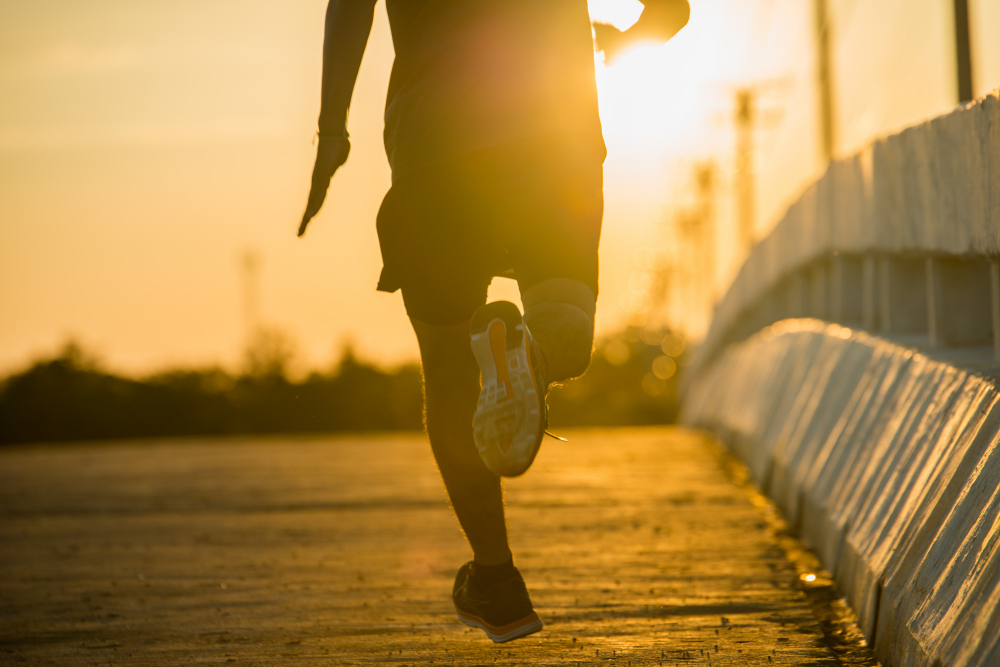
Fifty million. That’s roughly how many Americans laced up and ran outdoors in 2024. And if you’ve spent any weekend morning near the Pinellas Trail or North Shore Park lately, you already know that a disproportionate slice of that crowd is right here in St. Petersburg. The city has built something genuinely rare: a year-round running culture with world-class weather, waterfront routes, and a community that actually shows up.
This piece breaks down why that’s happening, what makes St. Pete such a strong fit for the sport, and one practical thing most local runners are skipping that keeps them off the road longer than they need to be.
The National Running Boom Has a Local Address
Running’s popularity isn’t a post-pandemic blip that already faded. The data keeps pointing the other direction. Finishers in the top 100 U.S. races across the 5K, 10K, half marathon, and marathon categories grew by an average of 15% in the second half of 2024, compared to the same period in 2023, according to Running USA’s 2025 Top Races Report. That’s not a rounding error. It’s a sustained wave.
Florida has been riding that wave hard. Turkey Trot events across the state saw finisher counts jump over 30% in 2024. Disney races in Central Florida dominated the national half marathon category. And right here in Pinellas County, local 5Ks fill their registration slots faster every year. St. Pete isn’t just benefiting from the national trend; it’s one of the places actually driving it.
“More than ever, runners want to race. From the 5K to the marathon, they have hundreds of world-class races to choose from,” said Jay Holder, Executive Director of Running USA, commenting on 2024’s record participation figures.
That hunger to race is changing how local businesses, parks departments, and community groups think about infrastructure. The city has responded.
| Race Distance | 2024 Finisher Growth (vs. 2023) | Source |
| 5K / 10K | +15% (top 100 U.S. races, avg.) | Running USA, 2025 |
| Half Marathon | +20.9% globally | Running USA, 2025 |
| Marathon | +14.6% globally | Running USA, 2025 |
| Florida Turkey Trot events | +30% finishers | Running USA, 2025 |
Run Clubs Are Quietly Changing St. Pete’s Streets
Solo running is fine. Running with thirty people on a Tuesday evening at sunset over Tampa Bay is something else entirely. That community angle is exactly why run clubs have exploded, and St. Pete is a textbook example of it happening in real time.
Run clubs surged 59% globally in 2024, and the social dimension is the main driver: Gen Z participants report joining primarily to meet new people, with nearly half running four to six times weekly, according to research compiled by Move Weekly in their 2026 endurance communities report. That’s a fundamentally different motivation than the solo fitness grind of earlier decades, and it maps perfectly onto a city like St. Pete, where the social and outdoor scenes overlap at almost every corner.
Groups like the St. Pete Running Company regulars and various neighborhood-organized crews meet multiple times a week. New runners who might have been too intimidated to enter a 5K solo are showing up to group runs first, building confidence alongside mileage. The barrier to entry keeps dropping, and the community keeps growing tighter.
The social pressure is also a double-edged thing, though. When your run club is meeting four mornings a week and you don’t want to miss out, it’s easy to ramp up mileage faster than your body expected. That’s worth keeping in mind as you plan your training calendar.
A City That Was Practically Designed for This
St. Pete’s running infrastructure didn’t happen by accident. The Pinellas Trail alone stretches 38 miles from St. Petersburg north to Tarpon Springs, following a former railroad corridor through neighborhoods, parks, and coastal stretches that most cities could only dream of. North Shore Park and the waterfront paths along Tampa Bay give runners a flat, scenic alternative on days when the trail feels crowded. Fort De Soto Park to the south adds off-road variety with natural Florida terrain.
The weather matters too. Running year-round in most American cities requires serious mental commitment against cold, ice, and darkness. St. Pete’s roughly 300 days of annual sunshine removes that friction almost entirely. The only real trade-off is summer humidity, which teaches locals to start early and carry water.
The city is also growing fast enough to keep the running scene fresh with new faces. Florida added 196,700 residents between 2024 and 2025, the second-highest gain of any state, according to USAFacts drawing on U.S. Census data. A meaningful share of those newcomers arrive already expecting to run outdoors. They find the trails, join the clubs, and the cycle continues.
The One Thing Most St. Pete Runners Skip
Here’s where I’d push back a little on the local running culture: it’s excellent at getting people out the door and terrible at getting them to slow down when something feels off. The enthusiasm is genuine, but foot discomfort tends to get rationalized as “just soreness” until it becomes an actual problem that sidelines someone for weeks.
The Pinellas Trail’s hard pavement surface, combined with the heat-driven tendency to shorten your stride and land harder, creates specific mechanical stress that newer runners especially underestimate. When that discomfort starts centering in the heel or arch after the first miles, it rarely resolves on its own just by running through it.
If you’re ramping up your mileage for a local race and notice persistent heel or arch discomfort that doesn’t settle after a day or two of rest, the right call is to get it assessed early. A visit to a heel pain specialist St. Petersburg, FL before a minor issue compounds is almost always a shorter road back to full training than waiting until race week. Early evaluation saves training cycles, not just the occasional race entry fee.
A Practical Pre-Race Checklist for St. Pete Runners
Call this the St. Pete Runner’s Road-Ready Framework. Four checks before any training block, adapted specifically for this city’s conditions:
- Footwear audit. St. Pete’s mix of hard trail pavement, sandy coastal paths, and concrete waterfront means one shoe type rarely does everything well. Match your shoe to your primary surface and replace when the midsole compresses, not just when the upper wears through.
- Heat-adjusted pacing. Your comfortable pace in March is not your comfortable pace in July. Build a honest tempo modifier for humidity. Running effort, not GPS pace, is your guide from June through September.
- Weekly mileage cap. Increase no more than about 10% per week. The run club will always be there next week. Your plantar fascia, Achilles, and metatarsals operate on a slower timeline than your motivation does.
- Early-symptom rule. Any heel or arch discomfort that shows up on three consecutive runs, even mild, gets two easy days off and an honest reassessment. If it returns on the first run back, it gets a professional evaluation, not another week of “seeing how it goes.”
These four points aren’t complicated. They’re just the ones that separate the runners who stay consistent across a full year from the ones who disappear from the club for a month at a stretch.
St. Pete’s Running Scene Earns Its Reputation
The combination of trails, weather, community energy, and a city that keeps growing makes St. Petersburg one of the most genuinely runner-friendly places in the country. The national data backs it up, the local infrastructure supports it, and the people showing up every morning make it real. The smarter you are about protecting your feet and staying healthy through the miles, the longer you get to be part of it. What’s your next race on the calendar?