
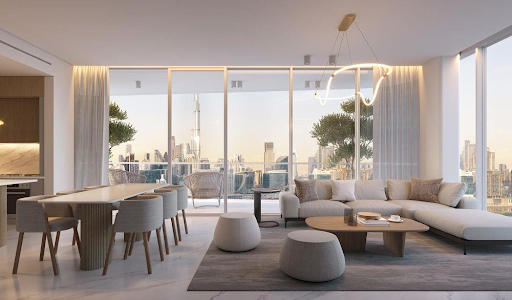
Luxury apartments in Dubai are becoming smarter and more exclusive. Discover the trends shaping Dubai’s high-end residential market with Professor Property.
Ask anyone who’s toured a few new towers in Dubai lately and they’ll tell you the same thing. The marble’s still there, and so are the views. But what people actually talk about on the drive home is the stuff they didn’t expect: the door that opened from their phone, the lift that knew which floor they wanted, the show apartment that was already cool before anyone walked in.
That’s a good sign the market has moved on. If you’re starting to look at luxury apartments in Dubai, and especially if it’s your first purchase here, it pays to understand why buildings are changing. It’s not only about comfort. These features affect your monthly costs, how fast you’ll find tenants, and what someone will pay you for the place years from now. When people ask how to invest in Dubai real estate without regretting it later, this is usually where the conversation starts.
So What Makes a Home in Dubai “Smart” These Days?
Honestly, the early smart homes weren’t that smart. You’d get a touchscreen by the door, use it the first weekend, and then go back to flicking switches like everyone else.
The newer luxury homes in Dubai are more useful and less flashy. Say you’re at work and the AC technician turns up early. You let him in from your phone. The building has one app for everything, from guest passes to gym slots to that dripping bathroom tap. And the cooling turns itself down when the flat’s empty. That last one sounds boring until July, when you open your DEWA bill.
Here’s why it matters if you’re buying to rent out. A lot of tenants at the top end are people relocating with their jobs. They’ve lived in nice places in London or Singapore, and they notice what’s missing. A flat that feels dated can sit empty for an extra month while the one next door gets snapped up. That month comes straight out of your return.
One thing people forget to ask: who fixes all this when it breaks? Software goes out of date. Companies get bought. Before you sign, find out who maintains the systems and whether that’s built into the service charge. Clever tech with nobody looking after it is just expensive clutter.
Is Green Building Worth Paying For? A Look at Property Prices in Dubai
A lot of the push here comes from the top. The Dubai Clean Energy Strategy 2050 aims for 75% of the emirate’s energy to come from clean sources by 2050, and Dubai Municipality’s Al Sa’fat rating system sets green standards for new buildings. So developers aren’t adding sustainability out of kindness. They have to.
What you actually get isn’t very exciting to look at. Better window glass. More insulation. District cooling. Solar panels over the car park. A few EV chargers downstairs. The Sustainable City in Dubailand took all of this and built an entire neighborhood around it, and quite a few premium towers have quietly picked up the same habits.
Now, the honest answer on value. A green building won’t magically command higher property prices in Dubai if it’s in the wrong spot. Location still wins, every time. But picture two similar apartments on the same street, and one costs noticeably less to run each month. Which would you rent? Tenants think the same way, and so will the person buying from you later.
Branded Residences and Smaller Off-Plan Projects in Dubai
This is the part of the market that gets the headlines.
Branded residences, homes connected to a hotel or fashion name, are everywhere in Dubai’s top tier now. Armani Residences in the Burj Khalifa and the Bulgari homes on Jumeira Bay are the ones people usually mention, and new names keep announcing projects. You’re paying partly for the service, partly for the name. Whether the name is worth it is a fair question, and the answer depends a lot on the brand and the building.
The quieter trend, and personally the more interesting one, is developers simply building fewer homes. Two apartments per floor instead of ten. Your own lift. A pool that isn’t packed with strangers on a Friday. If you want to buy luxury property in Dubai and sell it well later, scarcity is your friend. There’s less identical stock to compete with.
Plenty of these are sold off-plan, so you’re buying before the building is up and paying in stages. Off-plan properties in Dubai can make a big purchase easier to manage. They also need more checking, not less.
How to Buy Property in Dubai Safely (The Unglamorous Bit)
The rules here are actually good. Better than in a lot of places. But they only help if you check.
First, the agent. They should be registered with RERA, which is part of the Dubai Land Department (DLD). Every advertised property should have a Trakheesi permit number on it. No number? That’s your answer.
Then the developer. Brochures are easy to make. Finished buildings aren’t. Go see something they completed a few years ago if you can. Look at the hallways and the lifts, not the lobby.
If it’s off-plan, ask two questions and get proof for both. Is your money going into the project’s escrow account? (Dubai Law No. 8 of 2007 requires it.) And is the sale registered with the DLD through Oqood?
Then sit down with a calculator. There’s the 4% DLD transfer fee, plus registration and agency fees. Service charges in luxury buildings are higher than most first-time buyers expect, so take them off your rental estimate before you get excited about yields. And look at what comparable flats actually sold for. The DLD publishes that data, and it’s far more useful than asking prices.
One last thing. Property worth AED 2 million or more can qualify you for the UAE’s ten-year Golden Visa, subject to the current rules. Add the fact that there’s no annual property tax or personal income tax on rent, and Dubai property investment starts to look very attractive. That’s exactly when people rush. Don’t.
Before You Fall in Love With the View
It happens to nearly everyone. You walk into a show apartment, see the skyline, and something in your head goes quiet. Totally normal. Just make sure someone sensible is standing next to you when it happens.
Professor Property is a DLD-licensed real estate agency in Dubai that spends its days helping first-time buyers and overseas investors work through exactly these questions. Which project fits your plans, whether the paperwork is in order, and how to get the sale registered properly.
If you’re thinking about buying one of Dubai’s smarter, greener homes, visit Professor Property and book a consultation first. Ask all the awkward questions. That’s what it’s for.