
Most work wardrobes fail for one boring reason: we buy them in a panic the night before a new job starts. I did exactly that years ago, grabbed a pair of boots in a dim warehouse aisle because they were on sale, then limped through three weeks of ten-hour shifts wondering why my knees hated me.
The fix isn’t a big budget or a background in industrial design. It’s deciding what your day actually demands before you let the pretty stuff sway you. Workwear that holds up gets chosen in a specific order, and the footwear almost always goes first because it carries every step you take.
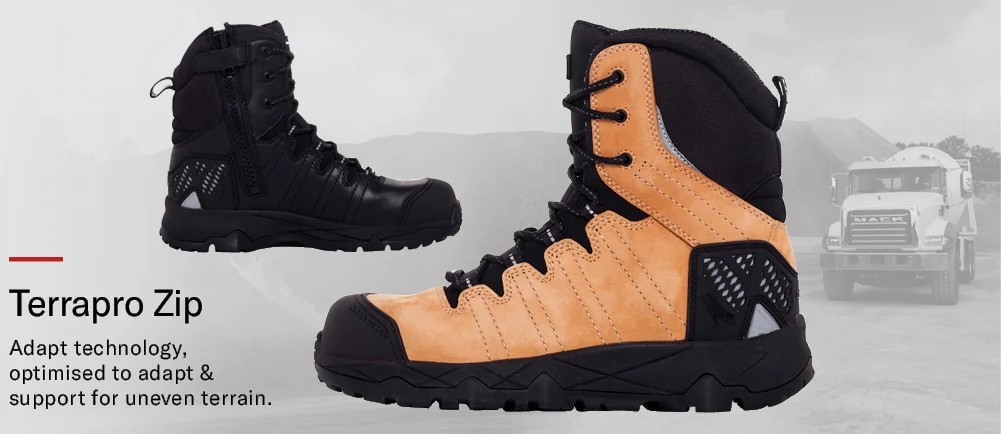
Where that gets complicated is the crossover pair, the boot that looks sharp enough for the school run but can also survive a muddy site or a busy kitchen. That’s where a proper pair of Safety Boots earns its place, since you get the protection without looking like you borrowed your uncle’s gardening gear from 1998.
Why do so many work outfits look off in photos?
Because people build them backwards. They pick the jacket that photographs well, then wedge the practical pieces in at the end. The result is a silhouette that fights itself, and you can spot it instantly in a group picture.
Here’s the reading I’ve landed on after watching plenty of moms juggle jobs that straddle a desk and a worksite. Comfort and function carry practical weight in work settings, and clothing that fits the task tends to reflect how you move through the day. So build from the ground up, literally. The shoe sets the proportions, the pants follow the shoe, and the top follows the pants.
Start with what touches the ground. Everything above it is easier to fix.
My three-layer starter test for any work outfit
I call this the Three-Layer Starter Test, mostly because I scribbled it on a sticky note that’s still stuck to my fridge. It’s the quick pass I run mentally before I buy anything for work.
Layer one: the ground contact. Your footwear has to match the surface. Wet concrete, a greasy kitchen floor, gravel driveways, a warehouse floor that’s one long slip hazard. Ask what the sole is actually built for before you ask what the color says about you.
Layer two: the pivot point. That’s your waist and knees. Baggy pants that drag on the heel or pinch at the crotch will sabotage a good boot faster than anything else. You want enough give to squat, climb, or sit on the floor with a toddler at story hour.
Layer three: the armor. Jackets, vests, gloves, knee pads. These are the pieces that take the beating so your body doesn’t. Add them last and match them to the first two layers, not the other way around.
If you run this test and something feels awkward, you’ve found the weak layer. Fix that one and move on.
The single bar test I use to split work and home
Here’s the useful shocker: your workwear and your home clothes don’t have to live in separate closets. A pair of jeans that hits a mid-wash and a plain tee covers a site shift and a grocery run just fine.
What doesn’t cross over neatly is footwear, unless you plan for it. When picking a crossover pair, I run a single bar test before I commit:
- Would you wear it to a school pickup without anyone asking if you’re heading to work? If yes, it passes on looks.
- Does the sole grip when you twist on a wet floor? That’s your safety check, and you can test it in the store aisle.
- Can you stand in it for three straight hours without shifting to your heels? If not, it’s a strictly decorative shoe.
- Does the toe box feel cramped when you add a thick work sock? Try that sock in the store, not at home.
Boots built to standards carry protective toe caps and slip-resistant soles, so it helps to know what you’re actually buying. The International Organization for Standardization publishes the global benchmarks for protective footwear, and asking a retailer which standard a boot meets is never a strange question.
What to actually buy for a shift-heavy week
Picture a busy week: Monday morning on a site in damp weather, a Tuesday evening running errands, a Wednesday where you need something smart enough for an office catch-up. You can’t cover all of that with one outfit, but you can cover it with three that share pieces.
My tested setup looks like this. One sturdy pair of lace-up boots with a lug sole handles the wet days. One lighter slip-on or zip-side pair covers the quick errands and the kitchens. One plain pair of dark jeans and one pair of durable work pants do the rest, and you swap tops and outer layers depending on the day.
What you want to avoid is the cheap all-purpose boot that has a pretty profile and a paper-thin sole. It looks great in a product photo and folds after a wet week. I’ll take a slightly chunkier sole over a sleeker shape any day, because a boot that keeps you upright is worth more than one that matches a jacket.
A quick word on the real hazards
If your work involves heavy materials, flying debris, or a fast-moving floor, boot shopping isn’t just an aesthetic choice. The Occupational Safety and Health Administration treats protective footwear as part of a broader hazard assessment, so if your job hands you a boot allowance or a spec sheet, use it.
The practical takeaway: match the boot to the hazard, not to the trend. If your job involves wet floors, look for slip-resistant soles and a water-resistant upper. If it involves heat, look for heat-resistant sole materials. If it involves dropped tools or heavy loads, confirm the toe protection before you spend a cent.
Getting dressed without the morning scramble
Here’s the part that saves me time every single day. Lay out the week’s work outfits on Sunday afternoon. Not in a controlling way, just a five-minute sort of what’s clean and what’s realistic.
Pull the two boots you’ll actually wear to the front. Hang the jeans and work pants where you can see them. Keep your safety glasses, gloves, and socks in one bin by the door. When you’re rushing out at six in the morning, the last thing you need is a hunt for a matching sock or the pair of boots that got shoved to the back of the closet.
Do that twice and it becomes a habit you’ll guard. Small storage decisions make a bigger difference to a working week than any single purchase, which sounds boring and happens to be true.
Wear it, then decide
The comfortable, protective, decent-looking work wardrobe isn’t a fantasy. It just asks you to start at ground level, layer upward, and test the boot on the surface you’ll actually walk on. Buy the crossover pair that clears your bar test honestly. Skip the one that looks good in the box.
And if you’ve ever done a full shift in the wrong boots, you already know why this matters more than any jacket in your closet. So what’s the one workwear piece you’d replace first if you had the chance to do it right tomorrow morning?