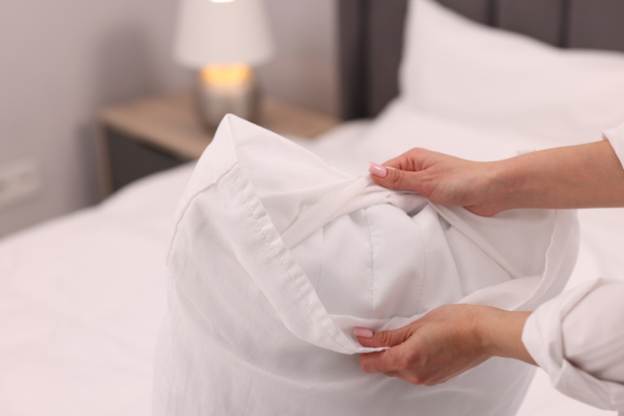
Photo by Africa images on Canva
Sleep hygiene is often treated as a small lifestyle detail, but it can shape how well someone rests, recovers, and functions the next day. While many people focus on the number of hours they spend in bed, the quality of those hours matters just as much.
A poor sleep routine can build gradually. Late-night scrolling, inconsistent bedtimes, cluttered rooms, uncomfortable bedding, and bright lighting can make it harder to settle down and wake feeling refreshed. Improving sleep hygiene does not require a complete lifestyle overhaul. It starts with small, repeatable changes that make the body and mind more prepared for rest.
What Sleep Hygiene Really Means
Sleep hygiene is about building conditions that make sleep easier to approach and maintain. This includes what happens before bed, how the bedroom is set up, and how consistent the routine feels from one night to the next.
A strong sleep hygiene routine often includes:
- Going to bed and waking up at similar times
- Keeping the bedroom cool, dark, and quiet
- Reducing screen use before bed
- Limiting heavy meals or caffeine late in the day
- Creating a calm wind-down routine
- Keeping bedding clean and comfortable
These habits help signal that the day is ending. Over time, the bedroom becomes associated with rest rather than stress, entertainment, or unfinished tasks. This matters because sleep is easier when the environment supports it instead of competing with it.
Your Bedroom Environment Plays a Bigger Role Than You Think
The bedroom directly affects how easy it is to relax. Light, noise, temperature, clutter, and comfort all influence the atmosphere of the room. If the space feels chaotic, too warm, too bright, or physically uncomfortable, it can become harder to switch off.
Start with the basics. A dark room can help reduce distractions. Curtains, blinds, or an eye mask may help if outside light enters the room. Noise can be managed with closed windows, soft furnishings, or a consistent background sound if complete quiet is not possible. Temperature also matters, as an overly warm or cold room can lead to restlessness.
Clutter is another overlooked factor. A bedroom filled with laundry, paperwork, and random items can keep the mind active. Clearing bedside tables, floors, and visible surfaces can make the space feel calmer without requiring any major redesign.
Comfort should also be reviewed honestly. A supportive mattress, suitable pillows, and clean bedding all contribute to the bed’s inviting feel. Brands such as Doze Bedding fit naturally into this conversation because high-quality bedding is part of the wider sleep environment, not just a decorative choice.
Bedding and Cleanliness Are Part of Sleep Hygiene
Bedding is one of the most personal parts of the sleep environment. Sheets, pillowcases, duvets, and covers sit close to the body for hours each night, so their cleanliness and comfort should not be treated as an afterthought.
Regular washing helps keep the bed feeling fresh. Pillowcases may need more frequent attention because they come into contact with skin, hair, skincare products, and natural oils. Sheets and duvet covers should also be changed consistently, especially during warmer months or after illness.
Comfort matters as much as cleanliness. Bedding that feels scratchy, too heavy, too thin, or difficult to care for can interfere with the feeling of rest. When people review their sleep setup, they often focus on the mattress first, but the layers closest to the body also deserve attention.
For those updating their bedroom as part of a healthier sleep routine, https://www.dozebedding.com/ is worth considering choosing bedding that feels comfortable, clean, and suited to regular use. The goal is not to overcomplicate the bed, but to make it feel easier to settle into at the end of the day.
Evening Habits Can Support or Disrupt Rest
Sleep hygiene is not only about the bedroom. The final hour before bed can strongly influence how prepared someone feels for sleep. A rushed or stimulating evening routine can make it harder to wind down, even if the bedroom itself is comfortable.
A better evening routine might include dimming lights, putting away work materials, taking a warm shower, reading, stretching gently, or preparing clothes for the next day. These actions are simple, but they create a clear transition between daytime responsibilities and rest.
Screen use is worth reviewing. Phones, tablets, and laptops can keep the mind engaged long after the body is tired. If avoiding screens completely is unrealistic, setting a cut-off point or moving the phone away from the bed may help.
Small Changes Are Easier to Maintain
One reason sleep hygiene advice can feel overwhelming is that people try to change too much at once. A more realistic approach is to choose two or three habits and repeat them consistently.
For example, someone might start by setting a regular bedtime, changing bedding weekly, and keeping the phone away from the pillow. Another person might focus on reducing bedroom clutter, switching to softer lighting, and making the bed each morning.
The best changes are the ones that fit real life. A parent, shift worker, student, or busy professional may not be able to follow the same routine every night. That does not make sleep hygiene pointless. It simply means the routine should be flexible enough to survive imperfect days.
It can help to think of sleep hygiene as a set of cues. Each cue tells the body and mind that rest is approaching. Clean bedding, lower lighting, a quieter room, and a consistent routine all work together to make bedtime feel less abrupt.
Conclusion
Sleep hygiene matters because it shapes the conditions around rest. It is not only about willpower or going to bed earlier. It is about creating habits and surroundings that make sleep feel more natural, comfortable, and repeatable.
A healthier routine can begin with simple steps: clearing the bedroom, washing bedding regularly, adjusting lighting, reducing evening screen time, and keeping a more consistent schedule. None of these changes need to be dramatic, but together they can make the bedroom feel more supportive.
Good sleep hygiene is ultimately about paying attention to the small details that affect nightly rest. When the bedroom is cleaner, calmer, and easier to use, sleep becomes less of a struggle and more of a routine the body can recognize.