
Melbourne Nissan owners may recover more value from an unwanted vehicle through wrecking than through a private sale. Age, accident damage, missing components, registration status, and demand for replacement parts can all influence the final offer.
A reliable wrecking service evaluates the entire vehicle rather than focusing only on its appearance. This helps owners compare offers, organise collection, and avoid ongoing towing or storage costs while the vehicle is still unused.
Before requesting a quote, owners should note the Nissan’s model year, variant, kilometres, condition, damage, and location. These details help estimate parts demand and transport requirements.
Checking with the established Nissan car wreckers in Melbourne can also confirm whether damaged, non-running, or scrap vehicles are accepted. Providing accurate information reduces uncertainty and supports a more realistic initial offer.
What Shapes the Offer?
The primary factors that determine a Nissan’s wrecking value are its model, age, condition, and the demand for its parts. Popular models may attract greater interest because other vehicles can reuse their engines, transmissions, suspension components, doors, lights, and interior fittings.
The vehicle identification number helps confirm the exact model and factory specification. A Pulsar, Navara, X-Trail, Patrol, or smaller hatchback may each receive a different assessment because their parts markets vary. Accurate details reduce the risk of valuing the wrong variant.
Why Reusable Parts Matter
Wreckers do not assess every vehicle only by its scrap-metal weight. They inspect components that can be tested, removed, and sold for future use. A working engine or transmission may contribute more value than the metal body alone.
Body panels, alloy wheels, catalytic converters, starter motors, alternators, and electronic modules can also influence the offer. A complete vehicle with serviceable parts generally receives stronger consideration than one missing major assemblies.
Owners should still provide an honest description of known faults. Details about mechanical issues, flood exposure, collision damage, or missing keys allow the buyer to make a more accurate assessment with fewer assumptions.
Does Damage Reduce Every Offer?
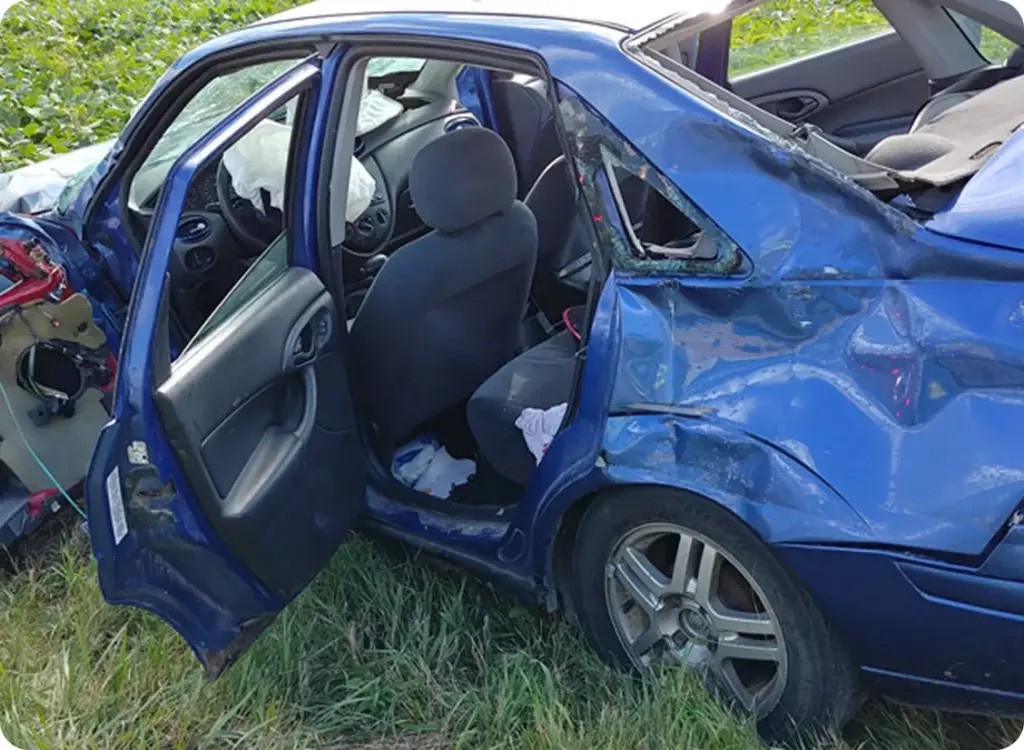
Accident damage does not automatically make a Nissan vehicle worthless. A vehicle with front-end damage may still contain a usable engine, gearbox, rear assembly, doors, glass, and electronic equipment.
Non-running vehicles can retain value when their major components remain suitable for reuse. Severe rust, fire damage, flood exposure, and missing parts may lower the offer, especially when essential systems are unsafe or badly affected.
Photographs can improve the first assessment. Every useful image should show the front, rear, sides, interior, engine bay, odometer, tyres, and damaged sections. Clear evidence helps produce a closer estimate before an inspection takes place.
Why Free Removal Changes the Calculation
Transport costs can reduce the amount an owner ultimately receives. A vehicle requiring collection from a driveway, workplace, roadside, or enclosed car park may need specialised towing equipment.
Free removal keeps the quoted amount closer to the final payment. Owners should confirm whether collection covers their suburb and whether additional charges apply for restricted access, missing wheels, or locked steering.
Pickup timing can also affect the overall convenience of the pickup. Same-day collection may suit a vehicle blocking a driveway, while a scheduled booking gives owners time to remove belongings and prepare the required documents.
Questions Worth Asking Before Booking
A responsible buyer should explain how the Nissan will be valued and whether the quote depends on an in-person inspection. Owners should ask the payment schedule, which documents are required, and whether cancelling the booking involves a fee.
Registration status should also be discussed before collection. Plates, transfer paperwork, proof of ownership, and identification may affect the handover process. Removing personal belongings, toll tags, parking permits, and private documents helps prevent avoidable issues.
Before accepting an offer, owners can compare it with likely advertising, repair, towing, storage, and transfer expenses. A lower headline amount may still offer better value when removal and paperwork are included.
Conclusion
The strongest wrecking value usually comes from assessing the Nissan’s complete condition, reusable parts, location, and removal requirements. Owners can improve quote accuracy by sharing the model, year, damage details, photographs, and ownership documents before booking.
Comparing the final amount after towing and related expenses gives a clearer result than relying on the first figure quoted. With accurate information and practical collection terms, an unwanted Nissan can be removed responsibly while returning useful value.