
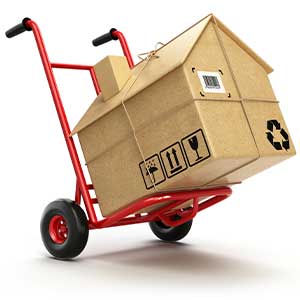
Building relocation is the process of moving an existing structure from one site to another rather than demolishing it and building something new. It can involve moving a small residential house, a historic building, a commercial structure, a modular unit, or even a large industrial facility. While the idea may sound unusual at first, it is a practical solution in many situations where a building still has value, but its current location no longer works. The process requires engineering, planning, permitting, specialized equipment, and careful coordination. When done correctly, building relocation can save money, preserve important structures, reduce waste, and solve land-use problems.
How Building Relocation Works
Building relocation typically starts with a professional assessment of the structure. Engineers and relocation specialists inspect the foundation, framing, materials, size, weight, and overall condition of the building. They also evaluate whether the structure can withstand lifting, transport, and placement at a new site. If the building is suitable, the team develops a relocation plan that includes route analysis, utility coordination, equipment requirements, permits, and site preparation. The structure is then separated from its foundation, lifted with hydraulic jacks, placed on specialized dollies or trailers, and carefully transported to the new location.
Once the building reaches the destination, it is positioned over a prepared foundation. Crews lower the structure into place, secure it, reconnect utilities, and complete any required repairs or updates. Depending on the building type, additional work may include foundation reinforcement, plumbing modifications, electrical upgrades, code compliance improvements, or exterior repairs. The process can take weeks or months, depending on the size of the building and the complexity of the move. A simple small-home relocation may be relatively straightforward, while a historic or commercial move may involve multiple agencies and extensive planning.
Why People Relocate Buildings
One of the main reasons people choose building relocation is to preserve a valuable structure. A building may have historical, architectural, cultural, or sentimental importance that makes demolition undesirable. In other cases, the building may be in good condition and worth keeping, but the land it sits on is needed for redevelopment, road expansion, flood mitigation, or another project. Relocating the structure allows the owner to keep the asset while freeing up the original site for a new use. This can be especially helpful in growing cities where land values are rising, and older buildings are at risk of being removed.
Building relocation can also make financial sense when the cost of moving a structure is lower than the cost of building a comparable one from scratch. This is more likely when the building is well-built, has unique features, or would be expensive to reproduce. For example, moving a solidly constructed home may be more affordable than constructing a new home with similar materials and craftsmanship. Businesses may also relocate offices, cabins, or modular structures to avoid the cost and delay of new construction. In the right circumstances, relocation can be both economical and efficient.
When Building Relocation Makes Sense
Building relocation makes the most sense when the structure has enough value to justify the effort. That value may be financial, historical, environmental, or personal. A structurally sound building with reusable materials, attractive design, or strong market value is usually a better candidate than a deteriorated structure with major damage. The new site must also be suitable, with enough space, proper zoning, access for transport equipment, and a foundation designed for the building. If the route between the old and new locations is manageable, the project becomes more realistic.
Common situations where building relocation may be a smart choice include:
- A historic building needs to be preserved before redevelopment occurs.
- A home is located on land that is being sold, cleared, or repurposed.
- A structure is threatened by flooding, erosion, or environmental hazards.
- A business wants to reuse an existing building at another property.
- A property owner wants to reduce construction waste.
- A developer wants to clear a site without destroying usable structures.
- A municipality needs to move a building for road, utility, or infrastructure work.
Benefits of Building Relocation
The biggest benefit of building relocation is preservation. Instead of tearing down a useful or meaningful structure, relocation gives it a second life. This is especially important for historic buildings, older homes with distinctive craftsmanship, and structures that contribute to a community’s character. Relocation can help protect architectural details that may be difficult or expensive to recreate today. It also prevents the loss of materials, labor, and design value already invested in the building.
Another major benefit is sustainability. Demolition creates large amounts of waste, including wood, concrete, brick, drywall, metal, glass, and roofing materials. By moving a building instead of demolishing it, owners can reduce landfill waste and lower the demand for new building materials. This can support green building goals and environmental responsibility. In some cases, relocation may also reduce the carbon impact associated with manufacturing, transporting, and installing new materials. For organizations with sustainability commitments, building relocation can be a practical way to align construction decisions with environmental values.
Challenges to Consider
Although building relocation has many advantages, it is not the right solution for every structure. The building must be strong enough to move safely, and some structures may require reinforcement before they can be lifted. Brick, stone, and concrete buildings can be more challenging than wood-frame structures because of their weight and rigidity. Tall, wide, or irregularly shaped buildings may also face transportation limits. If the building has severe structural damage, relocation costs may exceed the value of saving it.
Permits and logistics can also be complicated. Moving a building may require approval from local governments, transportation departments, utility companies, police departments, and preservation boards. Overhead power lines, trees, bridges, traffic signals, road widths, and sharp turns can all affect the route. Crews may need to temporarily remove signs, lift utility lines, close roads, or coordinate traffic control. These factors can add time and cost to the project. That is why early planning is essential before committing to building relocation.
Cost Factors in Building Relocation
The cost of building relocation depends on many variables. Size and weight are major factors because larger and heavier structures require more equipment, labor, and planning. Distance also matters, but a short move is not always simple if the route includes obstacles or difficult terrain. Foundation work, utility disconnection, utility reconnection, permits, insurance, site grading, and repairs can all affect the final price. Owners should look at the complete project cost, not just the cost of physically moving the structure.
Important cost factors include:
- Building size, height, width, and weight
- Structural condition and required reinforcement
- Distance between the old and new sites
- Route complexity and road access
- Utility disconnection and reconnection
- Permit requirements and inspection fees
- New foundation construction
- Site preparation and grading
- Repairs, upgrades, and code compliance work
Because costs vary so much, it is important to get a detailed estimate from a qualified building relocation company. A reliable estimate should explain what is included, what is not included, and which costs may change during the project. Owners should also budget for unexpected repairs after the move. Even a well-planned relocation can reveal issues once the building is lifted or placed on the new foundation.
FAQ About Building Relocation
What types of buildings can be relocated?
Many wood-frame homes, historic buildings, modular structures, cabins, small commercial buildings, and some masonry buildings can be relocated. The structure must be evaluated to confirm it can withstand lifting and transport.
Is building relocation cheaper than new construction?
It can be, but not always. Relocation may save money when the building is in good condition and expensive to replace, but total costs depend on route, permits, foundation work, utilities, and repairs.
How long does building relocation take?
The physical move may take only a day or a few days, but planning, permitting, site preparation, foundation work, and utility coordination can take much longer. Many projects require several weeks or months from start to finish.
Does the building need a new foundation?
Yes, in most cases, the destination site needs a new foundation prepared before the building arrives. The foundation must match the structure and meet local building code requirements.
Can historic buildings be moved?
Yes, historic buildings are often relocated to protect them from demolition, redevelopment, or environmental threats. However, extra care is usually needed to preserve original materials and architectural details.
What happens to plumbing and electrical systems?
Utilities are disconnected before the move and reconnected at the new location. Some systems may need upgrades to meet current codes or fit the new site conditions.
How to Decide If Building Relocation Is Right for You
The best way to decide is to compare the building’s value against the full cost and complexity of moving it. Start by asking whether the structure is worth saving, whether it is in good condition, and whether it serves a purpose at the new site. Then consider the route, permits, foundation needs, utilities, and required repairs. If the numbers work and the building has long-term value, building relocation may be a smart alternative to demolition. If the structure is badly damaged or the move is unusually complex, rebuilding may be more practical.
A professional assessment is the most important next step. Experienced relocation contractors and structural engineers can identify risks, estimate costs, and explain what is possible. They can also help determine whether the building needs reinforcement, whether the route is feasible, and whether the new site is ready. For property owners, developers, municipalities, and preservation groups, building relocation can be a powerful option when a structure deserves to be saved. When the conditions are right, it offers a practical way to preserve value, reduce waste, and make better use of land.