
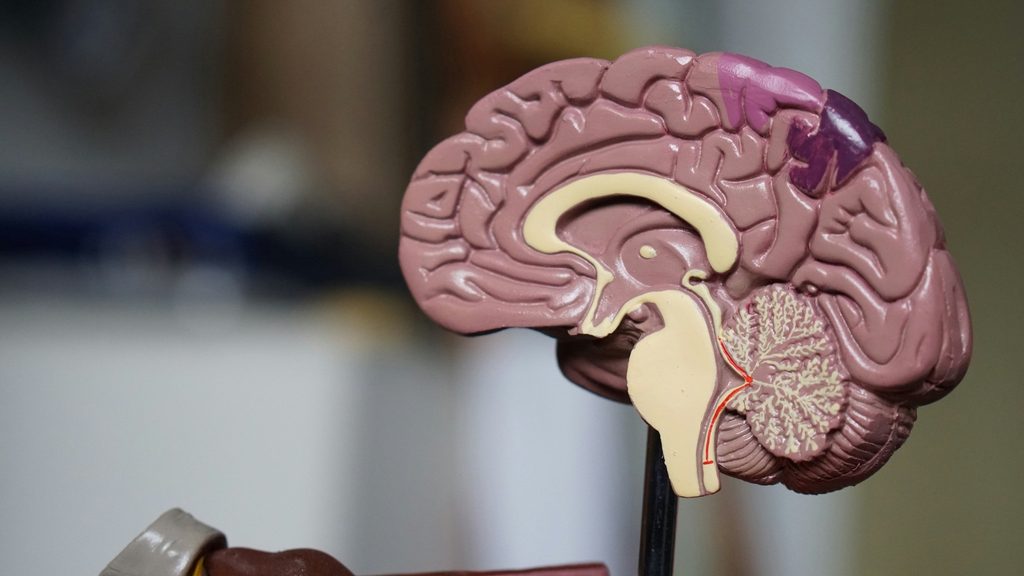
The health of our brain is closely tied to the information it gets from our senses. While we often focus on diet and exercise, how much hearing contributes to keeping our minds sharp is a crucial piece of the puzzle that needs more attention. Protecting your hearing isn’t just about catching every word in a conversation; it’s about giving your brain the stimulation it needs to stay engaged and active for years to come.
Hearing Loss and Cognitive Decline
The link between hearing loss and cognitive decline is well-established. When you struggle to hear, your brain has to work extra hard to figure out and understand sounds. This extra effort, often called “cognitive load,” means that mental resources usually used for memory and other higher-level thinking get pulled away to process sound instead. Over time, this constant strain can really take a toll.
Research shows a strong connection between how severe hearing loss is and the risk of developing dementia. The brain might even change its structure when it doesn’t get enough sound stimulation, possibly shrinking in areas responsible for processing sound and memory. Understanding the connection between hearing loss and dementia risk is the first step toward taking action for your long-term cognitive health.
Stay Sharp with Clear Sound
Getting clear hearing back can directly and positively affect your brain. When sounds come through clearly, your brain no longer has to struggle to make sense of incomplete information. This frees up valuable mental resources, letting them be used for their intended purposes, like remembering details, solving problems, and staying focused.
For people with hearing difficulties, modern solutions can make a big difference. Professionally fitted hearing aids are designed to boost the specific frequencies you’re missing, delivering a fuller, richer soundscape to your brain. This renewed stimulation helps keep auditory pathways active and healthy. Studies even suggest that using these devices might help improve brain function that has been affected by hearing loss, showing that it’s never too late to support your cognitive health.
Active Listening Keeps Mind Engaged
There’s a big difference between just hearing a sound and actively listening. Active listening is a complex mental exercise that involves paying attention, understanding meaning, and storing information in your memory. It’s a mental workout you do all day without even realising it. From joining a lively debate to following a movie’s plot, your brain is always engaged.
When hearing becomes difficult, your ability to listen actively shrinks. You might start missing subtle tones, misunderstanding words, or simply tuning out because it’s too much effort. By making sure you can hear clearly, you allow your brain to keep doing this essential exercise, keeping it flexible and responsive.
Preventing Social Isolation
One of the most damaging effects of untreated hearing loss is social withdrawal. When you can’t follow conversations in restaurants, at family gatherings, or community events, it’s natural to start avoiding those situations. This retreat from social life can lead to loneliness and isolation, which are significant risks for cognitive decline and depression.
Humans are social creatures, and regular interaction is vital for mental stimulation. Conversations challenge us to think quickly, recall information, and express complex ideas. By keeping your ability to hear and participate in the world around you, you’re also protecting yourself from the cognitive risks tied to isolation. Staying connected to friends, family, and your community is a powerful way to preserve brain health.
Steps for Better Brain Health
Treating hearing loss is a big step toward supporting cognitive function, but it works best as part of a broader healthy lifestyle. You can take several practical steps to protect both your hearing and your brain.
- Protect Your Ears: Limit how much you’re exposed to loud noises from things like concerts, power tools, and loud music through headphones. Use ear protection when you can’t avoid loud places.
- Get Regular Check-ups: Just like you get your eyes checked, make regular hearing assessments part of your routine health care, especially as you get older.
- Stay Active: Physical exercise increases blood flow to the brain, and social activities provide important mental stimulation.
- Challenge Your Mind: Get involved in hobbies that make you think, such as reading, puzzles, learning a new skill, or playing an instrument.
Taking care of your hearing is an investment in your overall quality of life and long-term cognitive vitality. Understanding the connection and taking proactive steps helps ensure your brain stays as healthy as possible.