
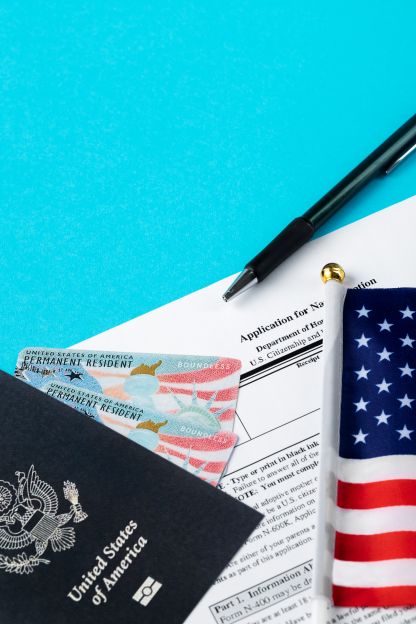
For many families, starting an immigration case is about something deeply personal: staying together, building stability, or creating a future in the same place. Numbers from Illinois reflect how important these cases are to communities across the state. In 2024, about 1.96 million Illinois residents were foreign-born, representing 15.4% of the state’s population. In addition, 922,400 US-born residents live with at least one immigrant parent, highlighting how immigration can shape entire families across generations.
Before moving forward, families should understand the immigration pathway involved, the documents they may need, potential eligibility issues, and the timelines that can influence the process. Working with reputable firms like the Hirsch Law Group law office can help families approach these decisions with greater clarity and prepare carefully from the beginning. Knowing what to expect can make the process feel more manageable and help families avoid preventable mistakes. The right preparation can provide a stronger foundation for each step that follows.
Start With the Correct Case Type
A consultation with a qualified immigration attorney helps a family identify the correct filing path before paperwork begins. A law office can review family relationships, prior entries, criminal records, and immigration notices within the case history. This review helps applicants avoid filing a petition or application that does not match their actual circumstances.
Family-based cases often involve a petition, an application for permanent residence, or consular processing. A spouse, parent, child, or other qualifying relative must meet specific legal requirements. The family should confirm the following:
- Who qualifies as the petitioner
- Who qualifies as the beneficiary
- Whether both people can provide the required proof
Some families need a different process. Humanitarian-based cases, removal defense, naturalization, and citizenship matters each require separate eligibility reviews. A person facing immigration court proceedings should not treat the matter like a routine family petition.
Build a Complete Family Record
Immigration decisions depend on documented facts. Families should collect passports, birth certificates, marriage certificates, divorce records, adoption documents, tax records, school records, and previous immigration filings.
The family should create a written timeline for every applicant. Include entries into the United States, prior applications, marriages, name changes, arrests, court cases, addresses, and employment periods. The dates mentioned on different forms and supporting records should match.
Missing documents require an explanation. A family should record the following:
- Who issued each document
- Why it is unavailable
- Whether another record proves the same fact
Translations must accurately reflect the original document and include the required translator certification.
Review Immigration and Criminal History
Applicants must accurately disclose prior immigration contact. This includes visa denials, border encounters, voluntary departures, removal orders, overstays, work without authorization, and previous applications.
Criminal history requires the same care. Even a dismissed charge can affect an immigration filing if the application asks about the arrest or court record. Families should obtain certified court dispositions instead of relying on memory or an online case summary.
A legal review should consider the combined effect of immigration history and criminal records. One family member’s situation can affect another person’s filing, sponsorship eligibility, admissibility, or available defense.
Plan for Financial Evidence
Many family-based filings require financial sponsorship. The sponsor must show enough income or qualifying assets under the applicable rules. Tax returns, wage statements, employment letters, and proof of household size often support that assessment.
Families should identify the sponsor early. If the sponsor does not meet the income requirement, the case may require a qualified joint sponsor or additional evidence. The family should understand each sponsor’s legal responsibility before submitting the paperwork.
Fees also require planning. Government filing fees differ by form and can change. Families should verify the current amount through official instructions before sending a payment because an incorrect fee can lead to rejection.
Prepare for Communication and Deadlines
Government notices control the timing of an immigration case. Families should keep one mailing address updated and check every notice for interview dates, biometric appointments, evidence requests, and response deadlines.
A missed notice can cause a case to stall or close. Applicants should keep copies of every form, receipt, payment confirmation, letter, and submitted exhibit. A simple case index helps the family find documents quickly.
Families should also decide who will communicate with the legal team. One contact person can reduce conflicting instructions and missed updates. Every applicant should still understand the case purpose and provide accurate information when asked.
Avoid Shortcuts That Create New Problems
Applicants should never sign a form that contains guesses, omissions, or information they do not understand. A small inconsistency can raise questions during an interview or evidence review.
Families should also avoid hiding prior immigration or criminal history. Government agencies compare applications, databases, interviews, and official records. Correcting an error before filing is usually easier than explaining an inaccurate statement later.
Seeking legal advice before making major decisions is essential. This includes the following:
- Traveling outside the United States
- Withdrawing an application
- Accepting a plea agreement
- Changing employment
The timing of one decision can affect the available immigration options.
Conclusion
Families should treat an immigration case as a fact-based project with legal consequences. The next step is to create a shared timeline, compile identity and relationship records, and schedule a case review before submitting forms or making payments. Each family member should know the filing purpose, expected evidence, and response plan for government notices. Early preparation does not guarantee approval, but it gives the family a cleaner record and more time to correct preventable errors.