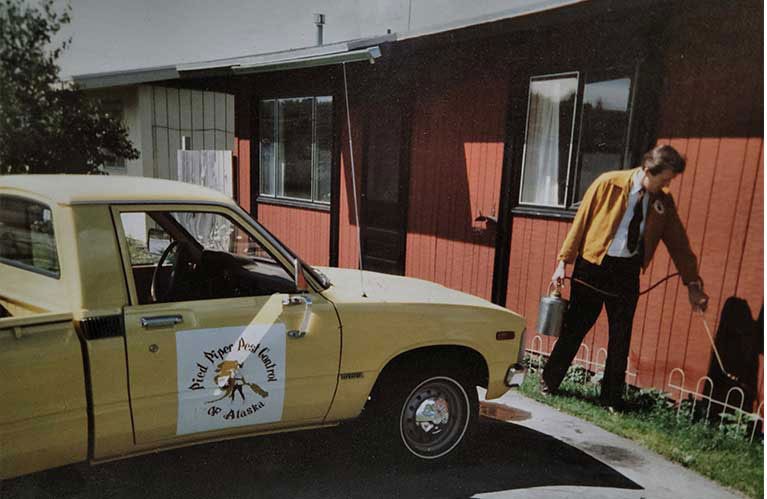
Living in Alaska offers countless advantages, from breathtaking natural landscapes and abundant wildlife to a unique sense of community and outdoor adventure. However, despite its colder climate and long winters, Alaska is not immune to pest problems. Many homeowners are surprised to learn that insects, rodents, and other nuisance pests can thrive in homes, businesses, and properties throughout the state. While Alaska may not experience the same pest pressures as warmer regions, infestations can still cause significant property damage, health concerns, and frustration if left untreated.
Because of Alaska’s unique climate and environmental conditions, pest management often requires specialized knowledge and treatment strategies. Seasonal changes, extended periods of darkness, fluctuating temperatures, and the state’s diverse ecosystems all influence pest activity. As a result, homeowners benefit from working with professionals who understand local pest behaviors and can develop customized treatment plans designed specifically for Alaskan properties.
If you’re wondering what pest control in Alaska includes, it’s important to understand that modern pest management involves far more than simply spraying chemicals around a home. Today’s pest control services focus on inspection, prevention, monitoring, treatment, and long-term protection. This guide explores the various services typically included in pest control programs for Alaska homeowners and explains how professional pest management helps protect homes throughout the year.
Why Pest Control Is Important in Alaska
Many people assume Alaska’s colder temperatures eliminate pest problems altogether. While harsh winters can reduce certain pest populations, many species have adapted to survive and thrive in the state’s environment.
Pests commonly seek shelter indoors to escape extreme weather conditions, making homes particularly attractive during colder months.
Professional pest control in Alaska helps homeowners:
- Prevent property damage
- Protect food supplies
- Reduce health risks
- Eliminate infestations
- Improve indoor comfort
- Prevent recurring pest problems
- Protect home value
Early intervention is often the most effective way to minimize pest-related issues.
Common Pests Found in Alaska Homes
Although Alaska experiences fewer pest species than many southern states, several pests remain common throughout residential properties.
Rodents
Rodents are among the most frequent pest concerns for Alaska homeowners.
Common species include:
- House mice
- Deer mice
- Norway rats
- Roof rats in certain areas
Rodents can cause problems by:
- Damaging insulation
- Chewing electrical wiring
- Contaminating food
- Spreading bacteria
- Creating nesting areas within walls and attics
Because rodents actively seek warmth during cold weather, infestations often increase during fall and winter.
Ants
Several ant species are found throughout Alaska.
Common concerns include:
- Carpenter ants
- Pavement ants
- Odorous house ants
Carpenter ants can be especially problematic because they tunnel through wood and may contribute to structural damage over time.
Spiders
Most spiders in Alaska are not considered dangerous, but many homeowners still prefer to reduce indoor spider activity.
Common hiding areas include:
- Basements
- Crawl spaces
- Garages
- Storage rooms
- Attics
Professional pest management can help reduce spider populations and limit future activity.
Wasps and Stinging Insects
During warmer months, stinging insects can become a nuisance around homes and outdoor living spaces.
Common species include:
- Yellowjackets
- Paper wasps
- Hornets
Nests located near entrances, decks, patios, or play areas may create safety concerns for residents and visitors.
Stored Product Pests
Pantries and food storage areas can occasionally attract pests such as:
- Flour beetles
- Grain beetles
- Pantry moths
These pests contaminate food products and may spread quickly if not addressed promptly.
The First Step: Comprehensive Pest Inspection
A thorough inspection is one of the most important components of professional pest control in Alaska.
Before developing a treatment plan, technicians typically evaluate the property to identify:
- Active pest activity
- Entry points
- Nesting areas
- Conducive conditions
- Structural vulnerabilities
- Moisture issues
Areas Commonly Inspected
Inspectors often examine:
- Foundations
- Attics
- Crawl spaces
- Basements
- Utility penetrations
- Exterior walls
- Garages
- Storage areas
This comprehensive approach helps determine the source of the problem and identify the most effective treatment solutions.
Pest Identification and Assessment
Different pests require different treatment methods.
Accurate identification allows technicians to determine:
- Pest species
- Population size
- Nesting locations
- Activity levels
- Risk factors
This information helps ensure treatment plans are both targeted and effective.
Rather than relying on generic treatments, professionals can develop strategies designed specifically for the pest problem present.
Exterior Pest Control Services
Many pest control programs focus heavily on exterior protection because preventing pests from entering the home is often the most effective long-term solution.
Exterior Barrier Treatments
Exterior applications may help reduce pest activity around the property.
Treatment areas often include:
- Foundation perimeters
- Entry points
- Windows
- Doorways
- Utility openings
- Eaves and rooflines
These treatments help create a protective barrier that discourages pests from entering the structure.
Entry Point Sealing
Exclusion services are a common component of pest control in Alaska.
Technicians may recommend sealing:
- Cracks
- Gaps
- Utility penetrations
- Foundation openings
- Damaged vents
Preventing access can significantly reduce future infestations.
Rodent Control Services
Because rodents represent one of Alaska’s most common pest concerns, rodent management is often a major component of residential pest control programs.
Rodent Inspections
Technicians look for signs such as:
- Droppings
- Gnaw marks
- Nesting materials
- Entry points
- Food contamination
Trapping and Removal
Depending on the situation, treatment may involve:
- Mechanical traps
- Monitoring devices
- Strategic placement of control measures
Rodent Exclusion
Long-term rodent prevention often includes:
- Sealing entry points
- Repairing structural gaps
- Installing protective barriers
Exclusion is frequently the most effective long-term rodent solution.
Ant Control Programs
Ant infestations can be challenging because colonies often extend beyond visible activity areas.
Professional ant control may include:
- Colony identification
- Nest location
- Targeted treatments
- Perimeter protection
- Ongoing monitoring
Carpenter Ant Control
Carpenter ants require special attention because of their potential impact on wood structures.
Treatment strategies may include:
- Nest elimination
- Moisture correction recommendations
- Structural inspections
- Exterior treatments
Addressing both the colony and contributing conditions helps improve long-term results.
Spider Management Services
While most Alaska spiders pose minimal risk, many homeowners prefer to minimize their presence indoors.
Spider control programs often focus on:
- Reducing food sources
- Treating activity areas
- Removing webs
- Managing entry points
Common treatment locations include:
- Basements
- Garages
- Crawl spaces
- Exterior wall surfaces
Because spiders frequently follow other insects into homes, broader pest management efforts often help reduce spider activity as well.
Wasp and Nest Removal Services
Stinging insects can present both nuisance and safety concerns.
Professional wasp management may include:
- Nest identification
- Safe nest removal
- Targeted treatments
- Prevention recommendations
Common nest locations include:
- Roof eaves
- Decks
- Sheds
- Garages
- Exterior wall voids
Removing nests early can help prevent larger infestations later in the season.
Preventative Pest Control Programs
Many homeowners choose ongoing service plans rather than waiting until problems occur.
Preventative pest control in Alaska often includes regularly scheduled visits designed to identify and address issues before they become major infestations.
Benefits include:
- Continuous monitoring
- Early detection
- Reduced infestation risks
- Consistent protection
- Improved peace of mind
Preventative programs are particularly valuable for homeowners who have experienced recurring pest problems.
Seasonal Pest Control Considerations
Pest activity changes significantly throughout the year in Alaska.
Spring
Common spring concerns include:
- Ant activity
- Emerging insects
- Nest establishment
Summer
Warmer temperatures may increase:
- Wasp activity
- Outdoor insect populations
- Ant foraging behavior
Fall
Many pests begin seeking indoor shelter.
Common concerns include:
- Rodent migration
- Entry point vulnerabilities
- Nesting activity
Winter
Indoor pest issues often become more noticeable as pests remain sheltered within structures.
Year-round monitoring helps address seasonal changes effectively.
Integrated Pest Management (IPM) Approaches
Modern pest control professionals often use Integrated Pest Management strategies.
IPM focuses on long-term prevention through a combination of methods.
These may include:
- Inspection
- Monitoring
- Exclusion
- Habitat modification
- Targeted treatments
- Ongoing evaluation
The goal is to address pest issues efficiently while minimizing unnecessary treatment applications.
Homeowner Education and Recommendations
A valuable part of professional pest control services involves educating homeowners about prevention strategies.
Technicians may recommend:
- Proper food storage
- Moisture control
- Vegetation management
- Waste management improvements
- Structural repairs
These recommendations help reduce conditions that attract pests.
Even small changes can make a significant difference in long-term pest prevention.
Signs You Should Schedule Pest Control Services
Homeowners should consider professional assistance if they notice:
- Rodent droppings
- Scratching sounds in walls
- Ant trails
- Damaged food packaging
- Insect nests
- Frequent pest sightings
- Gnaw marks
- Unexplained property damage
Prompt action often prevents minor issues from becoming larger infestations.
Protecting Your Home Throughout Every Season
Pest problems may not be as widely discussed in Alaska as they are in warmer regions, but they remain a genuine concern for homeowners across the state. From rodents and carpenter ants to spiders, wasps, and pantry pests, a variety of unwanted invaders can threaten comfort, safety, and property value. Professional pest control in Alaska typically includes comprehensive inspections, pest identification, exclusion services, targeted treatments, preventative programs, and ongoing monitoring designed to address the state’s unique environmental conditions. By taking a proactive approach to pest management, homeowners can reduce the likelihood of infestations, protect their investment, and enjoy greater peace of mind throughout every season. Whether you’re dealing with an active pest problem or simply want to prevent future issues, partnering with a knowledgeable pest control professional can help keep your home protected year-round.