
Learn the rugged device features that actually matter in the field, from durability ratings to battery life, cameras, connectivity, and tools built for tough jobs.
Rugged phones look tough, but not every rugged phone performs the same way outdoors. Picking the right rugged device features matters more than picking a brand name. Many buyers focus on headline specs and skip the details that decide real-world performance.
This guide breaks down what actually helps in the field, not just what sounds impressive on a spec sheet. You will learn how durability ratings work, what battery habits to expect, and which display and camera traits hold up outside.
Rugged Device Features That Matter Most
A truly rugged device combines sealed construction, reinforced housing, and tested resistance to drops, dust, and water. It is not a regular phone with a thick case.
Manufacturers reinforce internal components, seal ports, and use shock-absorbing materials around the frame. These design choices protect the phone during falls, spills, and dusty job sites. The goal is simple. The phone should keep working after the kind of accident that would disable a standard smartphone. Understanding this distinction helps you judge marketing claims more carefully before you buy.
Durability Ratings To Check
Look at the IP rating and drop rating before anything else. These two numbers tell you how the device handles water, dust, and physical shock.
IP Rating
An IP rating uses two digits. The first digit covers dust protection, and the second covers water protection. A higher first digit means better sealing against dust and sand. A higher second digit means the phone survives deeper water or longer submersion. Always check both digits, not just the headline number. Some listings only show one number clearly, so read the full spec sheet closely. A phone rated for splashes only will not survive full submersion, even briefly.
Shock Rating
Military standard testing, often shown as MIL STD 810H, checks resistance to drops, vibration, and temperature swings. This testing happens in general lab conditions, not your exact job site. Treat it as a helpful general guide rather than a guarantee for every scenario. A phone with a strong shock rating still deserves a protective case for daily heavy use. Corner reinforcement and internal shock mounts matter as much as the certification itself, since two phones can share a rating yet handle real drops differently.
Battery Life And Charging
Battery life decides whether a rugged phone survives a full shift without a charger nearby. Look past the raw capacity number and check real-world estimates.
Larger batteries help, but charging speed and standby drain matter just as much. A phone that holds charge well overnight saves you from carrying a power bank. Wireless charging is also worth checking, since it reduces wear on the sealed charging port over time.
When comparing options, check these battery-related points before buying:
- Rated capacity in mAh and estimated screen-on time
- Fast charging support and included charger wattage
- Wireless charging availability for port protection
- Standby drain over several idle days
- Battery replacement or swap options for older models
These points give a clearer picture than capacity alone. A large battery paired with poor standby drain can still leave you short on a long shift, so weigh both factors together before deciding.
Display And Camera Performance
Outdoor visibility and dependable photos matter more in the field than indoor benchmark scores. Check brightness and camera usability, not just resolution.
Screen Brightness
A bright display stays readable in direct sunlight, which matters for construction, farming, and outdoor navigation. Look for high nit ratings and anti-glare coatings. Touch sensitivity also matters, since many field workers use gloves. A screen that responds well with gloves on saves real time outdoors. Test the display under bright conditions before you commit, since store lighting rarely matches midday sun.
Rugged Device Features
Camera setups on rugged phones rarely match flagship phones for low-light detail. Instead, judge the camera on practical tasks. Can it focus on small labels, scan QR codes, and record clear video in mixed lighting? These tasks matter more than megapixel counts for most field jobs. A slightly lower resolution camera with fast, reliable focus often beats a higher resolution sensor that struggles indoors.
Connectivity And Navigation Tools
Reliable signal and accurate positioning matter as much as durability once you leave populated areas. Weak connectivity undermines even the toughest hardware.
Check which network bands the device supports before buying, especially if you travel between regions or carriers. Some rugged phones support fewer bands than mainstream flagships, which can cause dropped calls in remote areas. Dual SIM support also helps if you carry separate work and personal numbers.
Multi-system satellite support improves location accuracy in forests, canyons, and dense urban areas. Consider these connectivity points during your search:
- Supported network bands for your region and carrier
- Dual SIM or eSIM support for flexible use
- Multi-system GPS support, including GLONASS or QZSS
- NFC support for contactless payments and data transfer
Strong connectivity keeps you reachable and locatable even when hardware durability is not being tested directly.
Rugged Device Features For Field Work
Match the device to your actual job before comparing specs side by side. A construction worker and a hiker need different priorities from the same rugged category.
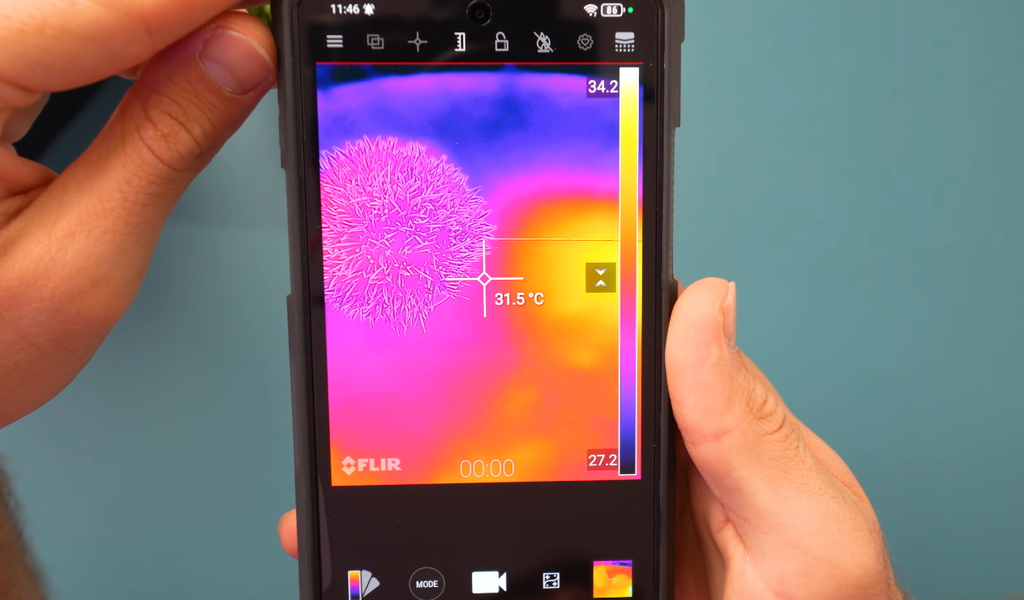
Some devices add specialist tools like thermal cameras, laser measurement, or extra-bright flashlights. These tools help only if your work actually needs them. Buying a feature you never use adds cost and weight without real benefit.
If thermal imaging supports your work, look closely at how the sensor performs in real conditions. The 8849 Tank 5 Pro is one example of a device built around this kind of thermal feature, and it is worth comparing sensor resolution and range against your specific job needs before deciding.
Conclusion
Choosing rugged device features comes down to matching real job risks with tested protection, not marketing claims. Start with IP and shock ratings, then check battery habits under real use. Confirm the screen stays readable outdoors and the camera handles practical field tasks like scanning labels. Review connectivity and navigation support if you work in remote areas. Add specialist tools only when your work genuinely needs them.
A focused checklist beats a long spec sheet every time. Test any shortlisted device against your actual work conditions before committing to a purchase.