
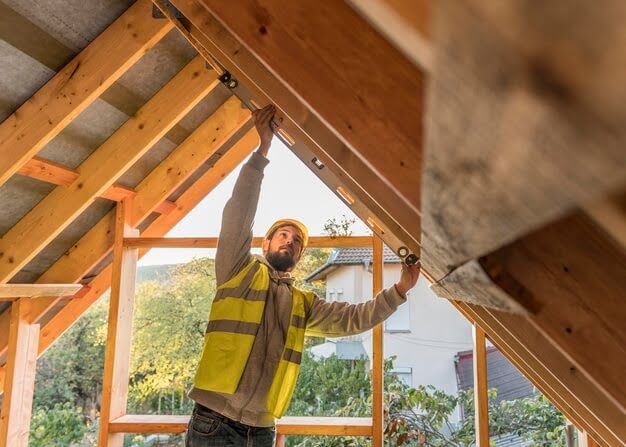
Your roof is one of the most important investments you’ll make in your home, and the contractor you choose to install it matters just as much as the materials themselves. Even the best shingles or roofing system won’t perform as expected if it’s installed incorrectly. A skilled, reputable contractor protects that investment, while a poor choice can lead to leaks, voided warranties, and expensive repairs down the road.
With so many roofing companies to choose from, it can be difficult to know who to trust. This guide walks through the key factors to evaluate, the questions to ask, and the warning signs to watch for so you can hire a contractor with confidence.
Why the Right Contractor Matters So Much
Roofing manufacturers design their products to perform a certain way when installed correctly, but even top-tier materials can fail prematurely if the installation is rushed or done improperly. Many of the biggest roofing problems homeowners face, from leaks around flashing to shingles that blow off in moderate wind, trace back to installation errors rather than the materials themselves.
Beyond performance, the right contractor also affects:
- Whether you qualify for the manufacturer’s best warranty coverage
- How smoothly the project timeline goes
- Whether the job meets local building codes and permit requirements
- How well any unexpected issues, like hidden decking damage, get handled
- Your overall experience and stress level throughout the project
Choosing carefully upfront saves you from bigger headaches later.
Start With Licensing, Insurance, and Certification
Before you evaluate anything else, confirm that a contractor meets the basic legal and professional requirements to do the work safely and correctly.
- Licensing: Roofing contractors should hold the appropriate state or local license required in your area. Ask for the license number and verify it independently rather than taking it at face value.
- Insurance: A legitimate contractor should carry both liability insurance and workers’ compensation coverage. This protects you financially if a worker is injured on your property or if damage occurs during the project.
- Manufacturer certification: Many roofing manufacturers offer certification programs for contractors who meet specific training and performance standards. Certified contractors often provide access to stronger warranty tiers that aren’t available through non-certified installers.
Never assume these things are in place. Ask directly, and request documentation if needed. A reputable contractor will have no problem providing it.
Look Into Experience and Local Reputation
Experience matters, but not all experience is equal. A contractor who has spent years working specifically in your region will understand local weather patterns, common roofing issues, and code requirements far better than one who primarily works elsewhere.
When researching a contractor’s background, consider:
- How long they’ve been in business under their current name
- Whether they specialize in residential roofing, commercial roofing, or both
- Online reviews across multiple platforms, not just their own website
- Photos of completed projects, ideally similar in scope to your own
- References from recent customers, especially ones you can actually contact
A pattern of consistent, positive feedback over time is generally more reliable than a handful of glowing reviews with no other information behind them.
Get Multiple Detailed Estimates
It’s tempting to go with the first quote you receive, especially if it sounds reasonable, but comparing multiple estimates gives you a clearer picture of fair pricing and helps you spot outliers in either direction.
A trustworthy estimate should include:
- The specific materials and product lines being used, not just a general description
- A clear breakdown of labor, materials, and any additional costs
- The estimated project timeline
- Details about tear-off, disposal, and cleanup
- Payment terms and schedule
Be cautious of estimates that are vague about materials or unusually low compared to others you’ve received. In roofing, prices that seem too good to be true often are, and can signal corners being cut on materials, labor, or insurance coverage.
Ask the Right Questions Before Hiring
A brief conversation with a potential contractor can reveal a lot about how they operate. Some useful questions to ask include:
- How long have you been in business, and how long have you worked in this specific area?
- Are you licensed and insured, and can you provide documentation?
- What manufacturer certifications do you hold?
- Will you handle the permitting process, or is that my responsibility?
- What warranty do you offer on workmanship, separate from the manufacturer’s material warranty?
- How do you handle unexpected issues discovered during the project, such as damaged decking?
- Who will be on-site supervising the work?
- What does your cleanup process look like once the job is finished?
A confident, detailed contractor should be able to answer these questions clearly and without hesitation. Vague or evasive answers are worth taking seriously as a red flag.
Understand Warranty Coverage Before You Sign
Warranties can be confusing, partly because there are usually two separate types involved in any roofing project.
- Manufacturer’s material warranty: Covers defects in the roofing materials themselves, such as shingles or underlayment. Coverage length and terms vary depending on the product line and the installer’s certification level.
- Workmanship warranty: Covers issues caused by installation errors, separate from any material defects. This warranty comes from the contractor, not the manufacturer, and its length and terms vary significantly between companies.
Before signing a contract, make sure you understand exactly what each warranty covers, how long it lasts, and what might void it. Some manufacturer warranties are only available in full if the installation is performed by a certified contractor, so it’s worth confirming that certification directly rather than assuming it applies.
Watch for Common Red Flags
Certain warning signs tend to show up repeatedly with contractors who cause problems for homeowners. Being aware of them ahead of time can help you avoid a bad experience.
- Requests for full payment upfront before any work begins
- Pressure to sign a contract immediately, especially after a storm
- Door-to-door solicitation claiming to have noticed damage from the street
- No permanent business address or physical office
- Reluctance to provide proof of licensing or insurance
- Estimates that are significantly lower than every other quote you received
- A contract that’s vague about materials, timeline, or warranty terms
Storm-chasing contractors, who travel to disaster-affected areas offering quick repairs, are a particularly common source of complaints. If a company shows up unsolicited immediately after a storm, it’s worth taking extra time to verify their legitimacy before agreeing to anything.
Review the Contract Carefully
Once you’ve chosen a contractor, the written contract becomes the foundation for the entire project. Take the time to read it thoroughly before signing, and don’t hesitate to ask for clarification on anything that seems unclear.
A solid contract should include:
- A detailed project scope, including specific materials and quantities
- Total cost and payment schedule
- Estimated start and completion dates
- Warranty terms for both materials and workmanship
- Terms for handling changes or unexpected issues during the project
- Cleanup and disposal responsibilities
If a contractor is unwilling to put details in writing or insists on a handshake agreement, that’s a significant red flag. A written contract protects both parties and gives you recourse if something doesn’t go as planned.
Working With a Local, Established Contractor
There’s real value in choosing a company with an established presence in your specific area. A local roof installation contractor in Tacoma, WA, will be familiar with the region’s weather patterns, permitting requirements, and building codes, and will typically have an easier time providing local references and following up if any issues arise after the project is complete.
Local contractors also tend to have established relationships with material suppliers in the area, which can help with sourcing and scheduling, especially during busier seasons when demand for roofing work increases.
Frequently Asked Questions
How do I verify a contractor’s license and insurance? Ask for their license number and insurance certificate directly, then verify the license through your state’s licensing board website. For insurance, you can request that the contractor’s insurance company send you a certificate of insurance directly, which confirms coverage is active.
How many estimates should I get before choosing a contractor? Most experts recommend getting at least three estimates. This gives you a reasonable basis for comparison without spending excessive time on the process.
What’s the difference between a manufacturer’s warranty and a workmanship warranty? A manufacturer’s warranty covers defects in the roofing materials themselves. A workmanship warranty, provided by the contractor, covers problems caused by installation errors. Both are important, and they typically have different coverage periods and terms.
Should I be concerned if a contractor asks for a deposit? A reasonable deposit, often a percentage of the total project cost, is common practice. However, be cautious of any contractor demanding full payment upfront before work begins.
How long should a typical roof installation take? Most residential roof installations take one to three days, depending on the size of the home, the complexity of the roof, and weather conditions. Contractors should be able to give you a reasonably specific timeline as part of their estimate.
What should I do if a contractor shows up uninvited after a storm? Exercise caution. While some legitimate contractors do respond to storm damage, unsolicited door-to-door offers are also a common tactic used by less reputable companies. Take time to verify licensing, insurance, and local reputation before agreeing to any work.
Making a Confident, Informed Decision
Choosing the right roofing contractor takes a bit more effort than picking the first name that comes up in a search, but that extra diligence pays off in the form of quality work, proper warranty coverage, and peace of mind. By verifying licensing and insurance, checking local reputation, comparing detailed estimates, and reading the contract carefully before signing, you put yourself in a strong position to protect one of the most important investments in your home.
Take your time, ask direct questions, and don’t be afraid to walk away from any contractor who can’t provide clear answers or proper documentation. A little patience during the hiring process goes a long way toward a roof that performs well for decades to come.