
Saturday family plans usually start hopeful and end with someone asking to stay home. Parents imagine fresh air and memories. Kids expect long drives and boredom. That quiet gap between the two expectations shows up in many outings, more often than families admit.
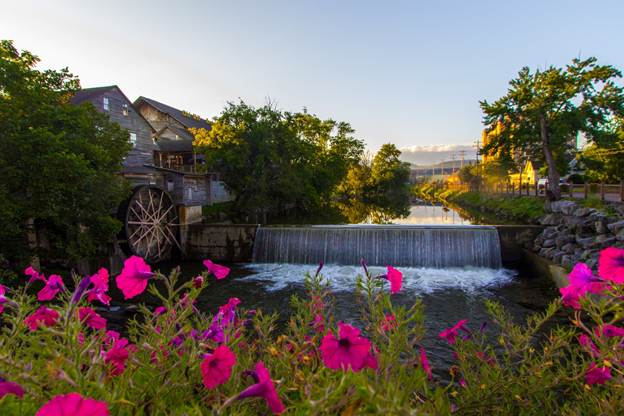
Some places manage to narrow that gap almost naturally. Families who like outdoor activity often talk about destinations like Pigeon Forge, located at the foothills of the Great Smoky Mountains, because the environment pushes everyone outside without forcing it too hard. There are trails, rivers, quiet forests, and busy attractions all sitting within a short drive of each other. The setting makes adventure feel normal instead of scheduled, which probably explains why families who enjoy active trips keep returning.
Why Most Family Adventures Quietly Fail
Planning a family outing often looks easy on paper, but small gaps appear once the day begins. Parents tend to choose activities that seem meaningful or educational, while kids mostly care about whether something feels fun right now. Those priorities do not always line up. A museum might feel valuable to adults, yet kids often see it as another school day. Long scenic drives can feel calm for parents but endless for children watching the clock. Kids usually stay engaged when something keeps moving. Outdoor settings help because the environment changes constantly, which keeps attention from drifting.
Activities That Keep Kids Involved from Start to Finish
The best kind of activities are the ones that require everyone to participate together. Nobody sits on the sidelines watching someone else do the interesting part. The experience unfolds as a shared task rather than a performance. Water-based activities like whitewater rafting on the Pigeon River fit that pattern. Rivers move at their own pace, and navigating them requires cooperation without turning the situation into a strict lesson. Parents and children end up working toward the same simple goal, which keeps the experience balanced.
When families enter an environment shaped by natural movement, attention tends to hold longer. The sound of rushing water, the shifting current, and the occasional splash all create a rhythm that keeps people alert. No one needs to force excitement because the setting provides it naturally.
That is one reason guided river adventures like the one Smoky Mountain Outdoors offers have become a common choice for active families. The raft moves forward, everyone paddles together, and the river supplies the unpredictable moments that keep the experience interesting. Parents often notice that children who normally lose focus during long outings stay engaged the entire time.
Why Shared Challenges Work Better Than Perfect Plans
Parents sometimes spend weeks planning the perfect family outing, which sounds responsible but can backfire. When expectations rise too high, even a small disruption feels like a failure. A missed turn, sudden rain, or a child complaining about the plan can derail the entire mood.
Experiences built around shared challenges behave differently. Small difficulties become part of the story instead of ruining the day. A sudden splash of water, a tricky bend in the river, or even the effort of paddling together often creates moments families remember later.
Children rarely remember flawless schedules. They remember the parts that felt unpredictable. A small challenge, handled together, usually carries more emotional weight than a perfectly smooth itinerary.
There is also something about mild risk, when managed safely, that wakes people up. Children pay closer attention when the environment feels real instead of controlled. Parents often see a shift in behavior during these activities. Kids who normally avoid challenges sometimes lean into them once they realize everyone else is in the same boat, literally and figuratively.
The Quiet Value of Guided Outdoor Experiences
Another detail that makes family adventure trips work is the presence of experienced guides. Parents may not always notice how much structure guides provide behind the scenes. A good guide keeps the pace steady, adjusts instructions for different age groups, and manages safety without making the environment feel restricted. The result is a situation where parents can relax a little instead of constantly directing the activity themselves.
That shift matters more than people expect. When parents stop managing every moment, they start participating alongside their kids. The family dynamic changes slightly. The outing becomes something shared rather than supervised. Children notice that difference quickly.
Why Kids Remember Active Trips Longer
Memory tends to attach itself to sensory experiences. The sound of rushing water, the feel of cool air, the movement of a raft dipping through a wave. These sensations leave stronger impressions than quieter activities that rely mostly on observation.
Family trips built around physical engagement naturally create those sensory moments. Children talk about them later, sometimes weeks afterward, because the experience involved their whole attention.
Interestingly, parents often remember the same moments for different reasons. They notice how their children reacted to unfamiliar situations. They see confidence building in small ways. The memories overlap, but each person carries a slightly different version of the day. That shared memory becomes part of family storytelling.
Planning Less Can Sometimes Work Better
The secret behind family adventures that kids genuinely enjoy is not always found in detailed planning. In many cases, the opposite approach works better. Choose an environment that encourages activity, set a general direction, and allow the day to unfold with a little flexibility.
Parents often worry about losing control of the schedule. Yet children tend to respond better when the outing feels open rather than tightly managed. A river trip, a long trail, or any activity shaped by nature automatically provides enough structure without turning the experience into a checklist. The environment does most of the work.
What Families Actually Take Home
When the day ends, families rarely talk about the logistics. They do not revisit the exact route or the time spent reaching the destination. What stays in conversation are the small moments that happened during the experience itself.
Someone slipped while stepping onto the raft. Someone else paddled too hard and splashed water everywhere. A sudden wave surprised everyone at the same time. These details feel minor in the moment but become the story people retell later. Children measure trips differently than adults. They judge the day based on how alive it felt. And when a family outing manages to create that feeling, the memory tends to stick around long after the car ride home.