
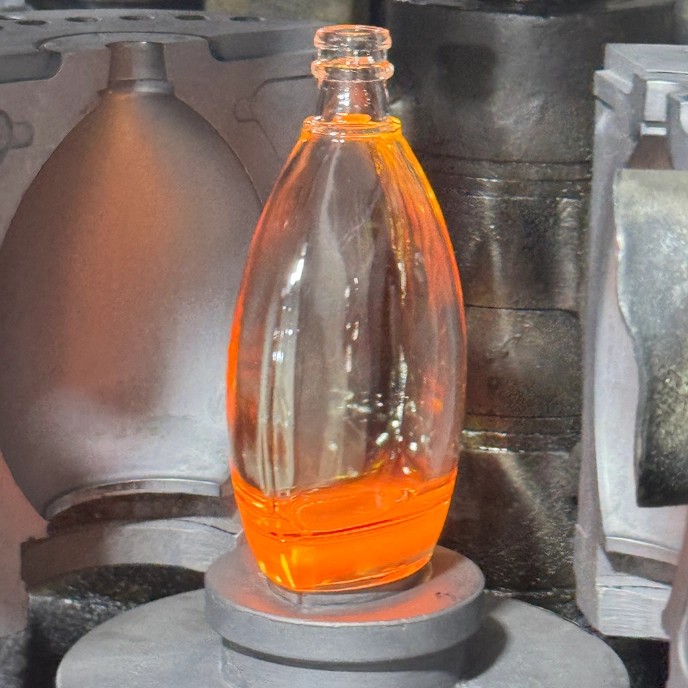
The U.S. beverage industry is a critical area in transitioning to a sustainable system. The beverage industry in the U.S. is a key part of moving to a more sustainable system. More than just a way to contain a product, packaging is now part of consumers’ decision-making process for purchasing drinks and beverage brands. Glass bottles provide a number of benefits to any eco-friendly company. They can be recycled, reused, and are acceptable for most beverages. Sustainable packaging is not only about implementing the use of recyclable materials.
Why Sustainable Glass Packaging is on the Rise.
Across the whole beverage industry, glass packaging is still in vogue. It helps to preserve the quality of the product without contributing to flavour or odor. Also, glass gives a high-end look to numerous types of beverages. It is also easily recyclable, making it a desirable option for companies wanting to be “green.”
Glass that has been recycled is very important in glass manufacturing, which is called cullet. The use of ‘cullet’ can help to decrease the virgin raw material requirement. It can also reduce the energy consumption of the furnace under suitable production conditions. These benefits will only be achieved if there is an adequate supply of good cullet, which is produced suitably.
Additionally, consumers equate glass bottles with quality and authenticity of the product.
Glass makers have a crucial role to play in sustainable packaging.
Efficient production processes are one of the ways that glass manufacturers can boost sustainability. There are a number of ways in which furnace energy use can be reduced, such as with modern furnaces, plus increased process control and heat recovery systems. Another avenue for resource efficiency is to try to increase recycled content. These are enhancements that enable manufacturers to control product quality and the environmental effects.
In addition, manufacturers need to eliminate defects and waste produced during the manufacturing process. Quality control ensures consistency, which minimises the number of rejected bottles and material wastage. Another option is lightweight design, which can further reduce the amount of glass required per bottle. Bottles, however, should not be so weak that they fail to remain solid when they are full, in the bottle, and are moved by a person.
Choosing the best supplier, then, is crucial for beverage brands. Manufacturing capacities, quality, and sustainability practices should be examined. Specifications explain and simplify packaging requirements, ensuring it achieves operational, as well as environmental, goals.
The role Custom Bottle Manufacturing can play in supporting sustainability.
Beverage companies can use Custom Bottle Manufacturing to design packaging to meet their needs. Optimization of the shape, size, and wall thickness of the bottles is possible. Such decisions might be able to minimize the quantity of material used without any attenuation to the performance. Custom designs can also enhance transport and storage efficiency.
But there is a need for planning before going into customisation. Special moulds will be required for developing complex shapes, and additional time may be required. Lightness is not the only thing that needs to be tested about lightweight bottles: strength and durability are equally important. These factors should be considered by manufacturers before they approve the final design.
Developing a brand should take into account the whole bottle chain. Some distribution processes could be suitable for reusable packaging. In other circumstances, single-use bottles might be more effective. The best approach is also influenced by recycling access and consumer behaviour. It is difficult to tell which is the most sustainable one, as it would depend on the product and supply chain.
The difference between Super Flint and High Flint Glass
The properties of glass can affect the selection of beverage packaging. Clear and high-quality-looking glass is termed super flint and high flint glass. The definitions might differ by manufacturers. It is thus advisable for the buyer to establish the technical parameters before doing the comparison among the products.
High clarity glass can improve the appearance of any beverage. It enables consumers to view the product without any obstructions. The quality could be useful for high-quality spirits and specialty drinks. But with no clarity comes sustainability.
Other factors affecting the environment are the weight of the bottle and the energy used to make the bottle. Other factors that are important to recycled content, transportation, and recycling rates are also under consideration. When attempting to compare the complete specifications, instead of using glass terminology, brands should do their job.
Super Flint vs. High Flint: Which Is Better?
The comparison of Super Flint vs. High Flint will be a significant one for brands with an emphasis on the cosmetic appearance of bottles. Either can provide a great appearance and clarity. Their specific properties, however, will vary with the manufacturers’ formulation and standards.
It is recommended that sellers ask for samples and technical data sheets. Benchmark for colour, clarity, density, and sterilization strength, and for compatibility with closures. The final choice should be based on production requirements, too. Repellent, eye-catching bottles must work the correct way when being filled and transported.
Appearance should not be the only gauge for sustainability goals. Inquire about suppliers for recycled content and efficiency in manufacturing. Check if lightweight versions can deliver performance at an acceptable level. This will help to make the right packaging choices.
Practical Steps towards more Sustainable Packaging for Beverages.
There are a few easy steps that beverage companies can take towards sustainability. Weight assessments on bottles and opportunities for lightweighting should be undertaken. Then, check what percentage of recycled glass content and energy conservation each supplier has, and determine who is ahead of the curve. Optimize transport networks to minimize unnecessary transport distances. Provide clear packaging information to encourage recycling, when applicable.
In addition to that, companies should assess the packaging performance prior to a change. Waste from damaged bottles adds waste to the product and to the environment. Reliable quality testing can facilitate a balance between sustainability and operations. By performing regular supplier reviews, extra improvement options can be found.
Conclusion
Glass provides great opportunities in the U.S. beverage market to participate in sustainable glass packaging. Waste reduction, lightweighting, and efficient manufacturing can lead to reduced environmental impacts. With Custom bottle development, businesses can optimize the function and visual appeal of their beverages. Technical specifications should also be carefully compared when determining glass types to provide accurate comparisons. Beverage companies can make more responsible packaging decisions by taking into account the beverage packaging life cycle.