
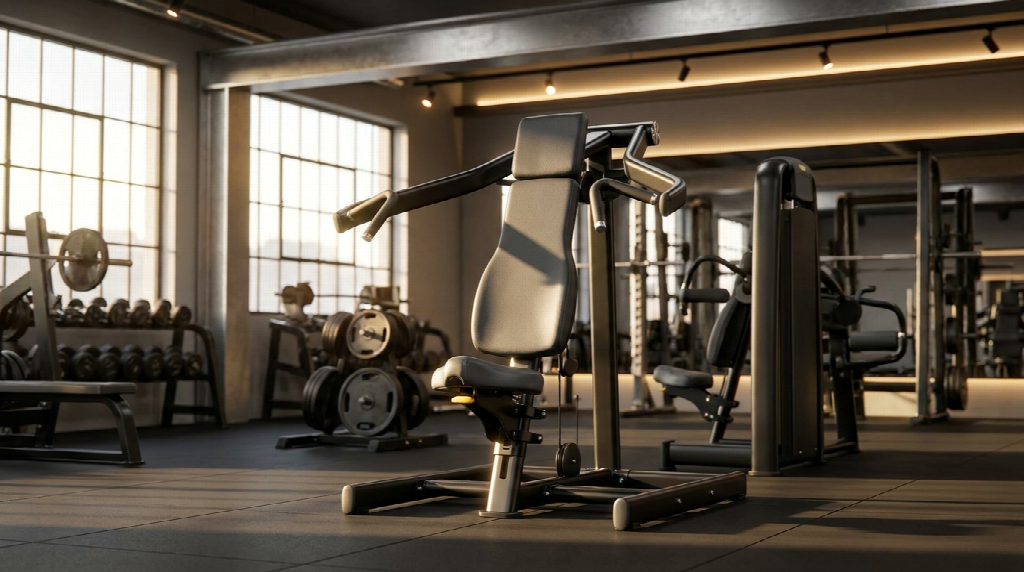
Strong, well-developed shoulders depend on training the lateral deltoids directly, and a dedicated machine makes that work consistent and safe under load. Choosing the right lateral raise machine shapes how your members train, how long the equipment lasts, and how much value you get from the floor space it occupies. This guide covers what the machine does, the main types available, the features that matter most, and the space and budget to plan for.
What Is a Lateral Raise Machine?
A lateral raise machine is a strength training machine that loads shoulder abduction along a guided path, so the lateral deltoid stays under tension through the full range of motion. Instead of balancing free weights, the user pushes against pads or handles that move on a fixed arc. That guided path keeps the target muscle working and reduces the momentum and swinging that often creep into dumbbell raises.
For a floor that sees constant use, the machine has to hold up as well as it performs. Manufacturers like Atlantis Strength build a commercial-grade lateral raise machine engineered for durability and a sound movement path, so the unit keeps delivering clean shoulder isolation season after season. That reliability means less downtime for repairs and a better training experience for every member.
Which Muscles Does a Lateral Raise Machine Target?
The machine isolates the lateral deltoid, the muscle on the side of the shoulder that creates width. Secondary muscles, including the anterior deltoid and the upper trapezius, assist the movement, but the fixed path keeps the emphasis on the side delt. Because resistance stays constant across the arc, the lateral deltoid gets steady stimulus rather than the drop-off in tension common at the top of a free-weight raise.
How Does It Compare to Dumbbell Lateral Raises?
Dumbbell raises build stabilizers and let the user move freely, but they lose tension as the arms near the top and reward cheating with body english. A lateral raise machine holds the path fixed, so the load stays on the delt and form stays clean even when a lifter fatigues. For a commercial gym, the machine also lowers the coaching burden, since members can train the movement correctly with little instruction.
What Types of Lateral Raise Machines Should You Consider?
Lateral raise machines come in a few configurations, and the right one depends on your members, your space, and how you load resistance. The two decisions that matter most are how the weight is applied and whether the user trains seated or standing.
Selectorized vs Plate-Loaded Machines
Selectorized machines use a weight stack and a pin, so members change the load in seconds and keep the session moving. Plate-loaded machines use Olympic plates, which suit stronger lifters, deliver a different feel, and often cost less up front since there is no stack. High-traffic gyms usually favor selectorized units for speed, while strength-focused facilities often prefer plate-loaded for the heavier ceiling.
Seated and Standing Variations
Seated machines brace the torso against a pad, which removes lower-body involvement and locks the user into a consistent position. Standing machines let the user load through a more natural posture and can accommodate taller lifters. Choose seated units when strict isolation matters, and standing units when you want a pattern closer to an athletic position.
What Features Matter Most When Choosing a Lateral Raise Machine?
Once you know the type, the build and ergonomics separate a machine that lasts a decade from one that wears out. Focus on durability, biomechanics, and adjustability in that order.
Why Durability Should Come First
In a commercial setting, the frame and moving parts absorb heavy daily use, so build quality is the first thing to check. Look for a heavy-gauge steel frame, quality bearings or bushings at the pivot, and upholstery rated for constant contact. Commercial-grade machines built from heavy steel survive years of traffic, which keeps replacement costs down over the life of the equipment.
How Biomechanics and Movement Path Affect Results
The movement path determines whether resistance matches the strength curve of the shoulder. A well-designed arc keeps tension on the lateral deltoid without straining the joint, while a poor path forces awkward angles that limit load and invite discomfort. Check that the pivot aligns with the shoulder and that the pads contact the arm where force transfers cleanly.
Adjustability and User Fit
A machine serves more members when it fits a wide range of body sizes. Adjustable seats, pad positions, and starting resistance let smaller and larger users both train in a sound position. Simple, clearly marked adjustments also speed transitions between members, which matters during peak hours.
How Much Space and Budget Should You Plan For?
Planning for footprint and cost before you buy prevents layout headaches and keeps the purchase aligned with your goals.
How Much Floor Space Does a Lateral Raise Machine Need?
A single lateral raise machine typically needs a compact footprint plus clearance for the user to enter, exit, and move the arms freely. Leave room on each side for the arms to travel and a clear path behind the unit for circulation. Cluster it with other shoulder and upper-body isolation machines to create an efficient training zone.
Setting a Realistic Budget
Price depends on construction, loading type, and brand. Plate-loaded units often carry a lower sticker price, while premium selectorized machines cost more but add convenience and a weight stack. Weigh the up-front number against durability and warranty, since a machine that lasts far longer usually wins on cost per year.
Key Takeaways for Choosing the Right Lateral Raise Machine
The right lateral raise machine matches your members and your space while holding up to daily use. Decide between selectorized and plate-loaded loading, pick seated or standing based on how strict you want the isolation, and prioritize durability and sound biomechanics over the lowest price. Chosen on those terms, the machine trains the lateral deltoid effectively and keeps earning its place on the floor for years.
Frequently Asked Questions About Lateral Raise Machines
Is a Lateral Raise Machine Worth It for a Commercial Gym?
Yes. It delivers consistent shoulder isolation with minimal coaching, holds form under fatigue, and gives members a reliable way to train the side delts, which makes it a strong addition to any commercial strength floor.
Can Beginners Use a Lateral Raise Machine?
Beginners benefit from the guided path, since it teaches the movement without the balance demands of dumbbells. Starting with a light load and adjusting the seat for a comfortable range lets new lifters build the lateral deltoid safely.
How Do You Maintain a Lateral Raise Machine?
Wipe down upholstery daily, inspect cables, bearings, and bolts on a regular schedule, and keep pivot points clean. Routine checks catch wear early and keep the machine running smoothly through heavy use.