
Weight loss drugs save Americans dollars and pounds
By Kenneth E. Thorpe
Each new year, millions of Americans resolve to lose weight. But the overwhelming majority of them will fail — and not due to a lack of willpower.
The World Health Organization has aptly likened obesity to a “slow-motion disaster,” one that affects people of all ages and ethnicities. More than 70% of Americans have obesity or are overweight. Among white Americans, 41% have obesity, a figure that rises to over 45% for Hispanics and nearly 50% for Blacks. Obesity is also becoming more prevalent among the young, affecting nearly 20% of children — who are far more likely to have obesity as adults.
Fortunately, we now have evidence-based medical interventions that can enable those with obesity to lose weight and improve their overall health.
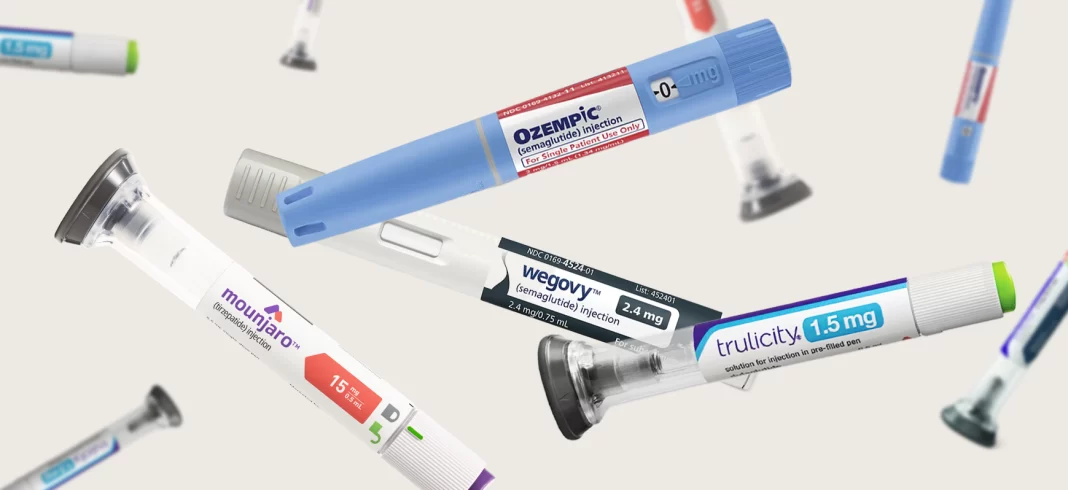
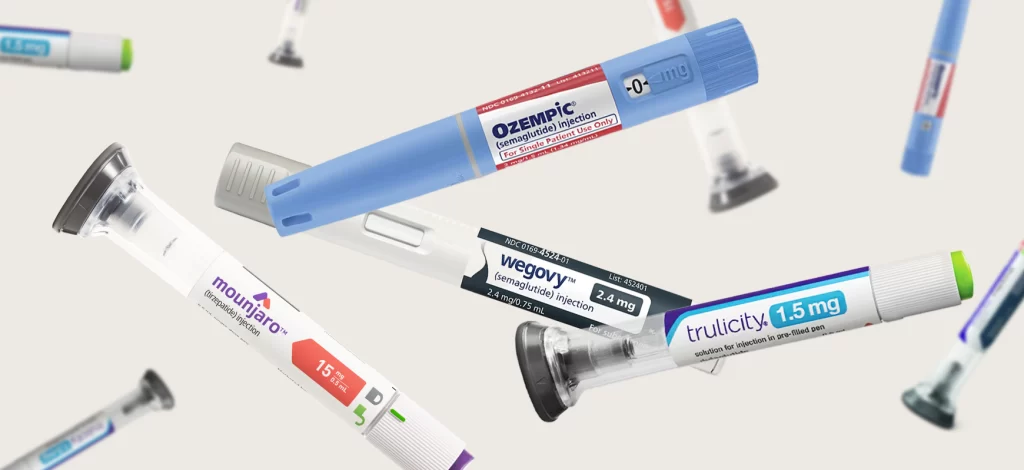
And for the first time, we have FDA-approved medications, known as GLP-1 agonists, that help people lose excess weight and reduce the risk for other conditions associated with obesity.
In clinical trials of various GLP-1 drugs, patients lost anywhere between 10% to 22% of their body weight on average in their first year. Combined with policies that promote healthier living, these anti-obesity medicines could help solve the obesity epidemic — but only if people can get coverage and access to them when prescribed.
Our failure to effectively treat obesity has had a wide range of negative ramifications. Obesity is now the second leading cause of preventable death in the United States and is associated with 236 different comorbidities, including diabetes, heart disease, and many cancers. It’s also a key driver of soaring U.S. healthcare costs, with the annual total estimated at $173 billion.
All Americans bear the excess costs associated with our high obesity rate. Combined, Medicare and Medicaid spend roughly $93 billion each year on obesity-related medical claims. According to the Milken Institute, the economic impact of obesity in the United States exceeds a staggering $1.4 trillion each year. Obesity even affects U.S. military readiness; its incidence among active-duty service members has more than doubled over the past 10 years.
New drugs aimed at treating obesity can be a powerful tool in this fight. But that’s only if they become more widely covered by insurance. Currently, most private insurers cover the drugs only if they are prescribed for diabetes. The Centers for Medicare & Medicaid Services (CMS), relying on an antiquated interpretation of a federal statute banning coverage of drugs used for weight loss or weight gain, doesn’t cover them at all. However, by recognizing obesity as a chronic illness, the Medicare program has the ability to alter this interpretation and cover anti-obesity medicines.
CMS can help millions of Americans make good on their New Year’s resolutions by establishing coverage for anti-obesity medicines without delay. Congress and the Biden administration should further support programs and policies that better address obesity as a chronic disease and prevent the related complications that accompany it. Rather than setting Americans up for more failure, we can empower them to lose weight and improve their overall health.
Kenneth E. Thorpe is chair of the Department of Health Policy and Management at the Rollins School of Public Health, Emory University. He is also chairman of the Partnership to Fight Chronic Disease. This piece originally ran in Medical Economics.