
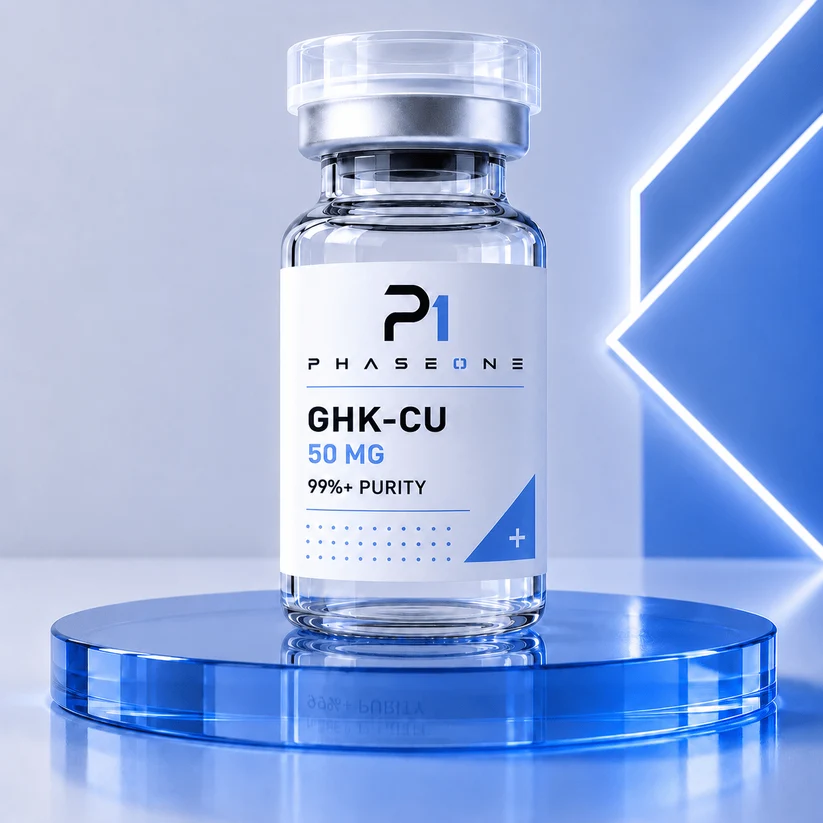
| Quick answer: Research shows that this copper peptide helps cut down extra buildup outside cells. It works by lowering signals that tell the body to make more scar tissue. At the same time, it helps boost certain enzymes that break down messy collagen lumps. |
The Biological Mechanisms of Tissue Repair and Scarring
Fibrosis starts when your body wants to fix a hurt part by making too much tough stuff outside the cell. When things go right, some cells go to the spot that got hurt. These cells put in collagen. Collagen helps keep the tissue together. But if your body keeps getting signs that something is not right, this can get in the way of normal healing. Too much collagen builds up. The fibers do not line up well in the tissue. The scar will feel hard.
Laboratory models look at how tissue is built. They also see how signaling molecules change repair. Out of these molecules, ghkcu is now studied the most for skin and organ fibrosis. This happens because ghkcu can change how cells act when the body tries to fix tissue.
Modulating Pro-Fibrotic Growth Factors
One main reason for bad scar build-up is a signal known as Transforming Growth Factor-Beta (TGF-β). This is an important messenger in the body. It tells special cells called fibroblasts to make more collagen again and again. If there is too much TGF-β in the tissue for a long time, skin can lose its stretch. It may feel hard and form thick, tight scars.
- Cytokine Handling: Test methods show that using the tripeptide mix can lower high TGF-β1 mRNA levels.
- Gene Response Change: By adjusting local gene activity, studies show a move away from long-lasting swelling toward better healing that the body can handle.
- Cell Response: Fibroblast groups that got treatment show less change into myofibroblasts, the main cells that lead to tissue tightening and too much build-up outside of cells.
Balancing Matrix Metalloproteinases and Collagen Synthesis
The potential for scarring is minimized by having a good balance between protein synthesis and its removal. For the removal of damaged protein, the skin uses enzymes called matrix metalloproteinases (MMPs). These are regulated by tissue inhibitors of metalloproteinases (TIMPs), which prevent the breakdown of excessive amounts of protein.
In fibrotic diseases, TIMPs inhibit MMPs, and thus the amount of older and abnormal collagen rises in the tissue. Copper peptide has been found to reverse the process. It enhances the activity of MMPs, mainly MMP-1 and MMP-2. This provides an option for the gradual reduction of scar tissue in experimental models without compromising tissue integrity.
Insights from Pulmonary and Dermal Fibrosis Models
Research is not only about fixing the skin. Experts also look at damage and scarring inside other parts of the body, like the lungs. Some things, such as bleomycin, can hurt lung tissue. This can lead to scarring, which people call fibrosis.
| Model Type | Primary Pathological Marker | Observed Experimental Effect |
| Dermal Keloid Fibroblasts | Excess TGF-β1, overproduction of Type I Collagen | Lowered TGF-β1 mRNA, normalized collagen ratios |
| Bleomycin-Induced Pulmonary | Interstitial thickening, collagen accumulation | Reduced lung tissue inflammation, decreased total collagen |
| Impaired/Diabetic Wound | Delayed remodeling, weak matrix structure | Accelerated re-epithelialization, organized alignment |
When you test ghkcu in these cell models, you see it moves collagen fibers into lines. These lines look much more like healthy tissue. You do not see the criss-cross and stiff fibers that often show up in scars.
Frequently Asked Questions
How does this peptide differ from standard scar treatments?
Unlike silicone gels that mostly keep in water, this peptide acts in another way. It joins with cell receptors. This changes how growth factors signal and how genes work for fixing and growing tissues.
Can it degrade pre-existing scar tissue in models?
It helps your body make more enzymes that break down collagen. But studies show that the biggest effects happen when a wound is still healing and changing. It does not work as well on old or mature keloids.
What role does the copper ion play in its anti-fibrotic activity?
The copper ion in the receptor is needed for it to work the right way. It also helps switch on some enzymes. Tripeptides that do not have copper are not as good when tested for fighting fibrosis. These do not work as well as the ones with copper.
Conclusion
Knowing how the body’s signaling molecules change what is made outside the cells is very important in healing science. At the same time, it’s good to stop too many swelling signals and help break down strange collagen build-up. Research models still show how anti-fibrotic peptide pathways can help with treatment.