
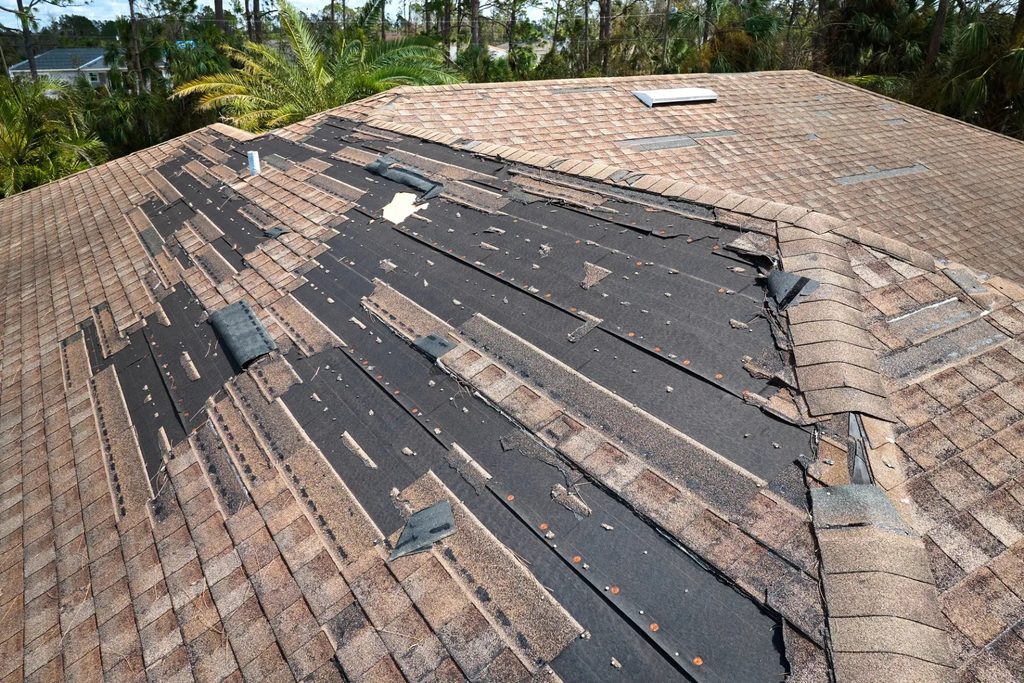
When a windstorm tears through the South Sound or an atmospheric river parks itself over Pierce County for a week, your roof takes the brunt of it. Missing shingles, dented flashing, and slow leaks can turn a manageable repair into an expensive problem if they go unaddressed. The good news is that most homeowners insurance policies cover sudden storm damage. The catch is that your claim is only as strong as the evidence behind it.
Insurance adjusters see hundreds of claims a season, and they rely heavily on documentation to decide what gets approved and what gets paid. Homeowners who arrive with clear photos, dated records, and a solid timeline tend to see faster approvals and fairer settlements. Those who don’t often face delays, lowball offers, or outright denials.
Whether you are dealing with a few lifted shingles or a full tear-off, this guide walks you through exactly what to document before you file. If you need roof storm damage repair in Tacoma, WA, getting this groundwork right will make every step that follows easier.
Why Documentation Makes or Breaks Your Claim
An insurance claim is essentially an argument. You are asserting that a specific storm on a specific date caused specific damage to your roof, and that the damage is covered under your policy. The adjuster’s job is to verify that argument, and documentation is your proof.
Most standard homeowners policies cover sudden and accidental damage but exclude wear and tear, neglect, and gradual deterioration. That distinction matters enormously for roofs. In the Pacific Northwest, where moss growth and constant moisture are facts of life, insurers are quick to question whether damage was really caused by a storm or simply by age. Good documentation helps you draw a clear line between the two.
Strong records help you:
- Prove the damage happened during a covered event rather than over time
- Establish the condition of your roof before the storm
- Show the full extent of damage, including interior effects
- Justify the cost of repairs or replacement
- Demonstrate that you took reasonable steps to prevent further damage
Many policies also include a duty to mitigate, meaning you are expected to protect your property from additional harm after a storm. Documentation shows you met that obligation.
Safety First: Document Without Climbing
Before you grab your phone and a ladder, pause. Wet, storm-damaged roofs are dangerous, and no insurance claim is worth a fall. You can gather excellent documentation without ever stepping onto the roof.
Keep these precautions in mind:
- Stay off the roof entirely if it is wet, icy, steep, or visibly compromised
- Watch for downed power lines and assume any fallen line is live
- Avoid standing under sagging gutters, cracked branches, or loose debris
- Use binoculars or your phone’s zoom from the ground or a safe window
- Consider a drone if you own one and local rules allow it
- Let a licensed roofing contractor handle any close-up inspection
If there is structural damage, such as a tree through the roof or a sagging ceiling, leave the area and call for help before documenting anything.
Exterior Damage: What to Photograph and Record
Start outside, ideally as soon as it is safe after the storm passes. Take both wide shots that show the whole roof and its surroundings and close-ups that capture specific damage. Wide shots give context, and close-ups give proof.
The Roof Surface
Walk the perimeter of your home and photograph each roof plane from multiple angles. Look for:
- Missing, torn, or curled shingles
- Shingles that are lifted or creased from wind, often visible as a horizontal line across the tab
- Granule loss that exposes the dark mat underneath
- Cracked, slipped, or broken tiles or shakes
- Exposed underlayment or bare decking
- Punctures or impact marks from branches or debris
- Areas where moss or debris was stripped away, revealing fresh damage
Flashing, Vents, and Penetrations
Metal components often show storm damage more clearly than shingles do. Photograph:
- Bent, loose, or separated flashing around chimneys, skylights, and walls
- Dented or dislodged roof vents and pipe boots
- Damaged ridge caps along the peak
- Cracked or displaced skylight seals
Gutters, Downspouts, and Fascia
Gutters are among the first things to fail in heavy wind and rain. Record any sagging sections, gutters pulled away from the fascia, dents, detached downspouts, and water staining or rot on fascia boards.
Debris and Surrounding Property
The yard tells part of the story. Photograph shingles or roofing pieces on the ground, fallen limbs, and any tree that struck the house. If neighbors’ homes show similar damage, note it, since widespread damage on your street supports the case that a storm was the cause. Also capture damage to siding, windows, fences, sheds, or vehicles, because these often fall under the same claim.
Photo Tips That Help Adjusters
- Turn on timestamps or confirm your phone saves date and location data
- Place a coin, tape measure, or ruler next to damage for scale
- Shoot a short walkaround video narrating what you see
- Photograph every elevation of the house, even areas that look fine
- Back up your files to the cloud the same day
Interior Damage: Follow the Water
Roof damage rarely stays on the roof. Water finds its way inside, and interior evidence often proves that a breach is real and recent. Check every level of the home, starting at the top.
Document the following:
- Attic: Wet or stained decking, damp insulation, daylight showing through boards, and active drips
- Ceilings: Water stains, bubbling or peeling paint, sagging drywall, and new cracks
- Walls: Streaks running down from the ceiling line, warped trim, and peeling wallpaper
- Floors: Puddles, warped hardwood, and soaked carpet or padding
- Personal property: Furniture, electronics, rugs, and stored items affected by water
Photograph stains with a measuring tape for size, and take follow-up photos over several days if a stain is growing. Growth over time is strong evidence of an active leak tied to the storm. If you own a moisture meter, photograph its readings as well.
Record the Storm Itself
Your adjuster will want to connect your damage to a specific weather event. The more precisely you can pin down when and how the storm hit, the harder it is to argue the damage came from something else.
Build a simple storm record that includes:
- The date and approximate time the storm arrived and ended
- The type of event, such as high winds, heavy rain, hail, snow load, or a falling tree
- Peak wind speeds and rainfall totals from the National Weather Service or a local news report
- Screenshots of any weather alerts or advisories issued for Pierce County
- When you first noticed the damage and what you observed
Keep a running written log as well. Note every phone call with your insurer, every contractor visit, and every new problem you discover, along with dates and names. A detailed timeline keeps your story consistent and protects you if questions arise months later.
Gather Your Home and Policy Records
One of the most common reasons roof claims get reduced is an insurer’s claim that the roof was already in poor condition. Pre-storm records are your best defense.
Pull together:
- Your insurance policy: Review your coverage, deductible, and whether your roof is covered at replacement cost or actual cash value
- Roof age and installation records: Original invoices, permits, and the installer’s name
- Warranties: Both manufacturer and workmanship warranties
- Maintenance history: Receipts for inspections, moss treatments, gutter cleaning, and past repairs
- Before photos: Real estate listing photos, home inspection reports, or old family pictures that show the roof in good shape
If you do not have before photos, check online listing archives or ask whoever did your last inspection. Even a single dated image can make a difference.
Document Temporary Repairs and Mitigation
You should take reasonable steps to prevent further damage, but do it in a way that preserves evidence. Always photograph damage before you cover or move anything.
Common mitigation steps include tarping exposed areas, placing buckets under leaks, moving belongings out of harm’s way, and running fans or dehumidifiers to dry wet spaces. For each step:
- Take before and after photos
- Save receipts for tarps, materials, equipment rentals, and labor
- Keep any damaged materials you remove, such as torn shingles, until the adjuster has seen them
- Get a written invoice from any contractor who performs emergency work
Avoid making permanent repairs before the adjuster inspects. Replacing a section of roof too early can leave you unable to prove what was damaged, and your insurer may decline to reimburse the work.
Common Documentation Mistakes to Avoid
Even careful homeowners slip up. Watch out for these frequent errors:
- Waiting too long: Many policies set deadlines for reporting damage, and delays make it easier to blame other causes
- Photographing only the worst spots: Adjusters need the full picture, including minor damage and undamaged areas
- Cleaning up first: Clearing debris or tossing damaged materials before photographing them erases evidence
- Relying on memory: Write details down while they are fresh instead of reconstructing them later
- Skipping a professional inspection: Hidden damage such as cracked decking or broken seals is easy to miss from the ground
- Signing with an unverified contractor: Storm chasers often arrive after major weather, so check licensing and local references before signing anything
Frequently Asked Questions
How soon should I file a roof claim after a storm?
As soon as possible. Most insurers expect prompt notice, and some policies set firm deadlines. Report the damage within days, even if you are still gathering documentation.
Do I need a contractor’s inspection before filing?
It is not required, but it is highly recommended. A licensed roofer can spot hidden damage and provide a written report that supports your claim.
Should I make repairs before the adjuster arrives?
Only temporary ones, like tarping or stopping an active leak. Hold off on permanent repairs until the adjuster has inspected the damage.
What if my roof was already old before the storm?
An older roof can still qualify for a claim if the storm caused new damage. Maintenance records and before photos help prove the damage was sudden rather than gradual.
Will filing a claim raise my insurance premium?
It can, depending on your insurer and claim history. Weather-related claims are often treated differently than other claim types, so ask your agent.
What should I do if my claim is denied or underpaid?
Request the decision in writing, review your policy, and submit additional documentation. You can also request a re-inspection or hire a public adjuster.
Can my roofer meet with the insurance adjuster?
Yes. Having your roofer present during the inspection helps ensure all damage is identified and accurately described.
Next Steps for Roof Storm Damage Repair in Tacoma, WA
Filing a roof claim does not have to be overwhelming. When you document the exterior and interior damage, record the storm details, gather your home records, and track every repair and conversation, you hand your adjuster a clear and convincing case. That preparation often means faster approvals, fewer disputes, and a settlement that actually covers the work your home needs.
Before you file, run through this quick checklist:
- Wide and close-up photos of every roof plane, gutter, and vent
- Interior photos of attic, ceiling, wall, and floor damage
- A dated storm record with weather reports and alerts
- Your policy, roof records, warranties, and before photos
- Receipts and photos for all temporary repairs
- A written log of every call, visit, and discovery
The final piece is a trusted local partner. A reputable contractor who specializes in roof storm damage repair in Tacoma, WA, can inspect your roof safely, identify damage you might miss, provide detailed written estimates, and meet with your adjuster on your behalf. Reach out to a licensed local roofer as soon as the weather clears, and take the first step toward protecting your home before the next storm rolls in.